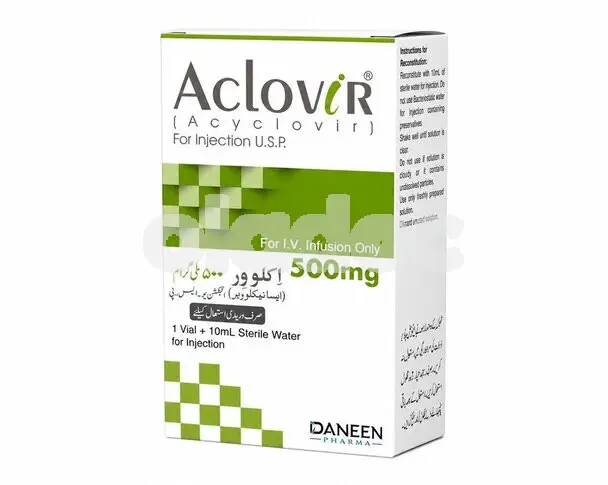
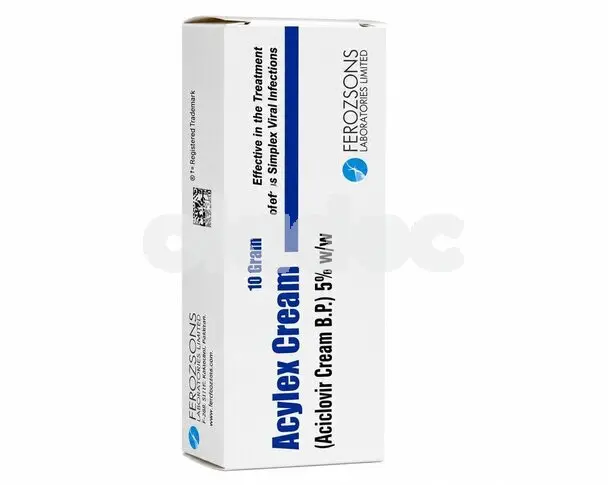
About Acyclovir Vial 500mg
Acyclovir Vial is an intravenous antiviral injection used to treat severe herpes and varicella-zoster infections.
Acyclovir Vial 500mg Uses
- Treats herpes simplex encephalitis, a life-threatening viral infection of the brain caused by herpes simplex virus.
- Used for severe mucocutaneous herpes simplex infections, particularly in immunocompromised patients.
- Manages neonatal herpes simplex infections, which can be life-threatening in newborns.
- Treats severe varicella-zoster (chickenpox and shingles) infections in immunocompromised or hospitalized patients.
- Used prophylactically in bone marrow transplant recipients to prevent herpes virus reactivation.
Acyclovir Vial 500mg Benefits
- Delivers acyclovir intravenously, achieving systemic concentrations not attainable with oral formulations for severe infections.
- Selective antiviral action targets infected cells without significant toxicity to healthy surrounding tissue.
- Proven in clinical trials to reduce mortality and neurological damage in herpes encephalitis when started promptly.
- Effective against herpes simplex types 1 and 2 as well as varicella-zoster virus.
- Available as a lyophilized powder for reconstitution, ensuring stability until ready for administration.
What Experts Say
Infectious disease specialists regard IV acyclovir as the definitive treatment for life-threatening herpes simplex infections, particularly herpes encephalitis, where prompt initiation is directly linked to neurological outcomes. Acyclovir selectively inhibits viral DNA polymerase in infected cells, limiting antiviral activity to cells containing the herpes-specific thymidine kinase enzyme.
The parenteral route is reserved for patients who cannot tolerate oral antiviral therapy or for whom the severity of infection demands systemic concentrations that oral bioavailability cannot achieve. Clinicians infuse IV acyclovir over one hour to minimize the risk of renal tubular crystallization, a known complication of rapid infusion or inadequate patient hydration.
Clinical guidelines recommend maintaining adequate hydration throughout IV acyclovir treatment to protect renal function, as the drug and its metabolites are renally cleared. Dose adjustments are required in patients with compromised kidney function to prevent accumulation and the risk of neurotoxic adverse effects.
Drug Class
- Synthetic nucleoside antiviral
Acyclovir Vial 500mg Uses in Urdu
Acyclovir Vial ایک وریدی اینٹی وائرل انجیکشن ہے جو شدید ہرپس وائرل انفیکشن کے علاج کے لیے ہسپتال میں استعمال ہوتا ہے۔
- ہرپس انسیفلائٹس (دماغی وائرل انفیکشن) کا علاج کرتا ہے
- شدید ہرپس سمپلیکس انفیکشن کو کنٹرول کرتا ہے
- چکن پاکس اور شنگلز کی پیچیدگیوں کا علاج کرتا ہے
Acyclovir Vial 500mg formula
How to use Acyclovir Vial 500mg?
- Acyclovir Vial 500mg is for intravenous administration only and must be reconstituted and diluted by a trained healthcare professional before infusion.
- Reconstitute the 500mg vial with 10ml of sterile water for injection to give a 50mg/ml solution, then dilute further to a concentration of 7mg/ml or less before IV infusion.
- Administer by slow intravenous infusion over a minimum of one hour. Rapid infusion increases the risk of renal toxicity and phlebitis at the injection site.
- Maintain adequate hydration throughout treatment to reduce the risk of renal tubular crystallization. Patients should receive 2 to 3 liters of fluids per day unless medically restricted.
- Duration of treatment is determined by the physician based on infection type and severity, typically 5 to 10 days for most infections and at least 10 days for herpes encephalitis.
Drug Interactions
Acyclovir Vial 500mg may interact with other medications. Inform the treating physician of all drugs the patient is currently receiving.
- Probenecid: Reduces renal tubular secretion of acyclovir, significantly increasing plasma acyclovir levels and the risk of toxicity. Concurrent use requires dose adjustment and close monitoring.
- Nephrotoxic drugs (aminoglycosides, cisplatin, amphotericin B): Concurrent use increases the risk of renal tubular damage. Renal function should be monitored closely when these agents are used together.
- Immunosuppressants (ciclosporin, tacrolimus): May increase nephrotoxicity risk. Monitor renal function closely in transplant patients receiving IV acyclovir.
Risks and warnings
- Renal impairment: IV acyclovir can crystallize in the renal tubules, especially with rapid infusion or inadequate hydration. Monitor kidney function regularly during treatment.
- Allergy: Do not use if the patient is allergic to acyclovir, valacyclovir, or any component of the formulation.
- Neurotoxicity: High doses or renal impairment can cause neurological effects including confusion, tremors, or hallucinations. Dose adjustment is required in patients with reduced kidney function.
- Pregnancy: Use only when clearly indicated during pregnancy. Consult a specialist before initiating IV acyclovir in pregnant patients.
- Venous irritation: Ensure adequate dilution before infusion to minimize phlebitis at the injection site. Use a large vein wherever possible.
Acyclovir Vial 500mg Side Effects
Acyclovir Vial 500mg is generally well tolerated at recommended doses when administered correctly and with adequate hydration. Side effects are more likely with high doses or rapid infusion.
- Nausea, vomiting, or abdominal discomfort
- Headache and fatigue during the course of treatment
- Phlebitis or pain at the intravenous infusion site
- Elevated creatinine or reduced urine output, indicating renal stress
The following effects are less common but serious and require immediate clinical attention.
- Acute kidney injury due to tubular crystallization, especially with rapid infusion or dehydration
- Encephalopathic symptoms including confusion, tremors, or agitation at high doses
- Allergic reactions including urticaria, facial swelling, or anaphylaxis — stop infusion immediately and initiate emergency management
Storage Conditions
- Store unopened vials below 25°C in a cool, dry location away from light. Do not refrigerate or freeze the dry powder vial.
- After reconstitution, use within 12 hours if stored at room temperature, or within 24 hours if refrigerated. Do not freeze the reconstituted solution.
- Discard any unused portion of the reconstituted vial immediately after administration — this is a single-use product.
- Prepare the infusion solution only in a clinical setting by trained pharmacy or nursing staff, following standard aseptic technique.
- Keep out of reach of children. Check the expiry date before use and do not use expired vials.