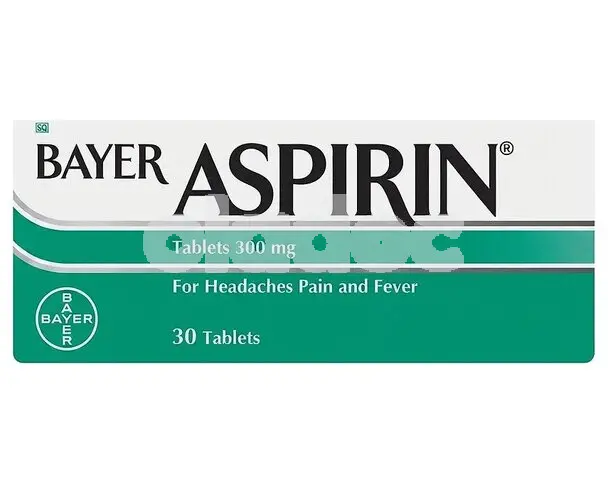
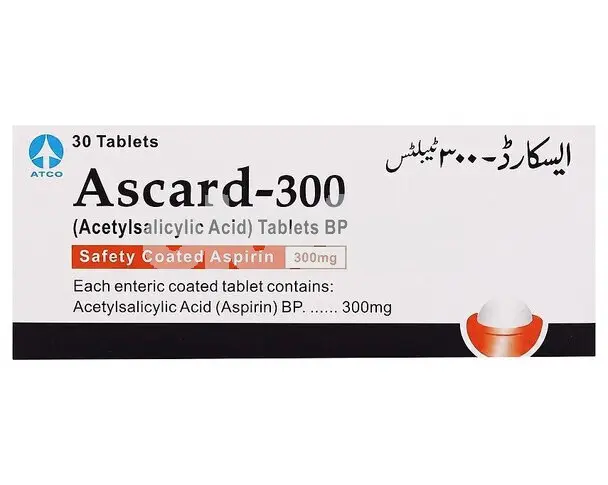
About Aspirin tablet 300mg
Aspirin Tablet 300mg contains acetylsalicylic acid, a salicylate NSAID used for pain and fever relief.
Uses
- Relieves mild to moderate pain such as headache, toothache and muscular aches
- Reduces fever in adults
- Eases joint pain and swelling linked to conditions like rheumatoid arthritis and osteoarthritis
- Helps with period pain and general body aches
- Settles minor aches linked to cold and flu
What Experts Say
Aspirin is one of the oldest and most studied pain relievers available, and doctors still trust it for everyday pain and fever at a standard 300mg dose. Because it works by blocking prostaglandins, the chemicals that trigger pain, fever and swelling, it acts on the root cause rather than just masking discomfort.
Physicians usually advise checking what other medicines a person is already taking before starting aspirin, since it can interact with blood thinners, other pain relievers and some blood pressure medicines. This is why pharmacists in Pakistan often ask about current medications before selling even a common OTC pack. Taking it after food and sticking to the recommended dose keeps the risk of stomach upset and interactions low for most healthy adults.
اسپرین کے استعمالات
- ہلکے سے درمیانے درد میں آرام کے لیے، جیسے سر درد اور دانت کا درد
- بخار کم کرنے کے لیے
- جوڑوں کے درد اور سوجن میں کمی کے لیے، جیسے گٹھیا کے مریضوں میں
- ماہواری کے درد اور جسمانی درد میں آرام کے لیے
- نزلہ زکام سے ہونے والی معمولی تکلیف میں
Aspirin tablet 300mg formula
- Aspirin (Acetylsalicylic Acid)
How to use Aspirin tablet 300mg?
- Take one tablet with a full glass of water
- Take after food to reduce stomach irritation
- Do not exceed 4 tablets (1200mg) in 24 hours unless a doctor advises otherwise
- Leave at least 4 hours between two doses
- Do not use for more than 10 days for pain or 3 days for fever without medical advice
- Swallow the tablet whole, do not crush or chew unless advised
Drug Interactions
- Warfarin: Combining aspirin with warfarin raises the risk of serious internal bleeding
- NSAIDs: Taking aspirin with ibuprofen or other NSAIDs increases stomach bleeding risk and can reduce aspirin's protective effect
- ACE Inhibitors: Aspirin can blunt the blood pressure lowering effect of ACE inhibitors and may affect kidney function together
- Methotrexate: Aspirin can reduce methotrexate clearance from the body and increase its toxicity
- Alcohol: Drinking alcohol while taking aspirin increases the risk of stomach irritation and gastrointestinal bleeding
Risks and warnings
- Reye Syndrome: Never give aspirin to children or teenagers under 16 with fever or a viral illness because of the risk of Reye syndrome, a rare but serious condition affecting the liver and brain
- Stomach Bleeding: Regular or high dose use can irritate the stomach lining and lead to ulcers or gastrointestinal bleeding, especially in older adults
- Bleeding Risk: Aspirin thins the blood and can raise the risk of excess bleeding during surgery, dental work or injury
- Asthma: People with asthma or nasal polyps may notice worsened breathing or an allergic reaction
- Kidney Function: Long term high dose use may affect kidney function, particularly in people with existing kidney disease
- Pregnancy: Avoid in the third trimester of pregnancy unless a doctor advises it because of risks to the baby and delivery
Side Effects
- Stomach upset or indigestion
- Nausea
- Heartburn
- Easy bruising
- Ringing in the ears with high or prolonged doses
- Stomach ulcers or gastrointestinal bleeding with long term use
- Allergic reactions such as rash, swelling or difficulty breathing
- Black or tarry stools, a sign of internal bleeding
Storage Conditions
- Store below 25 degrees Celsius in a cool, dry place
- Keep away from direct sunlight and moisture
- Keep the tablets in their original blister pack until use
- Keep out of reach of children