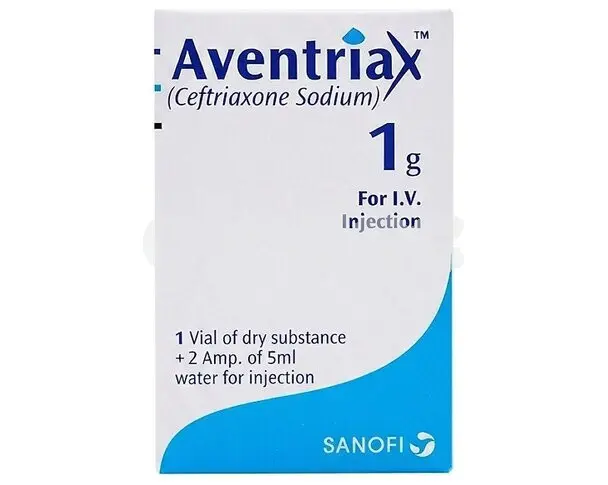
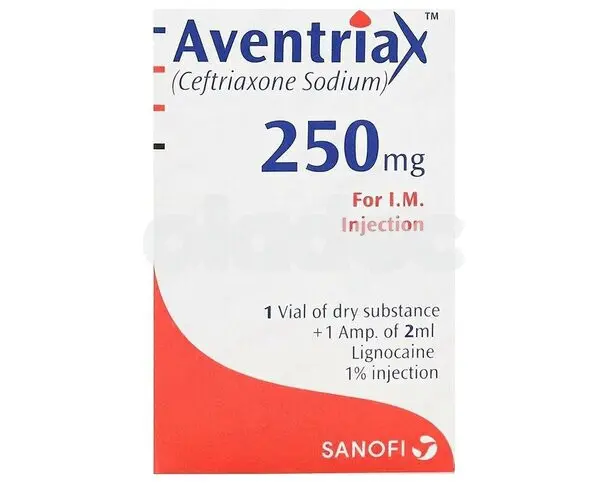
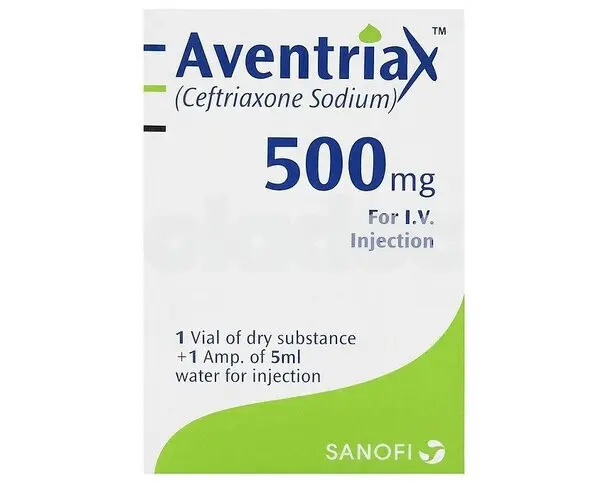
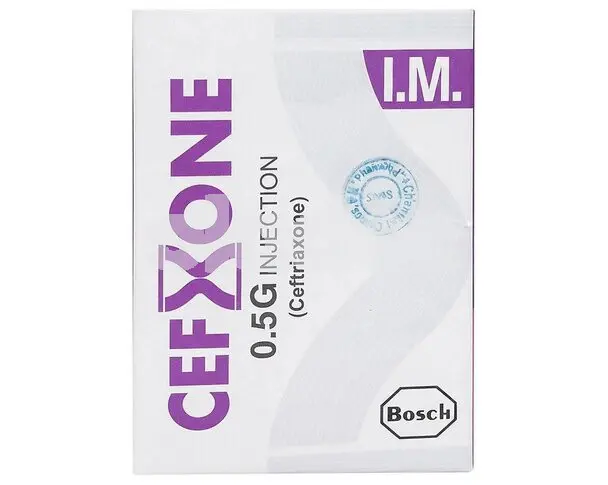
About Aventriax Injection 1gm
Aventriax Injection 1gm contains Ceftriaxone Sodium, used to treat serious bacterial infections in adults and children.
Aventriax Injection 1gm Uses
- Treats severe bacterial infections such as pneumonia and community acquired respiratory infections
- Manages bacterial meningitis and other central nervous system infections
- Treats complicated urinary tract infections
- Manages skin and soft tissue infections caused by susceptible bacteria
- Treats bone and joint infections
- Manages gonorrhea caused by Neisseria gonorrhoeae
- Used for surgical prophylaxis before certain operations
- Treats sepsis and bloodstream infections
Aventriax Injection 1gm Benefits
- Provides broad spectrum coverage against many gram negative and gram positive bacteria
- Once daily dosing improves compliance during hospital and outpatient treatment
- Penetrates the cerebrospinal fluid well, useful for suspected meningitis
- Remains stable against many bacterial enzymes that break down other antibiotics
- Suitable for patients who cannot tolerate oral antibiotics
What Experts Say
Ceftriaxone sodium remains a preferred choice for treating serious bacterial infections that need broad coverage before culture results confirm the exact organism. Its long half life allows once daily dosing, supporting better compliance during hospital and outpatient antibiotic therapy.
The 1gm strength suits adults and older children needing a higher single dose, particularly for community acquired pneumonia, complicated urinary tract infections, and moderate to severe skin infections. Physicians often favor ceftriaxone because it crosses into the cerebrospinal fluid well, making it a practical empirical choice for suspected meningitis.
Doctors weigh the biliary sludging risk in patients with gallbladder disease, and strictly avoid calcium containing intravenous fluids in neonates due to the risk of fatal precipitation in the lungs and kidneys. Renal and hepatic function are monitored during prolonged courses, and treatment is usually reassessed after 48 to 72 hours based on clinical response.
Drug Class
- Third Generation Cephalosporin Antibiotic
Aventriax Injection 1gm Uses in Urdu
- نمونیا اور سانس کی شدید بیکٹیریل انفیکشن کے علاج کے لیے
- دماغ کی جھلیوں کی بیکٹیریل انفیکشن یعنی میننجائٹس کے لیے
- پیشاب کی نالی کی پیچیدہ انفیکشن کے علاج کے لیے
- جلد اور نرم بافتوں کی انفیکشن کے لیے
- ہڈیوں اور جوڑوں کی انفیکشن کے لیے
- سوزاک یعنی گونوریا کے علاج کے لیے
- خون میں پھیلنے والی شدید انفیکشن یعنی سیپسس کے لیے
- بعض آپریشنز سے پہلے انفیکشن کی روک تھام کے لیے
Aventriax Injection 1gm formula
How to use Aventriax Injection 1gm?
- Administered only by a doctor or trained healthcare professional in a clinical setting
- For intramuscular injection, reconstituted with 1% lidocaine hydrochloride injection to reduce pain at the injection site
- For intravenous injection, reconstituted with sterile water for injection or normal saline and given slowly over several minutes
- For intravenous infusion, further diluted in a compatible solution such as normal saline or dextrose and given over 30 minutes
- Never mixed or administered with calcium containing solutions in the same intravenous line
- Dose and duration decided by the treating physician based on the type and severity of infection
Drug Interactions
- Calcium Containing Products: Concurrent use with intravenous calcium solutions can cause dangerous precipitates, especially in newborns
- Anticoagulants: Warfarin and similar blood thinners have an increased bleeding risk when combined with ceftriaxone
- Aminoglycosides: Physical mixing in the same syringe or line is avoided, though combined therapy is sometimes used under supervision for severe infections
- Probenecid: Does not significantly affect ceftriaxone clearance the way it does some other antibiotics, but is still monitored in combined regimens
- Hormonal Contraceptives: Antibiotic therapy may reduce the reliability of oral contraceptives, so backup contraception is advised during treatment
Risks and warnings
- Calcium Precipitation: Ceftriaxone must never be given with calcium containing intravenous solutions in neonates, since fatal precipitates can form in the lungs and kidneys
- Biliary Sludging: Can cause reversible gallbladder sludge or pseudolithiasis, sometimes leading to abdominal pain that resolves after stopping treatment
- Allergy Cross Reactivity: Patients with a severe penicillin allergy have a small but real risk of cross reaction with ceftriaxone
- Clostridioides Difficile Colitis: Can trigger severe diarrhea from bacterial overgrowth in the gut, requiring prompt medical attention if it occurs
- Bleeding Risk: May lower vitamin K dependent clotting factors, so patients on blood thinners need close monitoring
- Kidney And Liver Impairment: Requires cautious use and monitoring in patients with significant kidney or liver disease
Aventriax Injection 1gm Side Effects
- Pain, redness, or swelling at the injection site
- Nausea, vomiting, or diarrhea
- Skin rash or itching
- Headache and dizziness
- Elevated liver enzymes on blood tests
- Thickening of bile leading to gallbladder sludge
- Low white blood cell or platelet counts
- Severe allergic reaction with swelling and difficulty breathing in rare cases
- Severe diarrhea caused by Clostridioides difficile infection in rare cases
Storage Conditions
- Store the unopened vial below 30°C, away from direct sunlight and moisture
- Keep in the original carton until ready for reconstitution
- Use the reconstituted solution promptly, or refrigerate and use within the time stated on the product leaflet
- Do not freeze the reconstituted solution
- Keep out of reach of children
- Discard any unused reconstituted solution after the recommended period