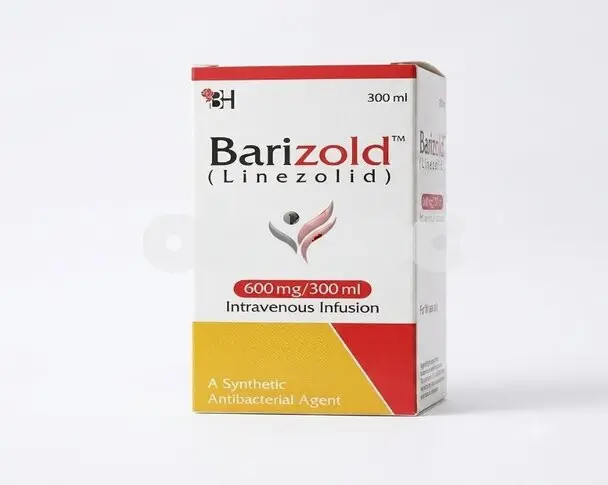
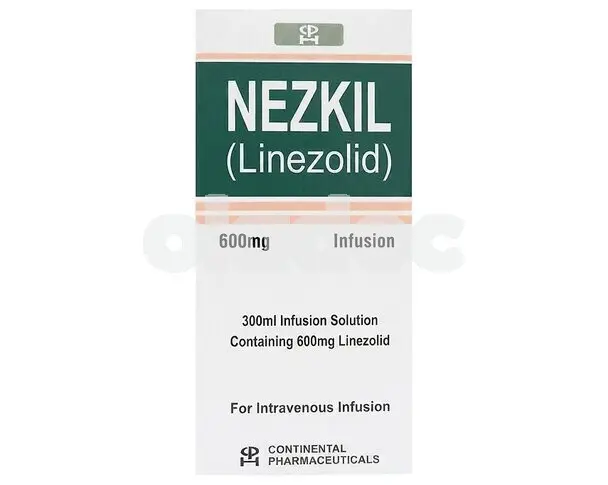
About Barizold Infusion 600mg/300ml
Barizold Infusion is a hospital-administered IV antibiotic used for serious resistant bacterial infections.
Barizold Infusion Uses
- Complicated skin and soft tissue infections caused by MRSA or other resistant Gram-positive bacteria
- Hospital-acquired pneumonia, including ventilator-associated pneumonia
- Community-acquired pneumonia when resistant organisms are suspected
- Vancomycin-resistant Enterococcus (VRE) infections, including bloodstream infections
- Drug-resistant tuberculosis, used as part of a specialist-guided combination regimen
Barizold Infusion Benefits
- Works against Gram-positive bacteria that no longer respond to standard antibiotics
- Reaches infected tissue, lungs, and bloodstream effectively for critical care use
- Suitable for patients who cannot tolerate vancomycin or other first-line options
- No dose adjustment is usually needed for mild to moderate kidney impairment
- Allows doctors to switch between IV and oral therapy within the same treatment plan
What Experts Say
Linezolid resistance is still uncommon in Pakistan, but MRSA and VRE infections are rising steadily across tertiary care hospitals in Lahore, Karachi, Islamabad, and Rawalpindi. Clinicians increasingly rely on this infusion when standard antibiotics like vancomycin fail or cannot be tolerated.
Doctors usually reserve this infusion for ICU patients, post-surgical infections, or ventilator-associated pneumonia where resistant Gram-positive bacteria are suspected or confirmed. Its ability to reach tissue, lung fluid, and bone effectively makes it valuable in critical care settings.
Close monitoring remains essential throughout treatment. Physicians typically order weekly blood counts and review the patient's full medication history for interacting drugs before and during the infusion course, since prolonged use carries real hematologic and neurological risks.
Drug Class
Barizold Infusion Uses in Urdu
بریزولڈ انفیوژن ایک ہسپتال میں دیا جانے والا اینٹی بائیوٹک انفیوژن ہے جو مزاحم بیکٹیریا کے شدید انفیکشنز کے علاج کے لیے استعمال ہوتا ہے۔ یہ صرف ڈاکٹر یا نرس کی نگرانی میں لگایا جاتا ہے۔
- ایم آر ایس اے (MRSA) جلد اور نرم بافتوں کے انفیکشنز
- ہسپتال میں لگنے والا نمونیا اور وینٹی لیٹر سے منسلک نمونیا
- وینکومائسن مزاحم انٹیروکوکس (VRE) انفیکشنز
- خون میں بیکٹیریل انفیکشن جب دوسری اینٹی بائیوٹکس مؤثر نہ ہوں
- مزاحم ٹی بی کے علاج میں معاون تھراپی کے طور پر
Barizold Infusion 600mg/300ml formula
Available forms
- IV Infusion (600mg/300ml)
How to use Barizold Infusion 600mg/300ml?
- Administer only in a hospital or clinical setting under a doctor's or nurse's direct supervision.
- Infuse over 30 to 120 minutes through a dedicated intravenous line.
- Complete the full prescribed course, typically 10 to 14 days depending on the type of infection.
- Avoid connecting this infusion bag in series with other IV medications.
- Flush the IV line before and after this infusion if other drugs share the same line.
- Monitor blood counts weekly during treatment, especially if therapy continues beyond 10 to 14 days.
- Do not exceed 28 days of total treatment duration.
Drug Interactions
This infusion interacts with several common medicines and foods, so doctors review the full medication list before starting treatment. Some combinations can be dangerous and are avoided entirely.
- SSRIs, SNRIs, and other serotonergic drugs (fluoxetine, sertraline, venlafaxine): Combined use raises the risk of serotonin syndrome and is generally avoided.
- MAOIs: This combination is contraindicated. A gap of at least two weeks after stopping an MAOI is required before starting this infusion.
- Tyramine-rich foods (aged cheese, cured or fermented meats, soy sauce, tap beer, red wine): These may trigger sudden blood pressure spikes and should be limited during treatment.
- Sympathomimetic and vasopressor drugs (pseudoephedrine, adrenaline, dopamine): Combined use may cause an exaggerated rise in blood pressure.
- Warfarin and other anticoagulants: This infusion may increase bleeding risk, so INR levels need close monitoring.
Risks and warnings
- Thrombocytopenia and myelosuppression: Regular blood monitoring is needed since this infusion can lower platelet and blood cell counts, especially with prolonged use.
- Serotonin syndrome risk: Combining this infusion with antidepressants or other serotonergic drugs raises the risk of a dangerous serotonin syndrome.
- Duration limits: Treatment beyond 28 days is not recommended since safety data past this period is not established.
- Peripheral and optic neuropathy: Extended use may cause nerve or vision changes, so report blurred vision, numbness, or tingling promptly.
- Lactic acidosis: This is rare but serious, so seek immediate help for unexplained nausea, vomiting, or rapid breathing.
- High blood pressure conditions: Caution is needed in uncontrolled hypertension, pheochromocytoma, or carcinoid syndrome due to weak MAOI-like activity.
- Pregnancy and breastfeeding: Use only when clearly needed and under specialist supervision.
Barizold Infusion Side Effects
Most patients tolerate this infusion well, though some mild reactions can occur during treatment. These effects usually settle once the course is complete.
- Nausea and vomiting
- Diarrhea
- Headache
- Taste changes
- Mild rash or itching at the infusion site
Certain reactions need urgent medical attention since they may point to a serious underlying complication. Hospital staff monitor for these signs throughout the treatment course.
- Unusual bleeding, bruising, or bleeding gums
- Blurred vision or other visual changes
- Numbness, tingling, or weakness in the hands or feet
- Confusion, agitation, or rapid heartbeat suggesting serotonin syndrome
- Severe or watery diarrhea that does not improve
- Unexplained fast breathing, weakness, or repeated vomiting
Storage Conditions
- Store the infusion bag at or below 25°C, away from direct sunlight.
- Keep the bag in its outer wrap until ready for administration.
- Protect the bag from freezing at all times.
- Check the solution before use and discard it if it appears cloudy, discolored, or contains particles.
- Discard any unused portion after opening, and do not reuse a partially used bag.
- Keep out of reach of children and store separately within hospital pharmacy stock.