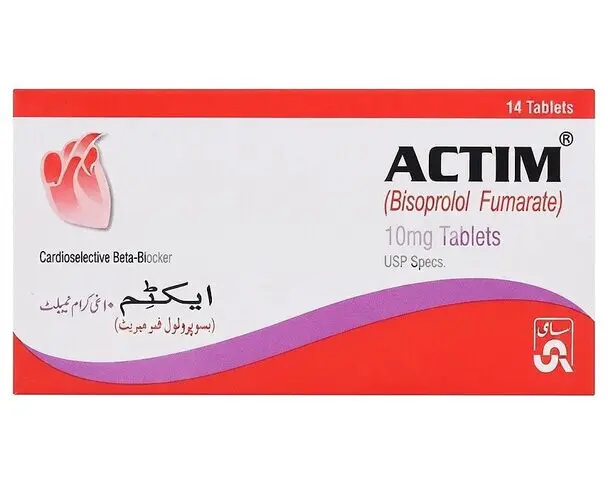
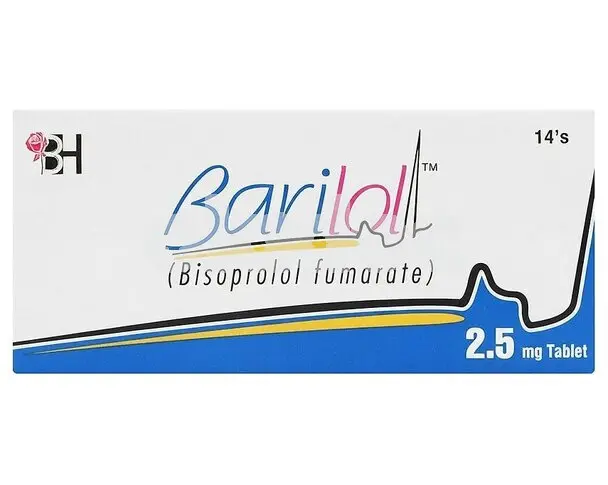
About Biscot Tablet 2.5mg
A cardioselective beta blocker used at a low starting dose to treat high blood pressure and angina.
Drug Class
Biscot Tablet 2.5mg belongs to a drug class called cardioselective beta blockers. Bisoprolol Fumarate targets beta-1 receptors found mainly in the heart, slowing the heart rate and reducing the force of each contraction.
Biscot Tablet 2.5mg Uses in Pakistan
- Treating high blood pressure, often used as a starting dose before any increase
- Reducing chest pain episodes linked to stable angina
- Controlling heart rate in certain irregular heart rhythm conditions, as directed by a cardiologist
- Supporting heart failure management alongside other prescribed medicines, when advised by a specialist
What Experts Say
Doctors often begin bisoprolol treatment at the lowest effective dose, especially in patients who are older, have kidney concerns, or are being started on a beta blocker for the first time. Starting low lets the body adjust gradually to a slower heart rate before any increase is considered.
Cardioselective beta blockers like bisoprolol are valued because they act mainly on the heart rather than the lungs or blood vessels, which lowers the chance of breathing related side effects compared to older, non selective beta blockers. This selectivity makes the medicine easier to tolerate for many patients with high blood pressure or angina.
Clinical guidelines generally recommend that any change in bisoprolol dose happens gradually, whether increasing or stopping the medicine. Sudden discontinuation can trigger a rebound rise in blood pressure or heart rate, so physicians usually taper the dose over one to two weeks and monitor heart rate closely during the process.
Biscot Tablet 2.5mg Uses in Urdu
- ہائی بلڈ پریشر کو کنٹرول کرنے کے لیے استعمال ہوتی ہے
- دل کے درد یعنی انجائنا کی شدت کو کم کرنے میں مدد دیتی ہے
- دل کی دھڑکن کو غیر معمولی طور پر تیز ہونے سے روکنے میں مددگار ہے
- ماہر امراض قلب کے مشورے سے دل کی کمزوری کے علاج میں بھی استعمال ہو سکتی ہے
Biscot Tablet 2.5mg formula
How to use Biscot Tablet 2.5mg?
- Take Biscot at the same time every day, usually in the morning
- Swallow the tablet whole with a glass of water, with or without food
- Avoid stopping this medicine suddenly, even if you feel well
- A missed dose should be taken as soon as remembered, unless it is almost time for the next one
- Never double up on a dose to make up for a missed one
- Check your pulse and blood pressure periodically as advised by your doctor
Drug Interactions
- Verapamil or diltiazem: Both slow the heart further, raising the risk of an abnormally slow heart rate or heart block
- Digoxin: The combination can increase the risk of a very slow heart rhythm
- Clonidine: Stopping both medicines together needs careful tapering to avoid a sharp rise in blood pressure
- Insulin and diabetes tablets: Bisoprolol can mask the early warning signs of low blood sugar
- Other blood pressure medicines: Combining with additional antihypertensives can drop blood pressure too low
- NSAID pain relievers: Ibuprofen and diclofenac can reduce the blood pressure lowering effect
- General anesthetics: Anesthesiologists should be informed before any surgery, since bisoprolol can affect heart rate during the procedure
Risks and warnings
- Asthma or COPD: Even a cardioselective beta blocker can trigger breathing difficulty in some people with airway disease
- Slow heart rate or heart block: This medicine is not suitable for certain conduction abnormalities without specialist supervision
- Decompensated heart failure: Beta blockers should not be started during an acute worsening episode
- Sudden discontinuation: Stopping abruptly can cause a rebound rise in blood pressure, chest pain, or a fast heart rate
- Diabetes: The usual warning signs of low blood sugar may be harder to notice on this medicine
- Kidney or liver disease: Dose adjustment may be needed
- Pregnancy and breastfeeding: Use only if your doctor confirms it is necessary
Biscot Tablet 2.5mg Side Effects
- Fatigue or low energy, especially in the first few weeks
- Dizziness or lightheadedness, particularly when standing up quickly
- Cold hands and feet due to reduced blood flow
- A slower heart rate than usual
- Headache
- Nausea or an upset stomach
- Sleep disturbances or vivid dreams
- Low mood in some patients on long term use
- Shortness of breath in people with underlying airway disease
- A noticeable drop in blood pressure on standing
Storage Conditions
Store below 30°C in a cool, dry place away from direct sunlight and moisture. Keep tablets in the original blister pack until use, out of reach of children.