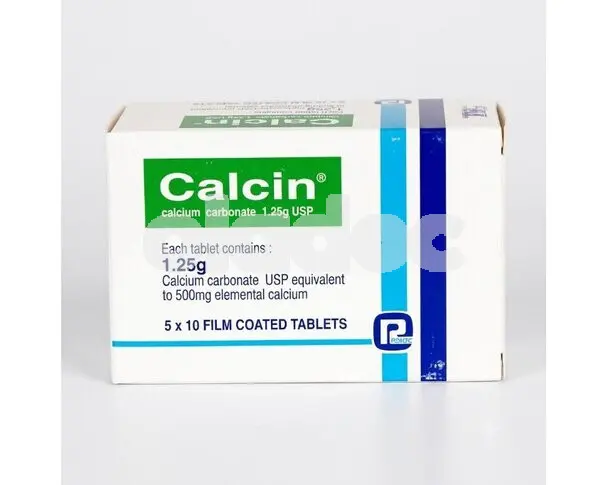
About Calcin Tablet
Calcin Tablet is a calcium carbonate supplement used to prevent and treat calcium deficiency and to support strong bones in adul
Calcin Tablet Uses
- Calcium deficiency in adults with low dietary calcium intake
- Prevention of osteoporosis in postmenopausal women and older adults
- Supplementation during pregnancy and breastfeeding, under medical advice
- Support for bone healing after fractures
- Management of mild hypocalcemia along with other prescribed treatment
- Additional calcium support for people with lactose intolerance who avoid dairy
Calcin Tablet Benefits
- Strengthens bones and helps maintain bone density over time
- Supports healthy teeth and jaw bone structure
- Helps normal muscle contraction and nerve signaling
- Contributes to healthy blood clotting function
- Fills the calcium gap for people who eat little dairy or leafy greens
- Supports skeletal health during growth years and later adulthood
What Experts Say
Doctors across Pakistan report that low dietary calcium intake is common, mainly due to limited dairy consumption and cultural food patterns. Research on postmenopausal women in rural Pakistan has linked poor calcium intake and low vitamin D status directly to weaker bone health.
Endocrinologists and orthopedic specialists frequently see women in their late thirties and forties already showing early signs of low bone density, a pattern echoed nationwide as sedentary lifestyles and low sun exposure add to the risk.
Gynecologists also commonly recommend calcium supplements like Calcin Tablet during pregnancy, since the growing baby draws heavily on the mother's calcium stores.
Drug Class
- Calcium Supplement / Mineral Supplement
Calcin Tablet Uses in Urdu
کیلسن ٹیبلٹ ایک کیلشیم سپلیمنٹ ہے جو جسم میں کیلشیم کی کمی پوری کرنے کے لیے استعمال ہوتی ہے۔ یہ ہڈیوں کی مضبوطی اور مجموعی صحت کے لیے تجویز کی جاتی ہے۔
- کیلشیم کی کمی کا علاج
- ہڈیوں کی کمزوری اور آسٹیوپوروسس سے بچاؤ
- حمل اور دودھ پلانے کے دوران کیلشیم کی ضرورت پوری کرنا
- دانتوں اور جبڑے کی ہڈی کی مضبوطی
- پٹھوں اور اعصاب کے معمول کے کام میں مدد
How to use Calcin Tablet?
- The standard adult dose is one tablet daily, or as directed by the doctor
- Calcin Tablet works best when taken with a meal, since food improves calcium absorption
- A full glass of water should be used to swallow the tablet
- Splitting the daily dose into two smaller doses can improve absorption if more than one tablet is prescribed
- A gap of at least two hours is recommended between this tablet and iron supplements or antibiotics
- Missed doses should simply be skipped rather than doubled up the next time
Drug Interactions
- Tetracycline and quinolone antibiotics: Calcium binds to these drugs and lowers their absorption, so a gap of several hours is needed.
- Levothyroxine (thyroid medication): Calcium reduces its absorption, so the two should be taken at least four hours apart.
- Iron supplements: Calcium can reduce iron absorption when taken together.
- Bisphosphonates for osteoporosis: Absorption drops sharply if taken close to a calcium dose.
- Proton pump inhibitors and antacids: Long-term use of these can change how well calcium carbonate is absorbed.
Risks and warnings
- Hypercalcemia: Patients with already high blood calcium levels should avoid this tablet unless a doctor directs otherwise.
- Kidney stones: A personal history of calcium-based kidney stones raises the risk of new stones forming.
- Kidney disease: Reduced kidney function affects how calcium is cleared from the body, so dose adjustment may be needed.
- Hyperparathyroidism: This condition already raises blood calcium, so extra calcium intake needs close monitoring.
- Sarcoidosis and similar conditions: These raise sensitivity to calcium and vitamin D, increasing toxicity risk.
- Pregnancy and breastfeeding: Use is common but should stay within the dose a doctor recommends for that stage.
- Long-term high-dose use: Prolonged use above the recommended dose can raise the risk of milk-alkali syndrome, especially when combined with antacids.
Calcin Tablet Side Effects
Common Side Effects
- Constipation
- Bloating or gas
- Mild stomach upset
- Belching
Serious Side Effects
- Nausea, vomiting, or confusion suggesting high blood calcium
- Irregular heartbeat
- Severe flank or back pain with blood in the urine, suggesting a kidney stone
- Signs of an allergic reaction such as rash, swelling, or difficulty breathing
Storage Conditions
- The tablet strip should stay in its original blister pack until the dose is due, to protect it from moisture
- Storage should stay below 30 degrees Celsius, away from direct sunlight
- Pakistan's humid summer months make a dry cupboard a better storage spot than a bathroom shelf
- Tablets should never be stored in a car or near a window where heat builds up
- Any tablet that looks discolored, crumbling, or unusually soft should not be used
- The pack should stay out of reach of children at all times