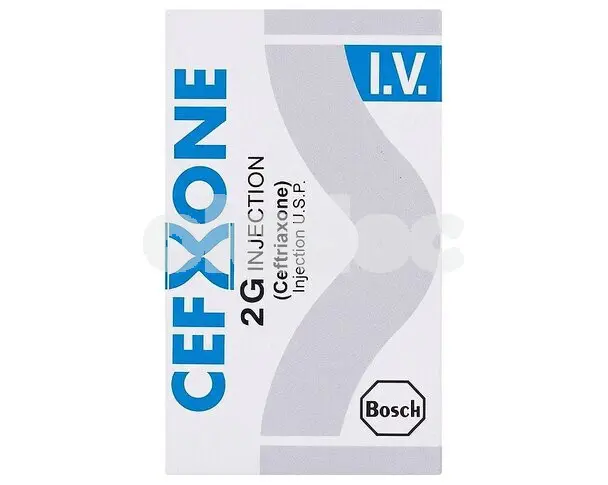
About Cefxone IM Injection 1g
Ceftriaxone Sodium, a third-generation cephalosporin antibiotic for typhoid, pneumonia, and other serious infections.
Cefxone IM Injection 1g Uses
- Typhoid fever due to sensitive Salmonella Typhi
- Chest infections such as community-acquired pneumonia
- Urinary tract infections, including kidney involvement
- Skin and soft tissue infections
- Bone and joint infections
- Severe middle ear infection (acute otitis media)
- Gonorrhea and other susceptible sexually transmitted infections
Cefxone IM Injection 1g Benefits
- Complete absorption from the muscle with dependable blood levels
- One injection every 24 hours supports outpatient antibiotic therapy
- Supplied lidocaine solvent keeps the injection comfortable
- Covers typhoid, chest, urinary, and skin germs with a single agent
- No intravenous line needed for stable patients
- Used across age groups under professional supervision
What Experts Say
Ceftriaxone belongs to the third-generation cephalosporin class and destroys susceptible bacteria by disrupting cell wall construction. After deep intramuscular injection, the 1g dose is absorbed completely and reaches peak blood concentrations within two to three hours, making this route practical whenever an intravenous line is unnecessary.
Typhoid fever, community-acquired pneumonia, and urinary infections place a heavy burden on clinics and hospitals throughout Pakistan. Physicians often prescribe once-daily intramuscular ceftriaxone so stable patients can finish injectable therapy without hospital admission, provided culture reports confirm the bacteria remain sensitive to the drug.
The intramuscular pack contains a lidocaine 1% solvent that numbs the tissue and eases injection pain, and experts stress this mixture must never enter a vein. They also emphasize completing the full prescribed course, because stopping early lets surviving bacteria regrow and fuels antibiotic resistance in the community.
Drug Class
- Third-Generation Cephalosporin Antibiotic
Cefxone IM Injection 1g Uses in Urdu
- ٹائیفائیڈ بخار کے علاج کے لیے مؤثر انجکشن
- سینے اور پھیپھڑوں کے انفیکشن جیسے نمونیا کا علاج
- پیشاب کی نالی اور گردوں کے انفیکشن میں مفید
- جلد اور نرم بافتوں کے بیکٹیریل انفیکشن کا علاج
- ہڈیوں اور جوڑوں کے انفیکشن میں استعمال
- کان کے شدید انفیکشن میں ڈاکٹر کے مشورے سے استعمال
- سوزاک یعنی گونوریا کے علاج میں مؤثر
Cefxone IM Injection 1g formula
How to use Cefxone IM Injection 1g?
- Cefxone IM Injection 1g is administered by a healthcare professional as a deep injection into a large muscle, usually the buttock.
- The pack includes a lidocaine 1% solvent ampoule; the 1g powder is dissolved in 3.5ml of this solution to reduce injection pain.
- The lidocaine-mixed solution is strictly for intramuscular use and must never be injected into a vein.
- No more than 1g should be injected at any single muscle site.
- The usual schedule is one injection every 24 hours, with dose and duration set by the doctor.
- Inform the staff about any allergy to lidocaine, ceftriaxone, penicillins, or cephalosporins before the shot.
- Attend every scheduled injection so the full course is completed, even if you feel better.
Drug Interactions
- Calcium-containing solutions: Ceftriaxone must stay separate from Ringer's lactate, Hartmann's solution, and calcium infusions to avoid harmful precipitates.
- Aminoglycosides: Never combine gentamicin or amikacin with ceftriaxone in the same syringe; kidney function is watched when both are prescribed.
- Warfarin: Bleeding risk can rise with this blood thinner, so clotting tests may be monitored during treatment.
- Probenecid: Tell your doctor if you take this gout medicine, as it may interfere with ceftriaxone elimination.
- Hormonal contraceptives: Antibiotic therapy may reduce pill reliability, so extra precautions are sensible during the course.
- Chloramphenicol: An antagonistic effect can reduce how well both antibiotics work.
Risks and warnings
- Lidocaine Solvent: The supplied lidocaine diluent is for intramuscular use only and must never be given intravenously.
- Cephalosporin Allergy: Avoid this injection after previous allergic reactions to ceftriaxone, other cephalosporins, or severe penicillin allergy.
- Neonatal Restrictions: Not for premature or jaundiced newborns, or any newborn who needs calcium-containing intravenous fluids.
- Calcium Interaction: Ceftriaxone therapy must stay separate from calcium-containing infusions to prevent dangerous precipitation.
- Biliary Effects: Ultrasound may show reversible gallbladder sludging during therapy, occasionally causing upper abdominal pain.
- Severe Diarrhea: Watery or bloody stools after injections can indicate C. difficile colitis and require prompt medical care.
- Lidocaine Precautions: Patients with heart block or severe heart failure need an alternative diluent, as lidocaine may be unsafe for them.
Cefxone IM Injection 1g Side Effects
- Pain, swelling, or a firm lump at the injection site
- Warmth or tenderness in the muscle for a day or two
- Loose motions or diarrhea
- Feeling sick or vomiting
- Itchy skin or hives
- Dizziness or mild headache
- White patches of oral thrush after long courses
- Temporary changes in blood test results, including liver enzymes
- Reversible gallbladder sludging seen on ultrasound
- Rare but serious allergic reactions needing urgent care
Storage Conditions
- Keep the powder vial and lidocaine ampoule below 25°C, away from heat.
- Shield the complete pack from light and dampness.
- Inject the mixed solution right away; freshly prepared doses work best.
- Store all components where children cannot see or reach them.
- Never use the vial or solvent ampoule past their printed expiry dates.