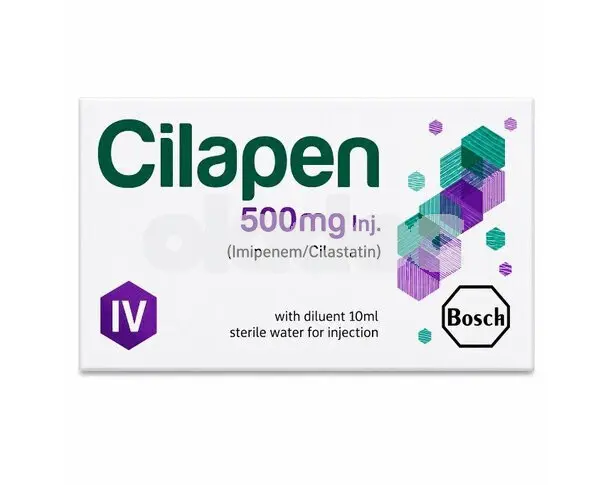
About Cilapen Injection 500mg
Cilapen Injection 500mg contains imipenem and cilastatin, a broad spectrum carbapenem antibiotic combination used in hospital se
Cilapen Injection 500mg Uses
- Severe hospital acquired and ventilator associated pneumonia
- Complicated intra abdominal infections
- Complicated urinary tract infections
- Complicated skin and skin structure infections
- Serious bone and joint infections
- Gynecological infections including post partum infections
- Bacterial septicemia
- Endocarditis in select hospital cases
- Fever in neutropenic patients with suspected bacterial infection
- Polymicrobial and multidrug resistant infections needing broad coverage
Cilapen Injection 500mg Benefits
- Covers a wide range of gram positive, gram negative, and anaerobic bacteria in one injection
- Works against many multidrug resistant organisms that fail to respond to other antibiotics
- Reduces the need to combine several different antibiotics in critically ill patients
- Rapid bactericidal action supports faster recovery in serious infections
- Cilastatin protects imipenem from breakdown by a kidney enzyme, helping the antibiotic stay active longer
What Experts Say
Imipenem and cilastatin belong to the carbapenem class, one of the broadest spectrum antibiotic groups available today. Doctors usually reserve this combination for infections that are severe, hospital acquired, or resistant to other antibiotics rather than for routine outpatient use.
Cilastatin does not fight bacteria on its own. Its role is to block a kidney enzyme that would otherwise break down imipenem before it can work, which is why the two drugs are always combined in a fixed ratio. This allows imipenem to reach therapeutic levels in the blood and tissues long enough to clear serious infections.
Because carbapenems carry a recognized risk of seizures, clinicians pay close attention to kidney function and neurological history before dosing. Careful monitoring during treatment, along with strict adherence to hospital dosing protocols, is considered essential for both safety and effectiveness.
Drug Class
- Carbapenem antibiotic, part of the beta lactam group
Cilapen Injection 500mg Uses in Urdu
- شدید بیکٹیریل انفیکشنز کے علاج کے لیے استعمال ہوتا ہے
- ہسپتال میں لاحق ہونے والے شدید نمونیا میں مؤثر ہے
- پیٹ کے اندرونی اعضا کے پیچیدہ انفیکشنز کے لیے تجویز کیا جاتا ہے
- پیشاب کی نالی کے شدید اور پیچیدہ انفیکشنز میں استعمال ہوتا ہے
- جلد، ہڈیوں اور جوڑوں کے سنگین بیکٹیریل انفیکشنز میں دیا جاتا ہے
- خون میں بیکٹیریا یعنی سیپٹیسیمیا کے علاج میں استعمال ہوتا ہے
- کمزور قوت مدافعت والے مریضوں میں بخار اور مشتبہ انفیکشن کی صورت میں دیا جاتا ہے
Cilapen Injection 500mg formula
- Imipenem 500mg + Cilastatin 500mg
How to use Cilapen Injection 500mg?
- Given only by trained healthcare staff in a hospital or clinic setting, never self administered at home
- Usually given as a slow intravenous infusion over 20 to 60 minutes depending on the dose
- Lower doses may sometimes be given as a deep intramuscular injection when IV access is not suitable
- The vial is reconstituted with the recommended diluent right before use, following strict aseptic technique
- Dose and frequency depend on the type and severity of infection, body weight, and kidney function
- Typically given every 6 to 8 hours, with doses adjusted for patients with reduced kidney function
- Vital signs and kidney function are usually monitored throughout the course of treatment
- The full prescribed course is completed even if symptoms improve early, to prevent resistant infection
Drug Interactions
- Valproic Acid or Divalproex Sodium: Cilapen can sharply lower valproic acid blood levels, increasing the risk of breakthrough seizures. This combination is generally avoided.
- Ganciclovir: Using both together increases the risk of generalized seizures and is generally avoided unless the benefit clearly outweighs the risk.
- Probenecid: May raise imipenem blood levels slightly, though this is not usually significant with this combination.
- Live Bacterial Vaccines: Antibiotic activity can reduce the effectiveness of live vaccines such as BCG or oral typhoid vaccine given during treatment.
- Warfarin: Concurrent use with antibiotics including carbapenems may enhance the anticoagulant effect, so INR monitoring is advised.
- Other Nephrotoxic Drugs: Combining with other kidney affecting medicines may increase the risk of kidney injury.
Risks and warnings
- Penicillin or Beta Lactam Allergy: Patients with a history of severe allergic reaction to penicillin or other beta lactam antibiotics should use this injection with caution, since cross reactivity with carbapenems can occur.
- Seizure Risk: This medicine carries a known risk of seizures, especially in patients with kidney impairment, a history of seizures, or other central nervous system disorders.
- Kidney Impairment: Doses must be carefully adjusted in patients with reduced kidney function to avoid toxicity and lower the risk of seizures.
- Pseudomembranous Colitis: Severe or persistent diarrhea during or after treatment may signal a serious intestinal infection that needs urgent medical attention.
- Pregnancy and Breastfeeding: Should only be used in pregnancy or while breastfeeding if the benefit clearly outweighs the risk, and under direct medical supervision.
- Elderly Patients: Older adults, especially those with reduced kidney function, need closer monitoring during treatment.
- Superinfection: Prolonged use may lead to overgrowth of resistant bacteria or fungi that need separate treatment.
Cilapen Injection 500mg Side Effects
- Nausea and vomiting
- Diarrhea
- Pain, redness, or swelling at the injection site
- Fever
- Skin rash or itching
- Low blood pressure
- Elevated liver enzymes
- Changes in blood cell counts
- Headache and dizziness
- Seizures, particularly in patients with kidney problems or CNS disorders
- Severe allergic reaction with swelling of the face, lips, or throat
- Severe or persistent diarrhea due to Clostridioides difficile infection
Storage Conditions
- Unopened vials should be stored at room temperature below 25°C, away from direct sunlight and moisture
- During Pakistan's hot summer months, vials should be kept in a cool, air conditioned area rather than exposed to heat, since high temperatures can degrade the powder faster
- After reconstitution, the solution should be used promptly, ideally within 1 hour at room temperature
- If not used immediately, the reconstituted solution can be refrigerated at 2°C to 8°C and used within the timeframe stated on the pack insert
- The reconstituted solution should never be frozen, as freezing can affect the stability of the drug
- Vials are for single use only, and any unused reconstituted solution should be discarded after the recommended window
- Keep out of reach of children and store only in the original carton until ready for hospital use