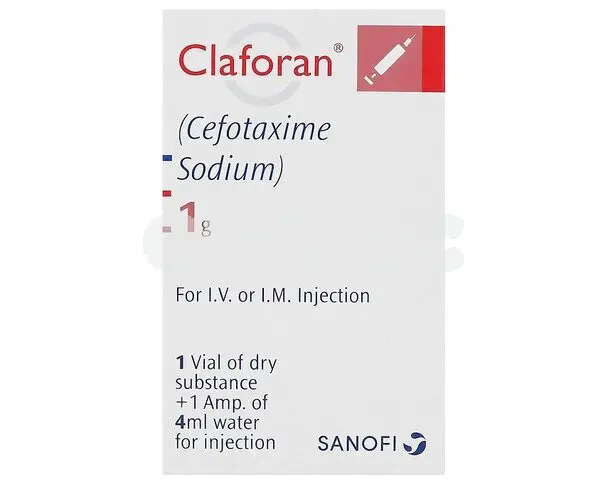
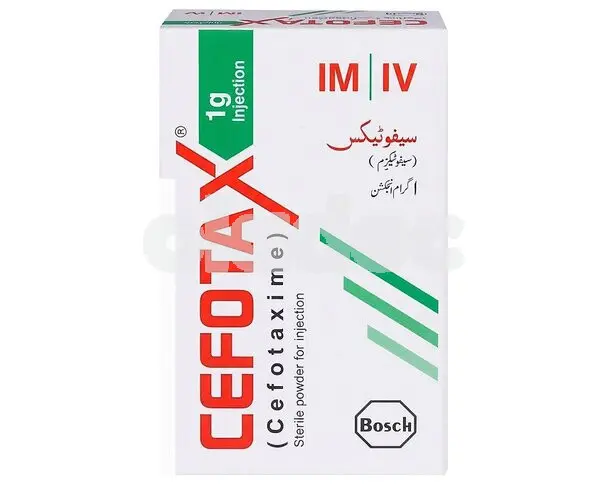
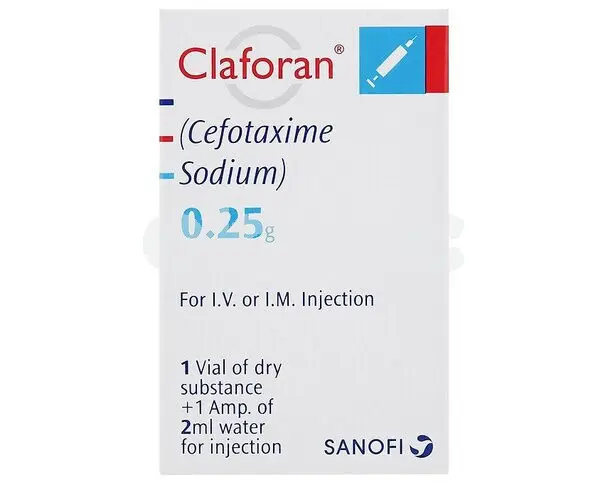
About Claforan injection 1gm
Cefotaxime Sodium is a third-generation cephalosporin antibiotic used to treat serious bacterial infections.
Claforan Injection 1gm Uses
- Treats pneumonia and other lower respiratory tract infections
- Manages bacterial meningitis
- Treats complicated urinary tract infections
- Used for skin and soft tissue infections
- Treats bone and joint infections
- Manages intra abdominal infections
- Treats gonorrhea and pelvic inflammatory disease
- Used for septicemia (bloodstream infections)
- Prevents infection during and after surgery
Claforan Injection 1gm Benefits
- Works against a broad range of gram positive and gram negative bacteria
- Resistant to many bacterial enzymes that break down weaker antibiotics
- Reaches high concentrations in blood and tissue for fast action
- Suitable for severe hospital acquired infections
- Can be combined with other antibiotics for mixed infections
What Experts Say
Cefotaxime sodium belongs to the third generation cephalosporin class. It works by binding to penicillin binding proteins in the bacterial cell wall, which stops the wall from forming properly. This action causes the bacteria to burst and die, making the drug effective against many serious infections.
Clinicians favor cefotaxime because it resists breakdown by many beta lactamase enzymes that make older antibiotics fail. This gives it a wide spectrum of activity against both gram positive and gram negative organisms, including bacteria that cause meningitis, pneumonia, and bloodstream infections. Its ability to cross into cerebrospinal fluid makes it a preferred option for central nervous system infections.
Because cefotaxime is given by injection, it is mostly used in hospital settings under medical supervision. Doctors monitor kidney function and watch for allergic reactions, especially in patients with a history of penicillin sensitivity. Dose adjustments are often needed for patients with reduced kidney function to avoid drug accumulation.
Drug Class
- Third generation cephalosporin antibiotic
Claforan Injection 1gm Uses in Urdu
- نمونیا اور سانس کی نالی کے انفیکشن کے علاج میں استعمال ہوتا ہے
- دماغ کی جھلی کے انفیکشن یعنی میننجائٹس میں دیا جاتا ہے
- پیشاب کی نالی کے شدید انفیکشن کے لیے تجویز کیا جاتا ہے
- جلد اور نرم بافتوں کے انفیکشن میں استعمال ہوتا ہے
- ہڈیوں اور جوڑوں کے انفیکشن کے علاج میں مددگار ہے
- خون میں انفیکشن یعنی سیپٹیسیمیا کے علاج کے لیے دیا جاتا ہے
- سرجری کے دوران اور بعد میں انفیکشن سے بچاؤ کے لیے استعمال ہوتا ہے
Claforan injection 1gm formula
How to use Claforan injection 1gm?
- Administered by a doctor or trained healthcare provider through intravenous or intramuscular injection
- Dose and frequency depend on the type and severity of infection
- Complete the full course even if symptoms improve early
- Inform your doctor about kidney problems or drug allergies before starting treatment
- Do not self administer this injection at home
Drug Interactions
- Probenecid: Reduces the elimination of cefotaxime from the body and can raise its blood levels
- Aminoglycosides: Combined use may increase the risk of kidney damage
- Loop Diuretics: Drugs like furosemide may increase the risk of kidney toxicity when used with cefotaxime
- Oral Anticoagulants: May increase the risk of bleeding when used with cefotaxime
- Live Bacterial Vaccines: Cefotaxime may reduce the effectiveness of vaccines like typhoid vaccine
Risks and warnings
- Allergy Risk: Should not be used by patients with a known allergy to cephalosporins or penicillins
- Kidney Impairment: Dose adjustment is required in patients with reduced kidney function
- Pregnancy: Use only if clearly needed and under a doctor's supervision
- Breastfeeding: Small amounts pass into breast milk, so use with medical advice
- Prolonged Use: Extended treatment may lead to superinfection with resistant organisms
- Intestinal Infection: Can cause severe diarrhea due to Clostridioides difficile, seek medical help if this occurs
Claforan Injection 1gm Side Effects
- Pain, redness or swelling at the injection site
- Diarrhea
- Nausea and vomiting
- Skin rash or itching
- Fever
- Headache
- Vaginal itching or discharge
- Abnormal liver enzyme levels
- Low white blood cell or platelet counts
- Severe diarrhea due to Clostridioides difficile infection
- Allergic reactions including swelling of the face or throat
- Seizures in patients with kidney impairment or high doses
Storage Conditions
- Store the unopened vial at room temperature below 25 degrees Celsius
- Protect from light and moisture
- Keep away from the reach of children
- Use the reconstituted solution promptly as advised by the pharmacist
- Do not use if the powder shows discoloration or the vial is damaged