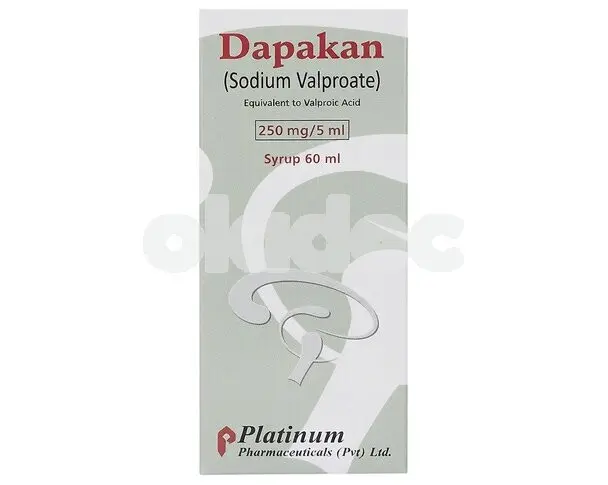
About Epival injection 500mg
Epival Injection 500mg is an anticonvulsant and mood stabilizer used for acute seizure control.
Epival Injection Uses
- Control of status epilepticus (prolonged or repeated seizures)
- Seizure control when the oral route is not feasible, such as during surgery or unconsciousness
- Emergency management of acute seizures in hospital settings
- Short-term bridge therapy until the patient can resume oral Sodium Valproate
Epival Injection Benefits
- Provides rapid onset of seizure control through direct intravenous action
- Allows precise dose adjustment under medical supervision
- Useful when swallowing or gastric absorption is compromised
- Supports smooth transition to oral maintenance therapy once the patient stabilizes
What Experts Say
Doctors reserve intravenous Sodium Valproate for acute, hospital-based situations rather than routine outpatient use. When seizures do not respond quickly to first-line emergency drugs, or when a patient cannot take medicine by mouth, the IV form allows the drug to reach therapeutic blood levels within minutes.
This rapid action is important in status epilepticus, where prolonged seizure activity can cause lasting neurological damage if not controlled quickly. Physicians typically monitor liver function, blood counts, and ammonia levels closely during IV administration because of the drug's known toxicity profile.
Once the seizures are controlled and the patient can swallow safely, clinicians switch to oral Sodium Valproate for long-term maintenance. This step-down approach balances the need for fast control with the lower risk profile of oral dosing over time.
Drug Class
- Anticonvulsant / Antiepileptic
- Mood Stabilizer
Epival Injection Uses in Urdu
- سٹیٹس ایپی لیپٹیکس یعنی طویل یا بار بار آنے والے دورے کنٹرول کرنے کے لیے
- جب مریض منہ سے دوا نہ لے سکے تو دورے روکنے کے لیے
- ہسپتال میں فوری دورے کی ایمرجنسی صورتحال میں
- حالت مستحکم ہونے تک عارضی علاج کے طور پر
Epival injection 500mg formula
How to use Epival injection 500mg?
- Administer only by a qualified healthcare professional in a hospital or clinical setting
- Give as a slow intravenous infusion, typically over several minutes as directed by the treating physician
- Do not administer as a rapid IV push unless specifically instructed for emergency seizure control
- Dose is calculated based on body weight and clinical response
- Switch to oral Sodium Valproate once the patient is stable and able to swallow safely
- Monitor vital signs and neurological status throughout the infusion
Drug Interactions
- Lamotrigine: Sodium Valproate increases lamotrigine blood levels, raising the risk of serious skin reactions, dose adjustment is required
- Phenytoin: Can alter free phenytoin levels, requiring closer monitoring during combined use
- Carbamazepine: May lower Sodium Valproate levels while increasing carbamazepine toxicity risk
- Aspirin and Salicylates: Can displace Sodium Valproate from protein binding, increasing free drug levels and bleeding risk
- CNS Depressants: Combined use with sedatives, opioids, or alcohol increases drowsiness and respiratory depression risk
- Warfarin: Sodium Valproate can enhance the anticoagulant effect, increasing bleeding risk, requiring INR monitoring
Risks and warnings
- Hepatotoxicity: Can cause serious, sometimes fatal liver damage, especially in children under two years and in the first six months of treatment
- Pregnancy Risk: Associated with neural tube defects and other birth defects, use in pregnancy only when no safer alternative exists and under specialist supervision
- Pancreatitis: Rare but potentially life-threatening pancreatitis has been reported, sometimes shortly after starting treatment
- Thrombocytopenia: May lower platelet count, increasing bleeding risk, especially with prolonged use
- Hyperammonemia: Can raise blood ammonia levels, sometimes causing confusion, lethargy, or encephalopathy even with normal liver tests
- Contraindications: Avoid in patients with known liver disease, mitochondrial disorders, or urea cycle disorders
Epival Injection Side Effects
- Nausea and vomiting
- Drowsiness or sedation
- Tremor
- Weight changes
- Elevated liver enzymes
- Injection site pain or reaction
- Dizziness
- Headache
Storage Conditions
- Store the vial below 25°C, away from direct sunlight
- Keep in the original carton until the moment of use
- Use immediately after reconstitution or dilution, do not store prepared solution for later use
- Discard any unused portion after opening a vial
- Keep out of reach of children
- Do not freeze