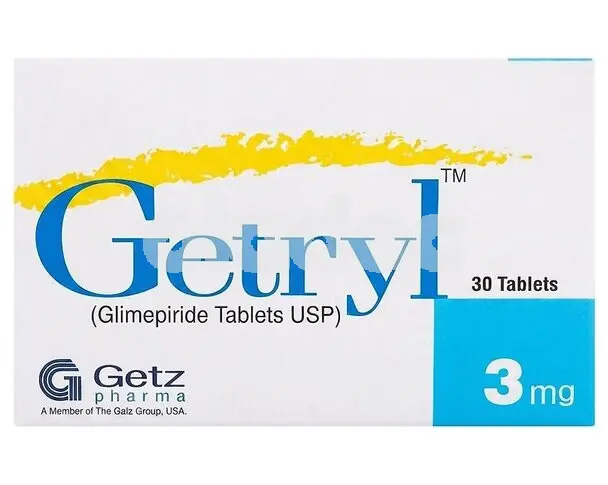
About Getryl Tablet 3mg
Getryl Tablet 3mg contains glimepiride, a sulfonylurea that helps lower blood sugar in type 2 diabetes.
Getryl Tablet 3mg Uses
- Controls high blood sugar in adults with type 2 diabetes
- Used as monotherapy when diet and exercise alone are not enough
- Used in combination with metformin or insulin for better glycemic control
- Prescribed for patients who need a higher sulfonylurea dose to reach target blood sugar levels
Getryl Tablet 3mg Benefits
- Stimulates the pancreas to release more insulin
- Improves the body's response to insulin
- Helps lower the risk of long term diabetes complications like nerve and kidney damage
- Once daily dosing supports easier treatment adherence
What Experts Say
Physicians prescribe Glimepiride 3mg for patients who have not reached target blood sugar on lower doses of 1mg or 2mg. Glimepiride binds to sulfonylurea receptors on pancreatic beta cells, closing ATP sensitive potassium channels and stimulating insulin release. At 3mg this effect is stronger, improving control but raising the chance of hypoglycemia if a meal is skipped.
Doctors usually recommend closer blood glucose monitoring at the 3mg dose, especially during the first few weeks or after any change in diet, activity, or kidney function. Elderly patients and those with reduced renal clearance need extra caution, since glimepiride and its active metabolite are cleared through the kidneys and can accumulate.
Clinicians often pair the 3mg dose with metformin or insulin to reach target HbA1c without exceeding the accepted upper limit of 8mg daily. Dose increases are usually spaced one to two weeks apart to let the body adjust and to limit the hypoglycemia risk tied to rapid titration.
Drug Class
- Sulfonylurea (second generation)
- Oral hypoglycemic agent
Getryl Tablet 3mg Uses in Urdu
- ٹائپ 2 ذیابیطس میں خون میں شوگر کی سطح کو کنٹرول کرنے کے لیے استعمال ہوتی ہے
- اکیلے یا دیگر ذیابیطس کی ادویات کے ساتھ ملا کر دی جاتی ہے
- ان مریضوں کے لیے تجویز کی جاتی ہے جنہیں زیادہ خوراک کی ضرورت ہو
- انسولین کے اخراج کو بڑھا کر شوگر کم کرنے میں مدد دیتی ہے
Getryl Tablet 3mg formula
How to use Getryl Tablet 3mg?
- Take Getryl Tablet 3mg once daily with the first main meal of the day
- Swallow the tablet whole with a glass of water
- Take at the same time each day for consistent blood sugar control
- Do not skip a meal after taking this tablet
- Follow the exact dose prescribed by your doctor, do not adjust it yourself
Drug Interactions
- Insulin and other antidiabetic drugs increase the risk of hypoglycemia when combined with Glimepiride
- Beta blockers can mask warning signs of hypoglycemia such as rapid heartbeat and tremors
- Alcohol increases the risk and severity of hypoglycemia
- NSAIDs and salicylates can enhance the blood sugar lowering effect of Glimepiride
- ACE inhibitors may increase hypoglycemia risk when used with Glimepiride
- Fluconazole and other CYP2C9 inhibitors can raise Glimepiride blood levels and increase hypoglycemia risk
- Thiazide diuretics and corticosteroids can reduce the blood sugar lowering effect of Glimepiride
- Rifampicin can lower Glimepiride levels and reduce its effectiveness
Risks and warnings
- Not recommended for type 1 diabetes or diabetic ketoacidosis
- Avoid in severe kidney or liver disease
- Use with caution in elderly patients due to higher hypoglycemia risk at this dose
- Not recommended during pregnancy or breastfeeding
- Avoid alcohol while taking this medicine
- Skipping a meal after a dose can cause dangerously low blood sugar
Getryl Tablet 3mg Side Effects
- Hypoglycemia (low blood sugar)
- Dizziness
- Headache
- Nausea
- Weight gain
- Stomach upset
- Skin rash or itching
- Blurred vision
- Sweating and tremors during low blood sugar episodes
- Rare liver enzyme changes or jaundice
Storage Conditions
- Store below 30°C in a cool, dry place away from direct sunlight
- Keep the tablets in their original blister pack until ready to use
- Protect from moisture and humidity
- Keep out of reach of children