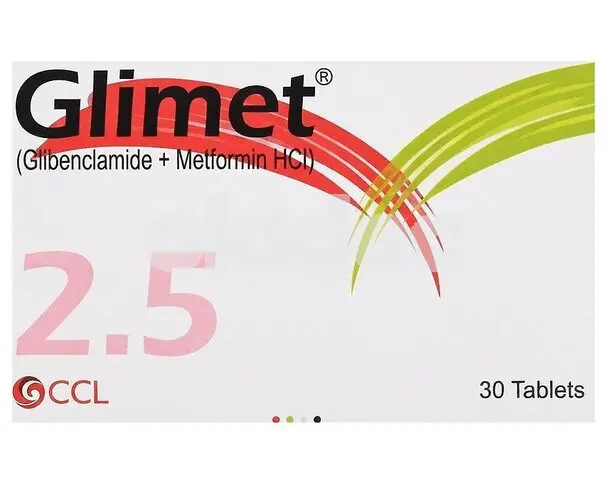
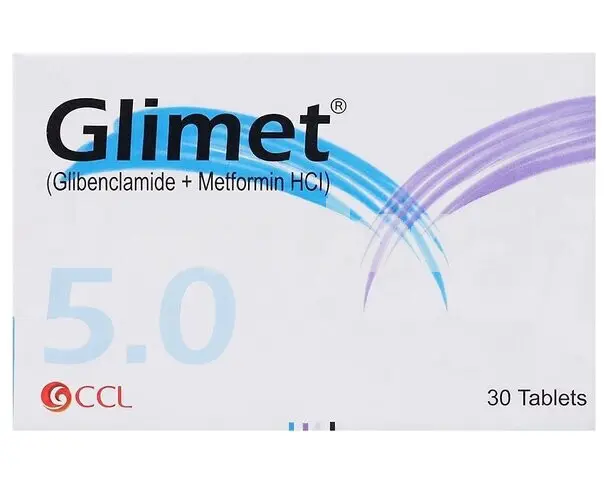
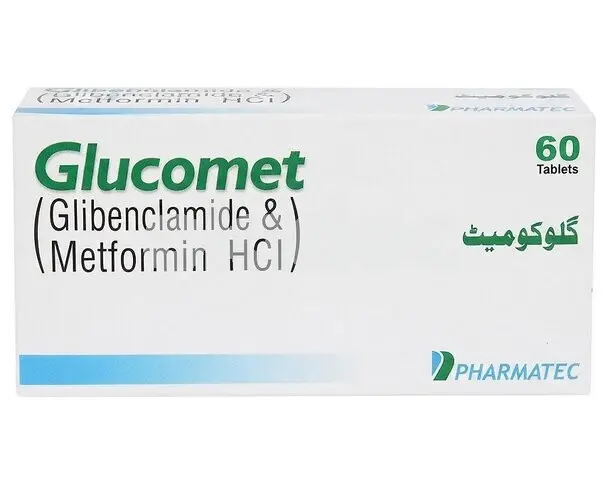
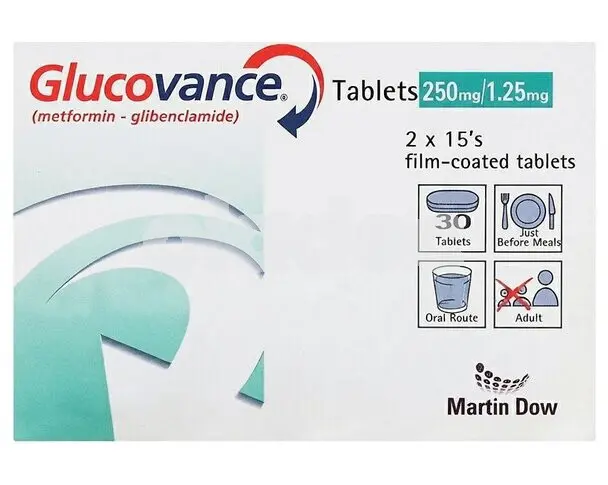
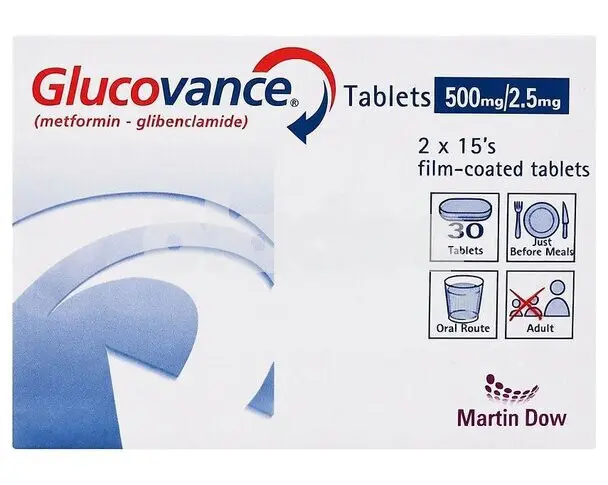
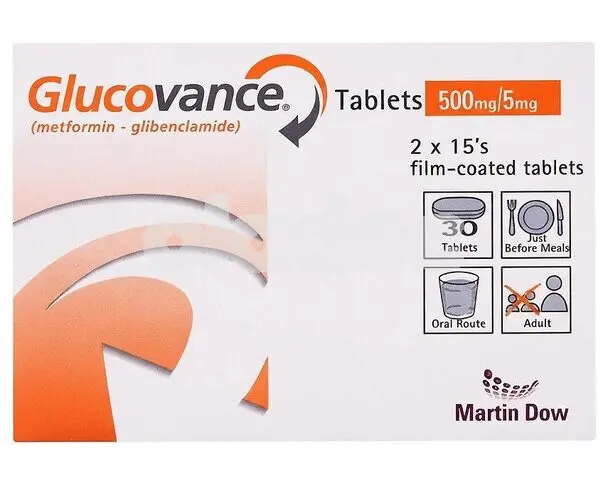
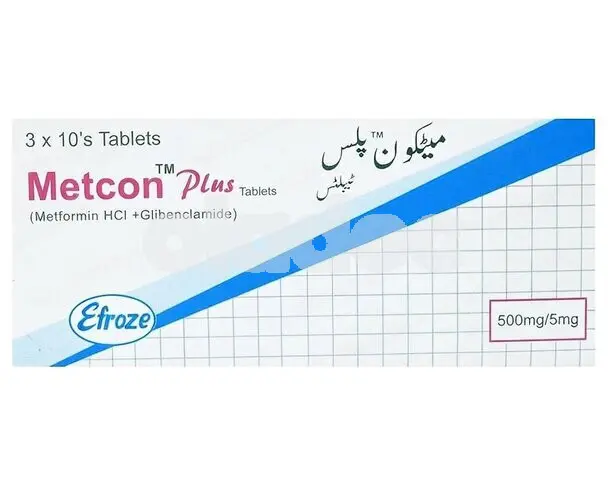
About Glimet Tablet 2.5mg / 500mg
A combination diabetes tablet that helps lower and control high blood sugar levels in adults.
Glimet Tablet Uses
- Type 2 diabetes mellitus when diet and exercise alone are not enough
- Blood sugar control in patients who need more than one antidiabetic agent
- Long term glycemic management alongside lifestyle changes
Glimet Tablet Benefits
- Combines two mechanisms in one tablet, which can improve treatment adherence
- Stimulates the pancreas to release more insulin
- Reduces how much glucose the liver releases into the blood
- Improves how the body's cells respond to insulin
What Experts Say
This tablet pairs a sulfonylurea with a biguanide, combining two different ways of lowering blood glucose. Glibenclamide stimulates the pancreas to release more insulin, while metformin reduces glucose production in the liver and improves how muscle tissue uses insulin.
Physicians generally start with the lowest effective strength and adjust it based on fasting and post meal glucose readings. Because glibenclamide carries a higher hypoglycemia risk than newer sulfonylureas, dosing is usually timed with meals and reviewed closely in older patients.
Type 2 diabetes affects a large share of adults in Pakistan, and fixed dose combinations like this one are commonly prescribed once single agent therapy stops achieving target blood sugar levels, particularly in primary care settings with limited access to newer drug classes. Regular kidney function monitoring is recommended, since metformin accumulation in reduced renal function raises the risk of lactic acidosis.
Drug Class
- Sulfonylurea
- Biguanide
- Antidiabetic Combination
Glimet Tablet 2.5mg / 500mg Uses in Urdu
- ٹائپ 2 ذیابیطس کے علاج کے لیے
- خون میں شوگر کی سطح کو قابو میں رکھنے کے لیے
- غذا اور ورزش کے ساتھ طویل مدتی شوگر کنٹرول کے لیے
Glimet Tablet 2.5mg / 500mg formula
- Glibenclamide + Metformin Hydrochloride
How to use Glimet Tablet 2.5mg / 500mg?
- Take this medicine with breakfast or the first main meal of the day.
- Swallow the tablet whole with a glass of water.
- Keep meal times consistent to avoid a drop in blood sugar.
- Carry a source of fast acting sugar in case of a hypoglycemic episode.
- Continue diet and exercise changes recommended by your doctor alongside this medicine.
- Get blood sugar and kidney function checked regularly during treatment.
Drug Interactions
- Alcohol: Raises the risk of low blood sugar and lactic acidosis.
- Beta Blockers: Can mask the warning signs of low blood sugar.
- Corticosteroids: Tend to raise blood sugar and reduce this medicine's effect.
- Contrast Dye: Combined use can affect kidney function and metformin clearance.
- Other Antidiabetic Drugs: Combining agents increases the overall risk of hypoglycemia.
- Diuretics: Certain water pills can raise blood sugar and affect kidney function.
Risks and warnings
- Low Blood Sugar: This medicine can cause hypoglycemia, especially if a meal is skipped.
- Kidney Function: Reduced kidney function raises the risk of a rare but serious condition called lactic acidosis.
- Alcohol Use: Drinking alcohol while on this medicine increases the risk of low blood sugar and lactic acidosis.
- Surgery Or Contrast Dye: This medicine may need to be paused before surgery or an imaging scan using contrast dye.
- Liver Function: Liver problems raise the risk of lactic acidosis and should be assessed before starting treatment.
Glimet Tablet Side Effects
- Low blood sugar
- Nausea or upset stomach
- Diarrhea
- Metallic taste in the mouth
- Loss of appetite
- Weight gain
- Headache
- Dizziness
- Skin rash
- Vitamin B12 deficiency with long term use
Storage Conditions
- Store below 30°C in a cool, dry place.
- Keep the tablets in their original strip until ready to use.
- Protect from moisture and direct sunlight.
- Keep out of reach of children.
- Discard any tablets once they pass the expiry date.