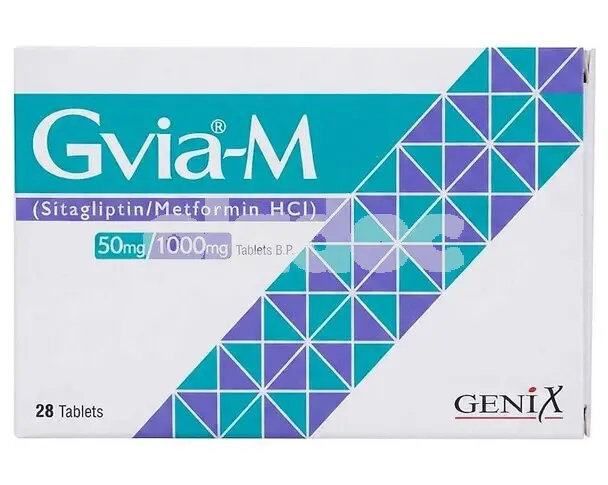
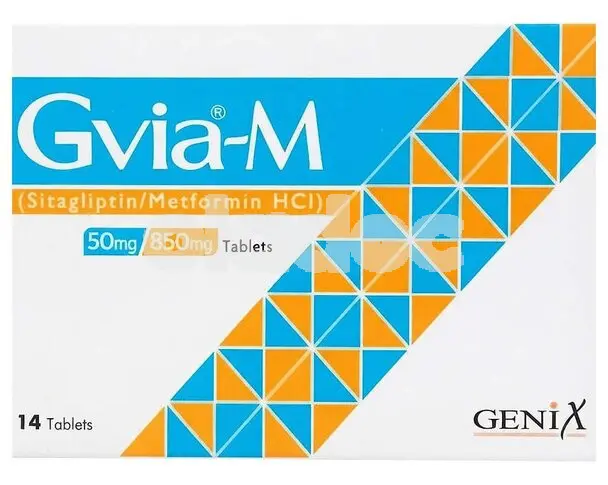
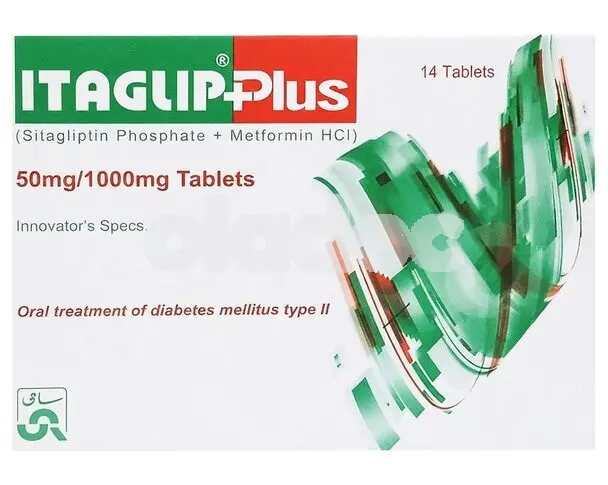
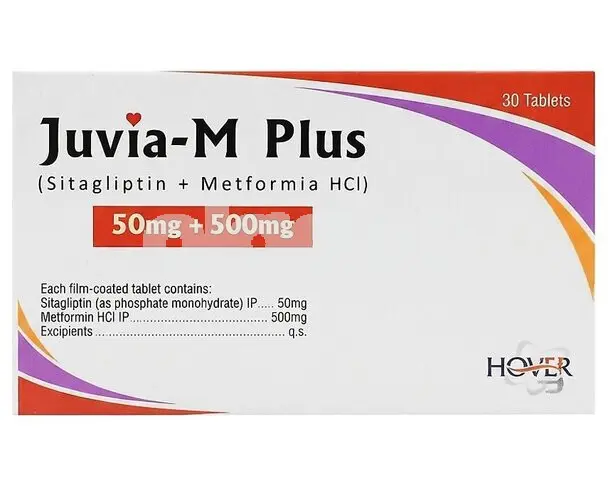
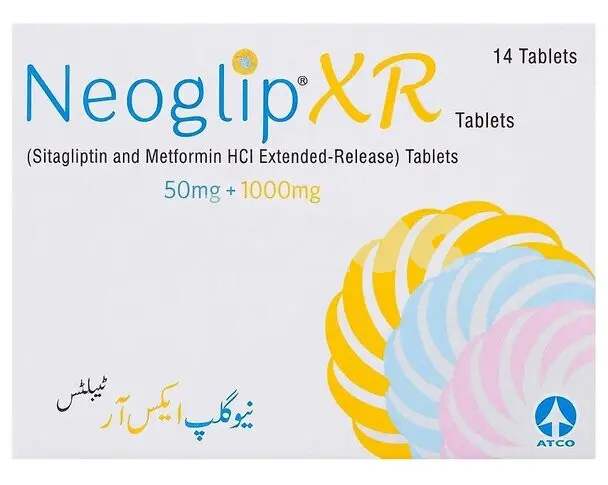
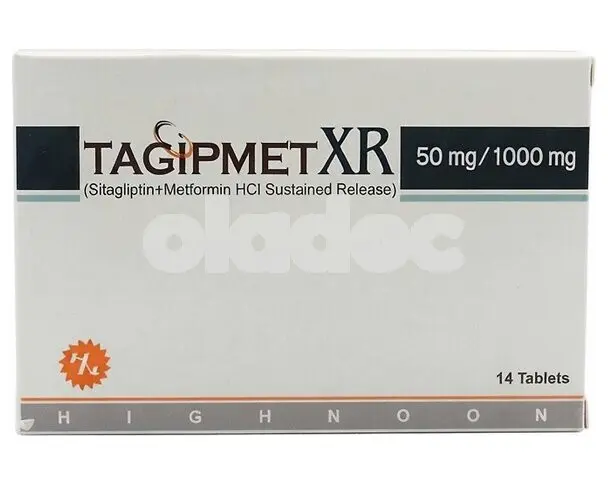
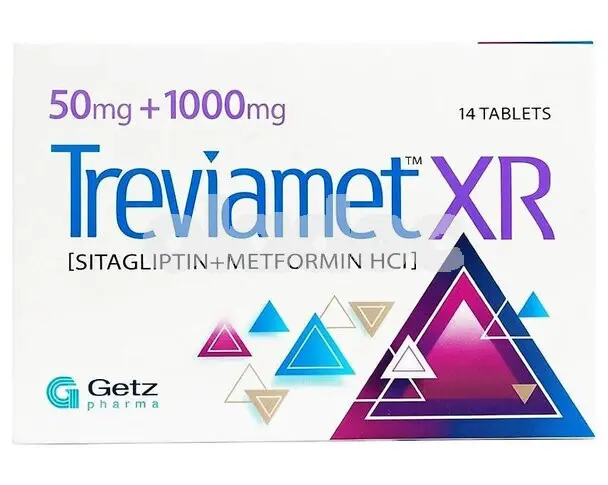
About Gvia-M Tablet 50mg / 1000mg
Gvia-M 50mg/1000mg pairs a DPP-4 inhibitor with a higher metformin dose for type 2 diabetes control.
Gvia-M Tablet Uses
- Type 2 diabetes mellitus management alongside diet and exercise
- Improving blood glucose control in patients who need a higher metformin dose
- Add-on therapy for patients already stable on metformin who need better HbA1c control
- Long term glycemic management in adults with type 2 diabetes
Gvia-M Tablet Benefits
- Combines two complementary diabetes mechanisms in a single tablet
- Delivers the highest per tablet metformin strength in this combination
- Reduces the number of daily tablets compared to taking each drug separately
- Supports more consistent blood sugar control after meals
What Experts Say
Metformin and sitagliptin act through complementary mechanisms to manage blood glucose. Metformin reduces glucose output from the liver and improves how tissues respond to insulin, while sitagliptin preserves incretin hormone activity to support meal time insulin release. Together they offer more consistent control than either agent used alone.
The 1000mg metformin strength represents the highest per tablet biguanide dose in this combination, generally reserved for patients who already tolerate metformin well and need more intensive glycemic control alongside DPP-4 inhibition. Because this is a near maximal metformin dose, renal function and GI tolerance need closer attention than with lower strengths.
Pakistan carries one of the world's highest burdens of type 2 diabetes, and higher dose combination therapy is often needed to bring HbA1c to target. Regular renal function testing and periodic HbA1c monitoring every three months help confirm the combination stays effective without increasing the risk of lactic acidosis.
Drug Class
- DPP-4 Inhibitor (Sitagliptin)
- Biguanide (Metformin Hydrochloride)
- Fixed Dose Combination Antidiabetic
Gvia-M Tablet 50mg / 1000mg Uses in Urdu
- ٹائپ 2 ذیابیطس میں بلڈ شوگر کو کنٹرول کرنے کے لیے
- جب زیادہ خوراک میٹفارمن کے ساتھ بہتر شوگر کنٹرول درکار ہو
- کھانے کے بعد شوگر لیول کو مستحکم رکھنے کے لیے
- ذیابیطس کے طویل مدتی علاج کے منصوبے کے حصے کے طور پر
Gvia-M Tablet 50mg / 1000mg formula
- Sitagliptin + Metformin Hydrochloride
How to use Gvia-M Tablet 50mg / 1000mg?
- Take Gvia-M tablet with a meal to reduce stomach upset, usually twice daily as directed by the doctor
- Swallow the tablet whole with a glass of water, do not crush or chew it
- Take the two daily doses at similar times each day, for example with breakfast and dinner
- Do not double the dose if a dose is missed, continue with the next scheduled dose
- Continue diet and exercise changes recommended by the doctor alongside this medicine
- Do not stop the medicine without consulting the doctor even if blood sugar improves
Drug Interactions
- Sulfonylureas or Insulin: Combined use raises the risk of low blood sugar, so dose adjustment may be needed.
- Iodinated Contrast Media: Using contrast dye with metformin in the system raises the risk of acute kidney injury and lactic acidosis; the medicine is often paused around such procedures.
- Alcohol: Heavy or frequent alcohol use increases the risk of lactic acidosis and low blood sugar with this combination.
- Cimetidine: This acid reducing medicine can raise metformin blood levels by reducing its clearance from the kidneys.
- Digoxin: Sitagliptin can slightly raise digoxin blood levels, so monitoring is advised in patients taking both.
- Diuretics or Corticosteroids: These medicines can raise blood sugar levels and may reduce how well this combination controls glucose.
Risks and warnings
- Lactic Acidosis: Metformin carries a rare but serious risk of lactic acidosis, and this risk rises with the higher metformin dose in this strength, especially with kidney impairment, dehydration, sepsis, or heavy alcohol use.
- Kidney Function: Renal function should be checked before starting and monitored periodically, since this strength delivers a near maximal metformin dose that depends on adequate kidney clearance.
- Contrast Dye Procedures: Metformin may need to be paused before and after imaging tests using iodinated contrast, since contrast dye can affect kidney function.
- Pancreatitis: Sitagliptin has been linked to rare cases of acute pancreatitis, including severe forms; persistent abdominal pain should be reported immediately.
- Hypersensitivity Reactions: Sitagliptin can rarely cause serious allergic reactions such as swelling of the face or throat, severe skin reactions, or difficulty breathing.
- Vitamin B12 Levels: Long term metformin use can lower vitamin B12 levels, so periodic monitoring is advised, especially with anemia or nerve symptoms.
- Joint Pain: DPP-4 inhibitors like sitagliptin have been associated with severe joint pain in rare cases that may develop soon after starting or after a long treatment period.
Gvia-M Tablet Side Effects
- Nausea
- Mild diarrhea
- Stomach discomfort
- Gas or bloating
- Reduced appetite
- Headache
- Upper respiratory infection symptoms
- Runny or stuffy nose
- Swelling in the hands or feet
- Low blood sugar when combined with other diabetes medicines
- Metallic taste
- Vomiting
Storage Conditions
- Store below 30°C in a cool, dry place away from direct sunlight.
- Keep the tablets in their original blister pack until ready to use.
- Protect from moisture and humidity, avoid storing in the bathroom.
- Keep out of reach of children and pets.