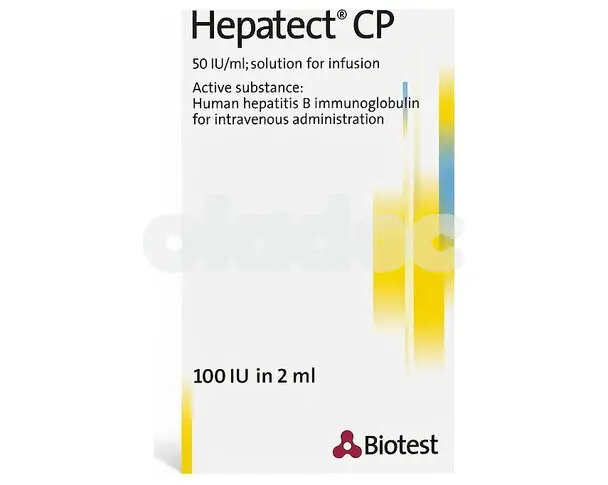
About Hepatect Injection 100IU/2ml
An emergency antibody injection that guards against a serious liver virus after exposure.
Hepatect Injection Uses
- Emergency protection after accidental exposure to hepatitis B virus, such as a needle stick injury
- Prevention of hepatitis B transmission from an infected mother to her newborn baby
- Protection of the liver graft in patients who had a liver transplant due to hepatitis B
- Short term cover for unvaccinated people who need immediate protection after contact with infected blood
Hepatect Injection Benefits
- Provides ready made antibodies that act immediately, unlike a vaccine which takes weeks to work
- Reduces the chance of a newborn developing chronic hepatitis B after birth exposure
- Supports transplant patients in protecting a new liver from reinfection
- Purified and screened production process designed for safety in sensitive patients
What Experts Say
Liver specialists describe hepatitis B immunoglobulin as a critical bridge therapy for people facing sudden, high risk exposure. It supplies ready made antibodies while the body has not yet built its own defense. This makes it valuable in emergencies where a vaccine alone would act too slowly.
Transplant teams rely heavily on this immunoglobulin to protect a new liver from hepatitis B recurrence. Many hepatologists combine it with antiviral medicines for stronger, longer lasting protection. Careful dosing and monitoring remain central to safe use in this group.
Newborn care specialists recommend this injection alongside the hepatitis B vaccine for babies born to infected mothers. When given within hours of birth, it substantially lowers the risk of the child developing lifelong infection. Timing is considered just as important as the dose itself.
Drug Class
Hepatect Injection Uses in Urdu
- ہیپاٹائٹس بی وائرس کے اچانک رابطے کے بعد فوری تحفظ کے لیے
- متاثرہ ماں سے نوزائیدہ بچے میں انفیکشن منتقل ہونے سے روکنے کے لیے
- جگر کی پیوند کاری کے بعد نئے جگر کو انفیکشن سے بچانے کے لیے
- غیر حفاظتی ٹیکہ لگوائے افراد کو انفیکشن والے خون کے رابطے کے بعد تحفظ دینے کے لیے
Hepatect Injection 100IU/2ml formula
- Hepatitis B Immunoglobulin (Human)
Available forms
- Intravenous Infusion Vial
How to use Hepatect Injection 100IU/2ml?
- Give only in a hospital or clinical setting under direct medical supervision
- Administer by slow intravenous infusion at the rate advised by the treating doctor
- Use as soon as possible after exposure, ideally within 24 to 48 hours
- Combine with the hepatitis B vaccine series when advised for newborns or unvaccinated contacts
- Monitor vital signs during and after the infusion for any reaction
Drug Interactions
- Live Virus Vaccines: Can be less effective if given too close together with this immunoglobulin, so a gap of several months is usually advised.
- Other Immunoglobulin Products: Combining with additional immunoglobulins should be supervised to avoid excess antibody load.
- Anticoagulants: Used with caution alongside blood thinners due to a slightly increased clotting risk with immunoglobulin therapy.
Risks and warnings
- IgA Deficiency: People with a known lack of IgA antibodies face a higher chance of a severe allergic reaction.
- Kidney Impairment: Caution and slower infusion rates are needed in patients with existing kidney disease.
- Infusion Reactions: Chills, flushing, or a drop in blood pressure can occur during the infusion and need close monitoring.
- Thrombosis Risk: Patients with clotting risk factors should be assessed before treatment.
Hepatect Injection Side Effects
Side effects are generally mild when the injection is given slowly under medical supervision.
- Mild fever or chills
- Headache
- Nausea
- Pain or redness at the infusion site
Serious reactions are uncommon, but immediate medical attention is needed if any of these occur.
- Severe allergic reaction with swelling or difficulty breathing
- Sudden drop in blood pressure
- Signs of a blood clot such as leg swelling or chest pain
Storage Conditions
- Store in the refrigerator between 2 and 8 degrees Celsius
- Keep the vial in its outer carton away from light
- Avoid freezing the injection, since freezing can damage the protein
- Bring to room temperature only just before the infusion is given
- Use within the time advised by the treating team once the vial is opened