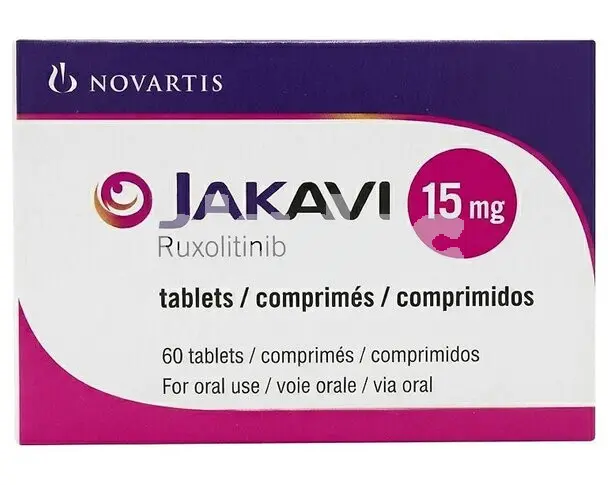
About Jakavi Tablet 15mg
Jakavi Tablet 15mg contains ruxolitinib, a JAK inhibitor used to treat myelofibrosis and polycythemia vera.
Jakavi Tablet 15mg Uses
- Primary myelofibrosis, a rare bone marrow disorder that affects blood cell production
- Myelofibrosis that develops after polycythemia vera or essential thrombocythemia
- Polycythemia vera in adults who have not responded well to or cannot tolerate hydroxyurea
- Reduction of an enlarged spleen and related symptoms like night sweats, itching, and bone pain
Drug Class
- Jakavi belongs to a group of medicines called JAK inhibitors, short for Janus kinase inhibitors
- It specifically blocks JAK1 and JAK2 enzymes, which drive abnormal blood cell growth in these conditions
- This class works as a targeted therapy, different from traditional chemotherapy
What Experts Say
Hematologists across Pakistan increasingly turn to Jakavi for myelofibrosis patients with painful spleen enlargement or severe fatigue that other treatments cannot control. Since myelofibrosis is rare, most cases are managed through specialized hematology-oncology clinics. The drug's targeted action on JAK1 and JAK2 enzymes sets it apart from older chemotherapy, easing symptoms without broadly attacking healthy cells.
Dosing decisions rely heavily on a patient's baseline platelet count, which is why blood work is repeated often during the first months of therapy. Physicians generally start at a lower dose for borderline platelet counts, then raise it only if levels stay stable. Sudden discontinuation is discouraged, since myelofibrosis symptoms and spleen size can rebound sharply within days.
Cost remains a genuine barrier for many families in Pakistan, since Jakavi is an imported, patent protected therapy with no approved local generic yet. Hospital assistance programs are sometimes the only realistic path to sustained treatment. Experts generally recommend confirming the exact diagnosis through bone marrow and genetic testing before therapy begins, since benefit depends on an accurate diagnosis.
Jakavi Tablet 15mg Uses in Urdu
- مائیلوفائبروسس یعنی بون میرو کی نایاب بیماری کے علاج میں
- پولی سائتھیمیا ویرا کے مریضوں میں جب دیگر ادویات مؤثر نہ ہوں
- تِلی کے غیر معمولی بڑھنے اور اس سے جڑی علامات کو کم کرنے میں
Jakavi Tablet 15mg formula
How to use Jakavi Tablet 15mg?
- Jakavi is usually taken twice a day, roughly 12 hours apart, exactly as prescribed by the treating doctor
- The tablet can be swallowed whole with a glass of water, with or without food
- Crushing or splitting the tablet is not recommended unless the doctor gives specific instructions
- A missed dose should simply be skipped, and the next dose should be taken at its regular time, without doubling up
- The exact dose depends on platelet count, blood counts, and how the body responds, so it may change during treatment
- Regular blood tests are part of routine follow up while on this medicine
- Jakavi should only be stopped or adjusted under a doctor's guidance, never on personal decision
Drug Interactions
- Ketoconazole and Itraconazole: These antifungal medicines can raise Jakavi levels in the blood, so a lower dose is often needed.
- Clarithromycin: This antibiotic can increase Jakavi levels and may require close monitoring or a dose change.
- Fluconazole: A moderate rise in Jakavi levels is possible, so dose adjustment may be considered by the doctor.
- Rifampicin: This can lower Jakavi's effect in the body, sometimes needing a higher dose to keep it working well.
- Carbamazepine and Phenytoin: These seizure medicines can reduce how well Jakavi works, through the same mechanism as rifampicin.
- Other Bone Marrow Suppressing Drugs: Combining Jakavi with other medicines that lower blood counts can add to the risk of anemia or infection.
- Live Vaccines: A weakened immune response from Jakavi can reduce vaccine effectiveness and raise infection risk from live vaccines.
Risks and warnings
- Serious Infections: Jakavi can lower the body's ability to fight infections. Fever, chills, or unusual tiredness should be reported to a doctor right away.
- Low Blood Counts: This medicine can reduce platelets, red blood cells, and white blood cells. Regular blood tests are needed to track these levels closely.
- Do Not Stop Suddenly: Stopping Jakavi abruptly can bring symptoms back quickly and severely. A doctor should always be consulted before any dose change.
- Skin Cancer Risk: Long term use has been linked to a higher chance of skin cancers. Regular skin checks and prompt reporting of new skin changes are recommended.
- Heart and Blood Clot Risk: Patients with heart disease or existing clotting risk factors need a doctor's review before starting this drug.
- Pregnancy and Breastfeeding: Jakavi is not recommended during pregnancy or while breastfeeding. Effective contraception is advised for women of childbearing age.
- Liver or Kidney Problems: A dose adjustment is often needed for patients with liver or kidney disease. Existing organ conditions should be shared with the doctor.
- Vaccinations: Live vaccines should be avoided during Jakavi treatment, since the immune response may be weakened.
Jakavi Tablet 15mg Side Effects
- Low platelet count, which can cause easy bruising or bleeding
- Anemia, felt as tiredness, pale skin, or shortness of breath
- Low white blood cell count, raising infection risk
- Urinary tract infections
- Headache and dizziness
- Weight gain
- Raised cholesterol or triglyceride levels
- Elevated liver enzymes on blood tests
- Herpes zoster, also known as shingles
- Nausea or stomach discomfort
- Swelling in the hands, feet, or ankles
Storage Conditions
- Room temperature storage below 30°C is recommended, away from direct sunlight and moisture
- The original blister pack keeps the tablets protected until they are needed
- A place out of reach of children and pets is best for safe storage
- Expired or unused tablets should be disposed of through a pharmacy take back program, not household trash