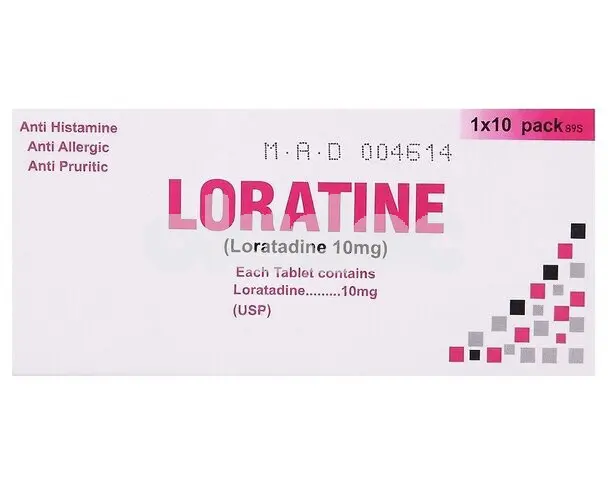
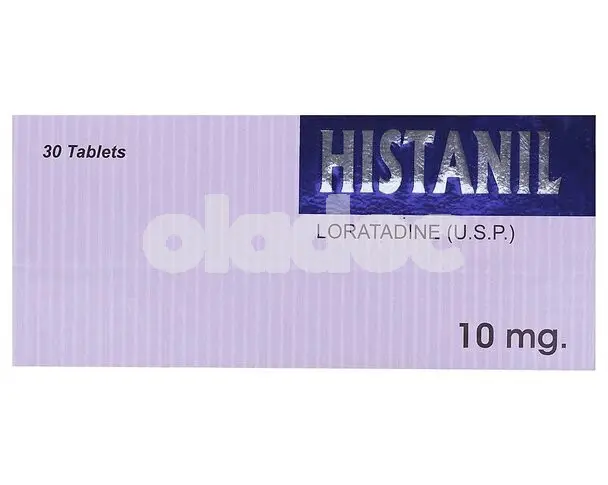
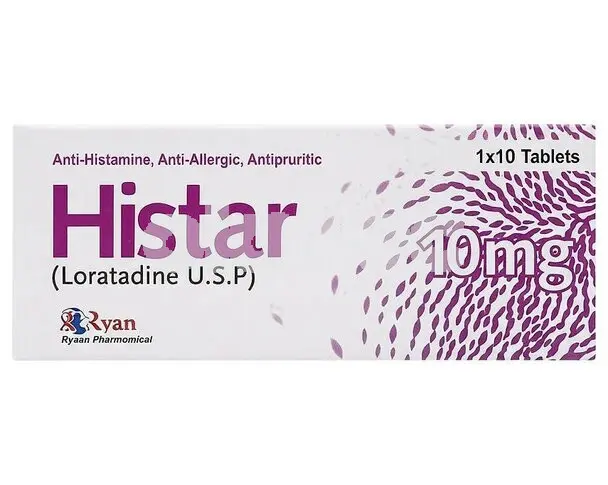
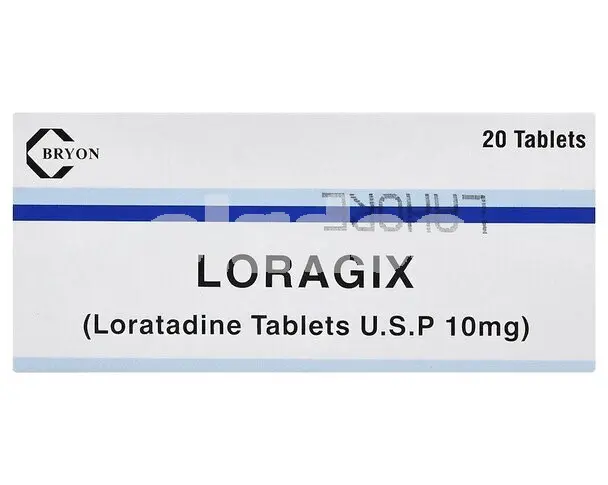
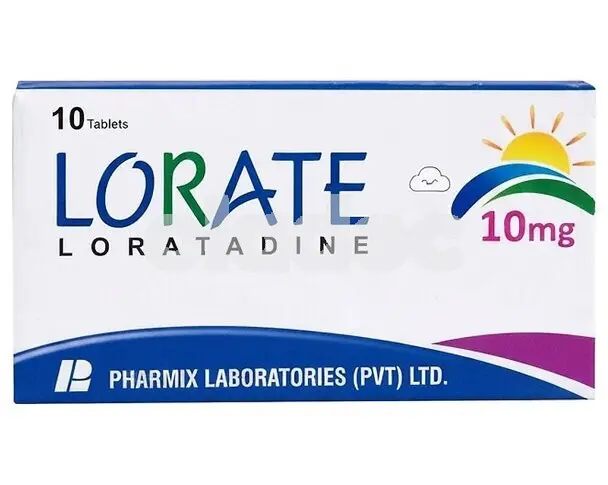
About Loratine tablet 10mg
Loratadine 10mg antihistamine tablet used for allergic rhinitis, hay fever, hives and seasonal allergy relief.
Loratine Tablet Uses
- Seasonal allergies like hay fever, with sneezing, runny nose and watery eyes.
- Year round allergies triggered by dust, mold or pet dander, common in Pakistani households.
- Chronic hives (urticaria) with itching, redness and skin swelling.
- Allergic conjunctivitis causing itchy, red or watery eyes.
Loratine Tablet Benefits
- Once daily dosing that lasts 24 hours, so timing is easy to remember.
- Non drowsy formula at the recommended dose for most adults and older children.
- Fast acting relief, often noticeable within one to three hours of the first dose.
- Affordable, widely available option for long term allergy control.
What Experts Say
Loratadine blocks histamine H1 receptors, which stops the itching, swelling and mucus production that histamine triggers during an allergic reaction. Since it does not cross into the brain easily at normal doses, it causes far less drowsiness than older antihistamines like chlorpheniramine.
Doctors across Pakistan see a sharp rise in allergy complaints during dusty, smoggy months, when pollen and particulate matter irritate the nose, throat and eyes. A daily antihistamine like loratadine is often the first step before a nasal spray or eye drops get added to the plan.
The tablet reaches peak effect within a few hours, and its benefit builds with steady daily use through the allergy season rather than occasional dosing. Missing doses lowers control, so most physicians recommend a fixed time each day instead of waiting for symptoms to flare first.
Loratine Tablet Uses in Urdu
- موسمی الرجی جیسے چھینکیں، ناک بہنا اور آنکھوں سے پانی آنا کم کرنے کے لیے۔
- دھول، مٹی یا جانوروں کے بالوں سے ہونے والی سال بھر کی الرجی کے لیے۔
- جلد پر خارش اور دانوں (چھپاکی) کی صورت میں آرام کے لیے۔
- الرجی کی وجہ سے آنکھوں کی سرخی اور خارش کم کرنے کے لیے۔
Loratine tablet 10mg formula
How to use Loratine tablet 10mg?
- One tablet, taken once daily, covers most adults and children above twelve years of age.
- A full glass of water helps the tablet go down comfortably, with or without food.
- The same time each day, morning or evening, keeps blood levels steady through allergy season.
- A missed dose is best taken as soon as it is remembered, unless the next dose is already close.
Drug Interactions
- Ketoconazole and Other Azole Antifungals: These raise loratadine levels in the blood by slowing its breakdown in the liver.
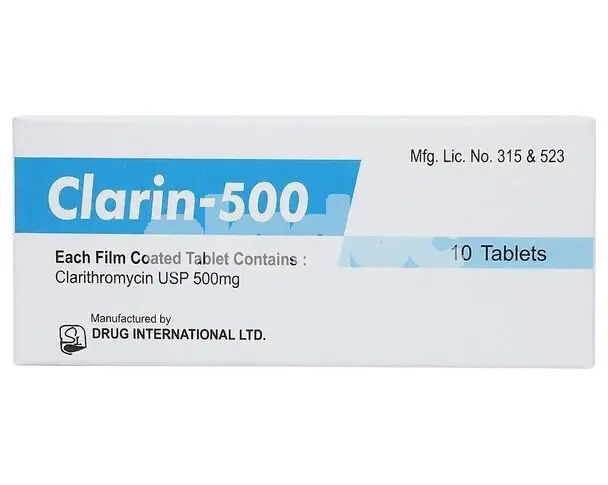
- Erythromycin and Similar Macrolide Antibiotics: These can also increase loratadine levels through the same liver enzyme pathway.
- Cimetidine: This ulcer medicine can raise loratadine concentration when taken together regularly.
- Alcohol and Sedating Medicines: Combined use can add to drowsiness in people who are sensitive to loratadine's mild sedating effect.
Risks and warnings
- Liver Disease: A lower dose or less frequent dosing may be needed, since loratadine is processed by the liver.
- Pregnancy and Breastfeeding: A doctor's advice is recommended before use, though loratadine is generally considered low risk.
- Children Under Two Years: Safety and correct dosing have not been well established in this age group.
- Kidney Disease: A reduced dose is sometimes advised in people with significant kidney impairment.
Loratine Tablet Side Effects
- Headache, dry mouth and mild fatigue are the most commonly reported effects.
- Drowsiness happens in a small number of users, even though the tablet is generally non sedating.
- Stomach upset or nausea can occur, usually mild and temporary.
- A fast heartbeat or allergic skin rash is rare, and either warrants stopping the tablet and seeking medical advice.
Storage Conditions
- Room temperature, away from direct heat and sunlight, keeps the tablets stable.
- The original blister strip protects tablets from moisture better than a loose container.
- A dry cupboard, out of the bathroom or kitchen, avoids humidity damage.
- A place out of children's reach prevents accidental ingestion.