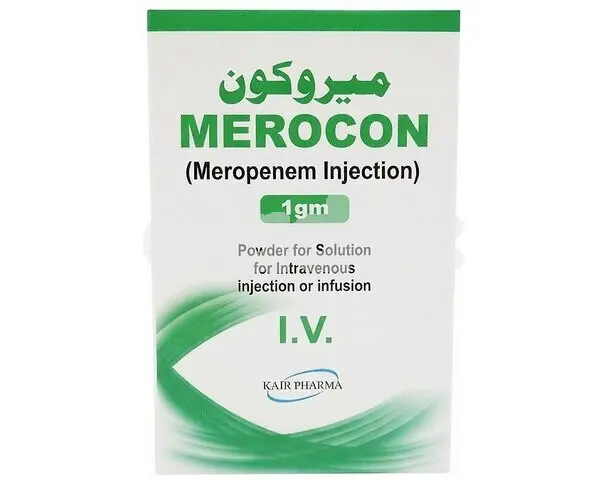
About Merocon injection 1gm
Meropenem carbapenem antibiotic injection used for severe, hospital treated bacterial infections.
Merocon injection 1gm Uses
- Treatment of severe pneumonia, including hospital acquired pneumonia.
- Treatment of complicated urinary tract infections.
- Treatment of complicated intra abdominal infections.
- Treatment of bacterial meningitis.
- Treatment of complicated skin and soft tissue infections.
- Treatment of septicemia caused by susceptible bacteria.
Merocon injection 1gm Benefits
- Broad spectrum activity that covers many gram positive, gram negative and anaerobic bacteria, including some Pseudomonas strains.
- Effective option for critically ill patients who need urgent, hospital based antibiotic coverage.
- Lower seizure risk compared with older carbapenems like imipenem, useful in patients with neurological conditions.
Drug Class
- Carbapenem class antibiotic with a broader spectrum than most penicillins and cephalosporins.
- It works by binding to penicillin binding proteins, which blocks bacterial cell wall formation and leads to bacterial death.
What Experts Say
Doctors across Pakistan turn to meropenem when an infection is severe enough to need broad, reliable coverage. This matters most in intensive care settings where the causative organism is not yet confirmed and empirical treatment cannot wait for lab results.
Its activity against Pseudomonas aeruginosa sets it apart from ertapenem. This makes meropenem the preferred carbapenem for hospital acquired infections where this organism is a common concern, especially in ventilated or critically ill patients.
Rising antibiotic resistance is a growing concern in Pakistani hospitals, so physicians generally reserve carbapenems like meropenem for confirmed or strongly suspected resistant infections. Kidney function is checked before dosing, since the drug clears through the kidneys and needs interval adjustment in renal impairment. Once culture results return, many doctors switch to a narrower antibiotic to limit further resistance.
Merocon injection 1gm Uses in Urdu
- شدید نمونیا سمیت پھیپھڑوں کے سنگین انفیکشن کے علاج کے لیے۔
- پیشاب کی نالی کے پیچیدہ انفیکشنز کے علاج کے لیے۔
- پیٹ کے اندرونی حصوں کے سنگین انفیکشن کے لیے۔
- دماغی جھلیوں کی سوزش کے علاج کے لیے۔
- خون میں پھیلنے والے انفیکشن کے علاج کے لیے۔
Merocon injection 1gm formula
How to use Merocon injection 1gm?
- This injection is given only by a doctor or trained healthcare provider in a hospital setting.
- The usual adult dose is 1gm every eight hours, given as an intravenous infusion or slow injection.
- Dosing frequency and duration depend on the type and severity of the infection being treated.
- The full prescribed course is completed even if symptoms improve early.
Drug Interactions
- Valproic Acid: Meropenem can sharply lower valproic acid blood levels, increasing the risk of breakthrough seizures.
- Probenecid: This drug slows meropenem clearance from the body and can raise its blood concentration.
- Live Bacterial Vaccines: Antibiotic treatment can reduce the effectiveness of live vaccines such as the oral typhoid vaccine.
- Other Nephrotoxic Drugs: Combined use with other kidney affecting medicines needs closer monitoring of kidney function.
Risks and warnings
- Allergy History: A known allergy to carbapenems, penicillins or other beta lactam antibiotics raises the risk of a serious allergic reaction.
- Seizure Disorders: Patients with epilepsy or other central nervous system conditions need close monitoring during treatment.
- Kidney Impairment: Reduced kidney function requires a dose or interval adjustment by the treating doctor.
- Valproic Acid Use: Patients taking valproic acid for seizure control usually need an alternative antibiotic, since meropenem can sharply lower valproic acid levels.
Merocon injection 1gm Side Effects
- Pain, redness or swelling at the injection site
- Diarrhea
- Nausea and vomiting
- Headache
- Rash or itching
- Constipation
- Elevated liver enzymes on blood tests
- Seizures in patients with existing neurological conditions
- Severe allergic reaction with facial swelling and difficulty breathing
- Persistent diarrhea that can indicate Clostridioides difficile colitis
Storage Conditions
- Unopened vials should be stored at room temperature, below 25°C, away from direct light.
- Reconstituted solution should be used within one hour if kept at room temperature.
- Refrigerated reconstituted solution can be kept for the period specified on the product label.
- Any unused, reconstituted solution left over after use should be discarded and not reused.