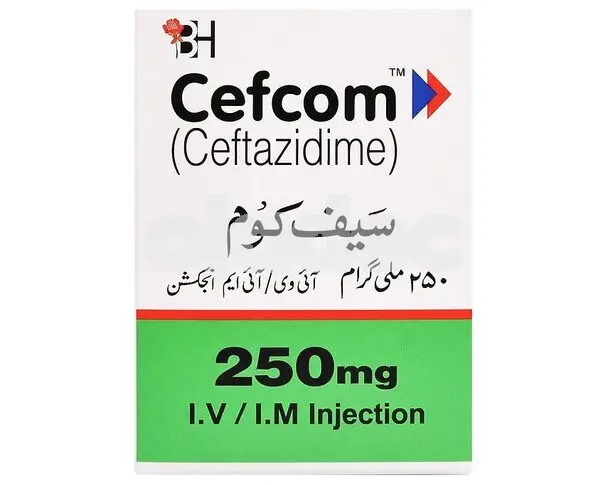
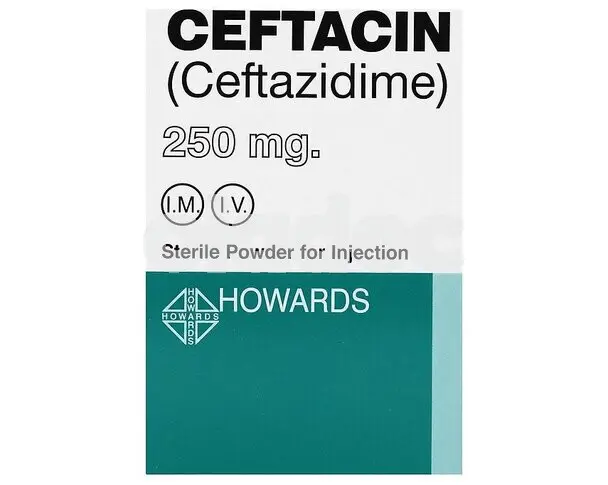
About Mitaz Injection 1gm
Mitaz Injection 1gm contains Ceftazidime, a third generation cephalosporin used for serious gram negative infections.
Mitaz Injection 1gm Uses
- Treatment of severe pneumonia and other lower respiratory tract infections
- Complicated urinary tract infections including pyelonephritis
- Bacterial meningitis caused by susceptible organisms
- Septicemia and bloodstream infections in hospitalized patients
- Complicated skin and soft tissue infections
- Intra abdominal infections including peritonitis
- Bone and joint infections
- Infections in patients with febrile neutropenia
Mitaz Injection 1gm Benefits
- Provides strong coverage against Pseudomonas aeruginosa, a difficult hospital pathogen
- Works well against many gram negative bacteria resistant to older antibiotics
- Penetrates into cerebrospinal fluid, useful in meningitis treatment
- Suitable for critically ill patients in intensive care settings
- Can be combined with other antibiotics for broad empiric coverage
- Remains stable against many beta lactamase enzymes produced by resistant bacteria
What Experts Say
Physicians reserve ceftazidime for infections where resistant gram negative organisms are suspected or confirmed, particularly Pseudomonas aeruginosa. Its stability against many beta lactamase enzymes makes it a dependable option when first line antibiotics have already failed or when local resistance patterns make empiric coverage necessary.
Hospital doctors often select this drug for patients in intensive care, those with febrile neutropenia, or those recovering from major surgery who develop fever without a clear source. The intravenous route ensures reliable blood levels, and the drug's ability to cross into cerebrospinal fluid supports its use in suspected meningitis.
Dose adjustment is essential in patients with reduced kidney function, since ceftazidime is eliminated almost entirely through the kidneys and accumulation can trigger seizures. Regular monitoring of renal function and clinical response guides how long treatment continues, and doctors typically reassess after the first few doses to confirm the chosen regimen is working.
Drug Class
- Third Generation Cephalosporin
- Beta Lactam Antibiotic
- Antipseudomonal Cephalosporin
Mitaz Injection 1gm Uses in Urdu
- نمونیا اور سانس کی نالی کے شدید انفیکشن کے علاج کے لیے
- پیشاب کی نالی کے پیچیدہ انفیکشن کے لیے
- دماغی جھلی کے انفیکشن یعنی مینن جائٹس کے لیے
- خون میں پھیلنے والے شدید انفیکشن یعنی سیپٹی سیمیا کے لیے
- جلد اور نرم بافتوں کے پیچیدہ انفیکشن کے لیے
- پیٹ کے اندرونی انفیکشن کے لیے
- ہڈیوں اور جوڑوں کے انفیکشن کے لیے
Mitaz Injection 1gm formula
How to use Mitaz Injection 1gm?
- Given only by a doctor or trained healthcare worker in a hospital or clinic setting
- Administered as a slow intravenous injection, intravenous infusion, or deep intramuscular injection
- Dose and frequency depend on the type and severity of infection and on kidney function
- Vial is reconstituted with sterile water or saline immediately before use
- Course length is decided by the treating doctor based on clinical response
- Complete the full prescribed course even if symptoms improve early
Drug Interactions
- Aminoglycoside Antibiotics: Combined use raises the risk of kidney damage, kidney function is monitored closely
- Loop Diuretics: Furosemide and similar diuretics can add to the risk of kidney toxicity
- Chloramphenicol: May reduce the antibacterial effect of ceftazidime when given together
- Blood Thinners: May increase bleeding risk in patients already on anticoagulant therapy
- Probenecid: Can raise ceftazidime blood levels by slowing its removal from the body
Risks and warnings
- Allergy: Avoid if there is a known allergy to ceftazidime or any other cephalosporin antibiotic
- Penicillin Allergy: Use with caution in patients with a severe penicillin allergy due to possible cross reaction
- Kidney Disease: Dose must be reduced in patients with impaired kidney function to prevent toxic buildup
- Seizure Risk: High doses in patients with kidney failure can trigger seizures or confusion
- Diarrhea: Report severe or persistent diarrhea, which can signal a serious intestinal infection
- Pregnancy: Use only if the treating doctor considers it clearly necessary
- Breastfeeding: Small amounts pass into breast milk, discuss with a doctor before use
Mitaz Injection 1gm Side Effects
- Pain, redness, or swelling at the injection site
- Nausea or vomiting
- Diarrhea
- Skin rash or itching
- Headache
- Vein inflammation at the infusion site
- Temporary rise in liver enzymes
- Severe allergic reaction with swelling of the face or throat
- Severe watery or bloody diarrhea from intestinal infection
- Seizures, mainly in patients with reduced kidney function
- Unusual bleeding or bruising
Storage Conditions
- Store the unopened vial below 25 degrees Celsius, away from direct sunlight
- Keep in its original carton until ready for reconstitution
- Use the reconstituted solution promptly, as advised by the pharmacist or hospital staff
- Discard any leftover reconstituted solution, do not save it for later use
- Keep out of reach of children
- Do not use if the vial shows discoloration or particles after reconstitution