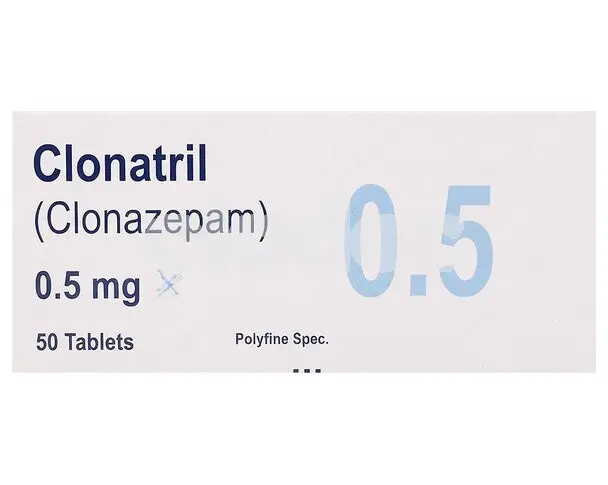
About Naze Tablet 5 mg
An anti-epileptic tablet that helps control seizures and certain anxiety disorders in adults.
Naze Tablet Uses
- Absence seizures in epilepsy, also called petit mal seizures
- Myoclonic and akinetic seizure types
- Adjunct therapy for Lennox Gastaut syndrome
- Panic disorder with or without agoraphobia
- Certain treatment resistant seizure patterns
Naze Tablet Benefits
- Fewer seizure episodes with regular use
- Calmer brain activity through GABA receptor action
- Relief from panic attack symptoms like breathlessness and rapid heartbeat
- Fast absorption for quicker symptom control
- Flexible dosing across multiple available strengths
What Experts Say
Neurologists explain that clonazepam works by binding to the GABA-A receptor complex in the brain. This action increases chloride ion flow into neurons, which calms overactive electrical signaling in the brain. By stabilizing this activity, the medicine raises the seizure threshold and helps prevent the abnormal discharges that trigger seizures.
Doctors note that a 5 mg strength is considered a higher dose and is usually reserved for patients who need larger total daily amounts split across several doses, or for severe seizure disorders that have not responded well to lower strengths. Physicians stress that treatment should start low and increase gradually, since sudden jumps in dose raise the risk of drowsiness and poor coordination.
Clinicians also caution that clonazepam carries a real risk of tolerance and physical dependence with prolonged use, so therapy is reviewed regularly during follow up visits. Sudden discontinuation can trigger withdrawal seizures, which is why experts recommend a slow, supervised taper rather than stopping the tablet abruptly once treatment is no longer needed.
Drug Class
- Benzodiazepine anticonvulsant
Naze Tablet 5 mg Uses in Urdu
- مرگی کے دورے کنٹرول کرنے کے لیے
- مایوکلونک اور غیر حرکتی دوروں کے علاج میں
- پینک ڈس آرڈر کی علامات کم کرنے کے لیے
- دورے کی شدت اور تعداد کم کرنے کے لیے
How to use Naze Tablet 5 mg?
- This tablet should be taken exactly as prescribed by your doctor
- The tablet should be swallowed whole with a glass of water
- A fixed time each day helps maintain steady blood levels
- Crushing or chewing the tablet is not recommended unless advised by your doctor
- Sudden discontinuation without medical advice should be avoided
Drug Interactions
- Opioids: Combined use increases the risk of severe sedation, slowed breathing, and death
- Other Benzodiazepines: Combined use raises the risk of excessive drowsiness and respiratory depression
- Alcohol: This combination increases central nervous system depression and sedation
- Antifungal Medicines: Drugs like ketoconazole can raise clonazepam levels in the blood
- Antidepressants: Certain SSRIs and SNRIs may increase sedative effects when combined
- Antiepileptic Drugs: Carbamazepine and phenytoin can lower clonazepam levels and reduce its effect
Risks and warnings
- Sedation: This medicine causes drowsiness, so driving or operating machinery should be avoided until its effects are known
- Dependence: Long term use can lead to tolerance and physical dependence
- Pregnancy: This medicine should only be used if clearly needed, since clonazepam may affect the unborn baby
- Breastfeeding: This medicine is best avoided while breastfeeding, as it passes into breast milk
- Respiratory Conditions: Caution is needed in patients with breathing problems like severe asthma or sleep apnea
- Elderly Patients: Older adults are more sensitive to sedative effects and fall risk
Naze Tablet Side Effects
- Drowsiness
- Dizziness
- Fatigue
- Muscle weakness
- Poor coordination
- Memory problems
- Mood changes
- Slurred speech
Storage Conditions
- Store below 25°C in a cool, dry place
- Keep the tablet in its original blister pack until use
- Protect from direct sunlight and moisture
- Keep out of reach of children
- Dispose of expired tablets safely, do not flush down the toilet