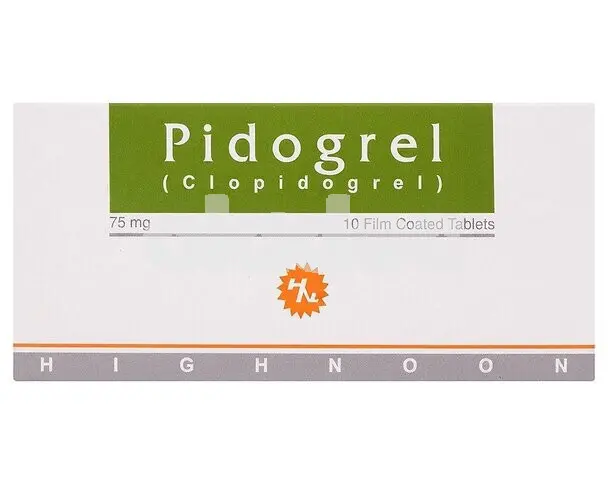
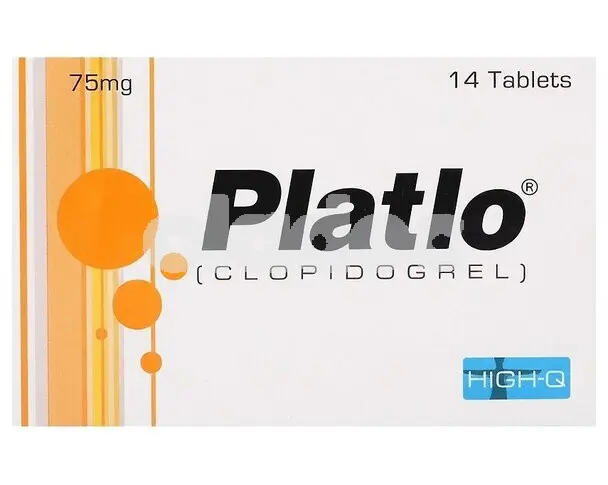
About Pidogrel Tablet 75mg
Pidogrel (Clopidogrel) is an antiplatelet tablet used to prevent clots after heart attack or stroke.
Pidogrel Tablet Uses
- Prevention of blood clots after a heart attack or acute coronary syndrome
- Used after coronary stent placement to keep the stent open
- Prevention of recurrent stroke in people with a history of ischemic stroke
- Used in peripheral arterial disease to lower clot related complications
Pidogrel Tablet Benefits
- Lowers the chance of a repeat heart attack or stroke
- Helps keep stents open by preventing platelet clumping at the stent site
- Once daily dosing makes long term use straightforward
- Often combined with aspirin for a defined period after cardiac events
Drug Class
- P2Y12 platelet inhibitor
- Antiplatelet agent, thienopyridine class
What Experts Say
Doctors prescribe clopidogrel to lower the risk of repeat clots after a heart attack, stroke or stent placement, since it blocks platelets from sticking together. Cardiologists weigh bleeding risk against clotting risk before starting it, because the same platelet blocking effect that prevents clots also raises bruising and bleeding tendency.
Specialists often combine it with aspirin for a defined period after a stent or acute coronary event, then reassess whether dual therapy should continue or drop to a single agent. Duration depends on stent type, bleeding history and how recent the cardiac event was, so doses are rarely changed without cardiology input.
Physicians also consider interacting medications carefully, since certain acid reducing drugs and other blood thinners can change how well clopidogrel protects against clots. Most experts view long term use as a balance revisited at follow up visits, with routine blood counts helping catch bleeding problems early.
Pidogrel Tablet 75mg Uses in Urdu
- دل کے دورے یا فالج کے بعد خون کے لوتھڑے بننے سے روکنے کے لیے
- سٹینٹ لگنے کے بعد شریان کھلی رکھنے میں مدد کے لیے
- خون کی نالیوں کی بیماری میں لوتھڑے کا خطرہ کم کرنے کے لیے
Pidogrel Tablet 75mg formula
How to use Pidogrel Tablet 75mg?
- Take Pidogrel once daily, exactly as prescribed by the doctor
- Swallow the tablet whole with water, with or without food
- Take at the same time each day to keep blood levels steady
- Do not stop taking it suddenly, especially after a recent stent
- Inform every doctor or dentist about this medicine before any procedure
Drug Interactions
- Proton Pump Inhibitors: Certain PPIs like omeprazole may reduce how well clopidogrel is activated in the body
- Other Blood Thinners: Combining with aspirin, warfarin or NSAIDs raises bleeding risk
- NSAIDs: Regular use of pain relievers like ibuprofen increases gastrointestinal bleeding risk
- SSRIs: Certain antidepressants may add to bleeding risk when combined
Risks and warnings
- Bleeding Risk: Increases the risk of bruising and prolonged bleeding from cuts or injuries
- Surgery or Dental Work: Usually needs to be paused before planned procedures under doctor guidance
- Stomach Ulcers: Higher risk of gastrointestinal bleeding in people with a history of ulcers
- Stent Patients: Stopping early after a stent can raise the risk of sudden clot formation
- Pregnancy and Breastfeeding: Use only if the doctor determines benefits outweigh risks
Pidogrel Tablet 75mg Side Effects
- Bruising
- Bleeding gums
- Nosebleeds
- Stomach upset
- Diarrhea
- Rash
- Dizziness
- Prolonged bleeding from cuts
Storage Conditions
- Store below 30°C in a cool, dry place away from direct heat
- Keep tablets in the original blister strip until use
- Protect from moisture and direct sunlight
- Keep out of reach of children