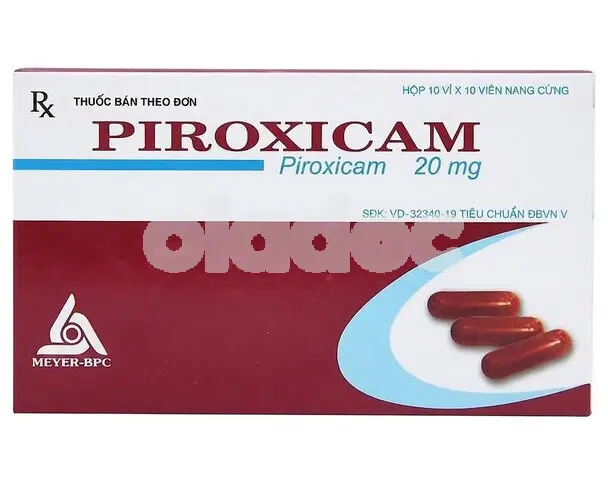
About Piroxicam 20mg Capsule
Prescription NSAID capsule for arthritis pain and joint stiffness relief.
Uses
- Rheumatoid arthritis
- Osteoarthritis
- Ankylosing spondylitis
- Acute musculoskeletal sprains and pain
- Primary dysmenorrhea (painful periods)
Benefits
- Long acting formula allows once daily dosing for steady pain control
- Reduces joint swelling and morning stiffness in chronic arthritis
- Provides effective relief for short courses of acute pain and inflammation
What Experts Say
Piroxicam belongs to the oxicam class of NSAIDs and works by blocking cyclooxygenase enzymes that produce pain causing prostaglandins. Its long half life allows once daily dosing, but this same property means the drug stays in the body longer, raising the chance of side effects building up with continued use.
Rheumatology guidelines generally rank piroxicam among the NSAIDs with the highest risk of stomach ulcers and gastrointestinal bleeding, higher than ibuprofen, diclofenac or naproxen. Regulatory bodies in several countries restrict its use to second line therapy and recommend the lowest effective dose for the shortest possible time.
Doctors typically avoid prescribing piroxicam for long term daily use, especially in elderly patients or those with a history of ulcers, heart disease or kidney problems. Patients are usually advised to take it with food and report any black stools, severe stomach pain or unusual bruising right away.
Drug Class
- Non-Steroidal Anti-Inflammatory Drug (NSAID)
- Oxicam derivative
Piroxicam 20mg Capsule Uses in Urdu
- رمیٹی سندشوت (رمیٹائیڈ آرتھرائٹس)
- جوڑوں کی سوزش اور اوسٹیوآرتھرائٹس
- ریڑھ کی ہڈی کی سوزش (اینکائیلوزنگ اسپونڈلائٹس)
- پٹھوں اور جوڑوں کی اچانک تکلیف یا موچ
- ماہواری کے دوران شدید درد
Piroxicam 20mg Capsule formula
How to use Piroxicam 20mg Capsule?
- Take Piroxicam 20mg Capsule exactly as prescribed by your doctor
- Swallow the capsule whole with a full glass of water
- Take it with food or milk to reduce stomach irritation
- Use the lowest effective dose for the shortest possible time
- Do not exceed one capsule per day unless your doctor advises otherwise
- Do not stop or change the dose without consulting your doctor
Drug Interactions
- Other NSAIDs or Aspirin: Combining increases the risk of stomach ulcers and gastrointestinal bleeding.
- Anticoagulants (Warfarin, Heparin): Raises the risk of serious bleeding when taken together.
- ACE Inhibitors and Diuretics: May reduce their blood pressure lowering effect and impair kidney function.
- Lithium: Piroxicam can raise lithium levels in the blood, increasing the risk of toxicity.
- Methotrexate: May increase methotrexate levels and the risk of toxicity.
- Corticosteroids: Combined use further raises the risk of GI ulcers and bleeding.
- SSRIs (Antidepressants): May add to the risk of gastrointestinal bleeding.
Risks and warnings
- Elevated GI Bleeding Risk: Piroxicam carries a notably higher risk of stomach ulcers, bleeding and perforation than most other NSAIDs, and is generally reserved for short term or second line use.
- Cardiovascular Risk: Long term use may raise the risk of heart attack, stroke and high blood pressure, especially in patients with existing heart disease.
- Elderly Patients: Older adults are more prone to serious GI, kidney and cardiovascular complications, so extra caution and closer monitoring are needed.
- Kidney Function: May reduce kidney blood flow and worsen existing kidney disease, particularly with prolonged use or dehydration.
- Pregnancy: Should be avoided, especially in the third trimester, due to risks to the unborn baby.
- Liver Impairment: Use with caution in patients with liver disease, as NSAIDs can affect liver enzymes.
Piroxicam 20mg Capsule Side Effects
- Stomach pain, heartburn or indigestion
- Nausea or vomiting
- Diarrhea or constipation
- Dizziness or headache
- Fluid retention or swelling in the legs
- Gastrointestinal bleeding or ulceration, which can appear as black stools or vomiting blood
- Skin rash or itching
- Ringing in the ears
- Shortness of breath or chest pain
- Unusual bruising or bleeding
- Yellowing of skin or eyes (signs of liver problems)
Storage Conditions
- Store the capsules at room temperature, below 30 degrees Celsius
- Keep the strip in its original packaging away from moisture and light
- Keep out of reach of children
- Avoid storing in the bathroom or near direct heat
- Discard capsules after the printed expiry date