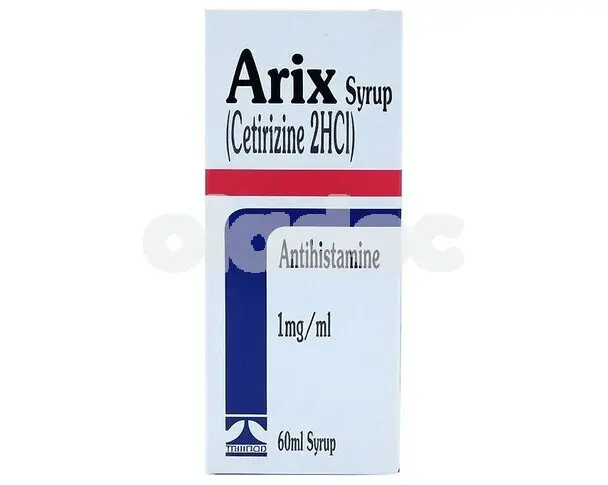
About Rex Tablet 10mg
Rex is an antihistamine composed of Cetirizine. It is indicated to relieve allergy symptoms.
Rex Tablet Uses
- Seasonal allergic rhinitis (hay fever) causing sneezing, runny nose, nasal congestion, and itchy or watery eyes.
- Perennial allergic rhinitis triggered by year-round allergens such as dust mites, pet dander, and mold.
- Acute and chronic urticaria (hives) presenting as raised, red, itchy welts on the skin.
- Allergic skin reactions including contact dermatitis and pruritus.
- Angioedema (swelling under the skin) associated with allergic reactions.
- Allergic conjunctivitis causing redness, itching, and watering of the eyes.
- Relief from allergy symptoms triggered by insect bites or stings.
Rex Tablet Benefits
- Provides 24-hour allergy relief from a single once-daily dose, eliminating the need for multiple daily doses.
- Causes significantly less drowsiness than first-generation antihistamines such as Chlorphenamine, making it suitable for daytime use.
- Starts working within 1 hour of taking the dose and reaches peak effect within 1 to 3 hours.
- Effective for both nasal and skin allergy symptoms, covering a broader range of presentations than single-target antihistamines.
- Suitable for adults and children above 6 years, making it a practical choice for household allergy management.
What Experts Say
Rex contains Cetirizine Dihydrochloride, a second-generation H1 receptor antagonist. Cetirizine works by selectively and competitively blocking peripheral H1 histamine receptors. When the immune system encounters an allergen, mast cells and basophils release histamine, which binds to H1 receptors in the nasal mucosa, skin, and eyes, triggering the familiar symptoms of sneezing, itching, nasal congestion, and urticaria. By occupying these receptors before histamine can bind, Cetirizine prevents the allergic response from occurring.
Compared to first-generation antihistamines such as Chlorphenamine and Promethazine, Cetirizine crosses the blood-brain barrier to a significantly lesser degree due to its lower lipophilicity and active efflux by P-glycoprotein at the brain endothelium. This pharmacokinetic profile is responsible for its reduced sedative effect. However, Cetirizine is not completely non-sedating, and at the 10mg dose, mild drowsiness may occur in approximately 10 to 15 percent of patients, particularly those sensitive to central nervous system effects.
Cetirizine is excreted primarily via the kidneys. In patients with renal impairment, the half-life extends significantly and the dose should be reduced. Clinicians managing elderly patients or those with kidney disease should adjust the dose to 5mg once daily and monitor for sedation. Cetirizine is not recommended for use in patients with severe renal impairment (creatinine clearance below 10 mL per minute). Unlike some antihistamines, Cetirizine does not significantly inhibit or induce hepatic CYP enzymes, which limits its potential for metabolic drug interactions.
Drug Class
- Second-Generation Antihistamine.
- H1 Receptor Antagonist.
Packaging and Quantity
- 1 pack contains 10 tablets.
- 1 strip of 10 tablets per pack.
When Not to Use Rex
- Known allergy or hypersensitivity to Cetirizine, Hydroxyzine, or any ingredient in the tablet.
- Severe kidney impairment with creatinine clearance below 10 mL per minute.
- Children under 2 years of age.
- Patients requiring activities demanding full mental alertness where even mild drowsiness would be hazardous.
Rex Tablet Uses in Urdu
ریکس ٹیبلٹ کو درج ذیل حالات میں استعمال کیا جاتا ہے:
- موسمی اور سال بھر رہنے والی الرجک ناک کی سوزش (چھینکیں، ناک بہنا، آنکھوں میں خارش)۔
- چھپاکی (Urticaria) یعنی جلد پر سرخ، خارش زدہ ابھار۔
- الرجک آنکھوں کی سوزش اور آنکھوں میں پانی آنا۔
- کیڑے کے کاٹنے یا ماحولیاتی الرجی سے ہونے والی جلد کی الرجی۔
- جلد کی خارش اور ورم (Angioedema) کا علاج۔
How to use Rex Tablet 10mg?
- Rex may be taken with or without food.
- The tablet should be swallowed whole with a full glass of water.
- Rex should be taken at the same time each day for consistent allergy protection.
- Alcohol should be avoided during treatment as it can enhance the sedative effect of Cetirizine.
- The standard adult dose is 10mg once daily. In patients with mild to moderate kidney impairment, 5mg once daily is recommended.
- The dose should not be increased without consulting a doctor, as higher doses increase the risk of sedation without improving allergy control.
Drug Interactions
Cetirizine has a limited drug interaction profile due to its minimal hepatic metabolism. However, the following interactions should be noted:
- Alcohol: Concurrent use enhances CNS depression and increases the risk of drowsiness and impaired coordination. Alcohol must be avoided during treatment.
- Central nervous system depressants: Such as sedatives, anxiolytics, and sleep medicines: combining with Cetirizine increases sedation.
- Theophylline: At high doses, Theophylline may reduce the clearance of Cetirizine slightly, increasing its blood levels.
- Ritonavir: This antiretroviral has been shown to increase Cetirizine blood levels by approximately 40% in pharmacokinetic studies. Dose reduction may be required.
Risks and warnings
- Pregnancy: the safety of Cetirizine during pregnancy has not been fully established. It should only be used during pregnancy if the prescribing doctor determines the benefit clearly outweighs the risk.
- Breastfeeding: Cetirizine passes into breast milk. Breastfeeding is not recommended during treatment with Rex.
- Kidney disease: Cetirizine is primarily excreted by the kidneys. Patients with renal impairment require dose reduction. Rex is contraindicated in severe renal failure.
- Elderly patients: older adults are more susceptible to the sedative effects of Cetirizine. The 5mg dose is preferable in patients above 65 years.
- Driving and machinery: Rex may cause mild drowsiness in some patients. Caution is advised when driving or operating heavy machinery until the individual response to the medicine is known.
- Alcohol: concurrent alcohol use significantly increases the risk of sedation and impaired coordination. Alcohol must be avoided throughout treatment.
- Children: Rex 10mg is not recommended for children under 6 years. Children aged 6 to 12 years should take 5mg (half a tablet) once daily.
Rex Tablet Side Effects
Most patients tolerate Rex well at the recommended dose. Side effects are uncommon and generally mild.
- Mild drowsiness or fatigue, particularly in the first few days of treatment.
- Dry mouth.
- Nausea or mild stomach discomfort.
- Pharyngitis (sore throat).
Serious side effects are rare. Medical attention should be sought immediately if any of the following occur:
- Severe allergic reaction including facial swelling, difficulty breathing, or widespread rash.
- Irregular or fast heartbeat.
- Significant difficulty urinating, which may indicate urinary retention.
- Seizures in patients with pre-existing seizure disorders.
Storage Conditions
- Store at room temperature, below 25°C.
- Keep away from direct sunlight, heat, and moisture.
- Store in the original packaging to protect from humidity.
- Keep out of reach and sight of children.
- Do not use after the expiry date printed on the packaging.
- Do not store in the bathroom or near a kitchen sink.