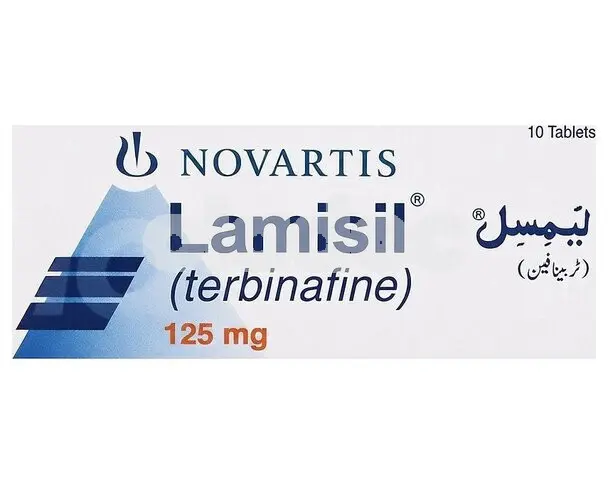
About Terbin-Ds Tablet 250mg
An oral antifungal tablet used to treat fungal skin, hair, and nail infections.
Terbin-Ds Tablet Uses
- Fungal infections of the fingernails and toenails (onychomycosis).
- Ringworm infections of the skin, including the body, groin, and feet.
- Scalp fungal infections in cases that do not respond to topical treatment alone.
- Stubborn skin fungal infections common in hot, humid weather.
Terbin-Ds Tablet Benefits
- Reaches the infection through the bloodstream, useful when creams alone are not enough.
- Once daily dosing makes it easier to complete a full treatment course.
- Continues working in nail tissue for weeks after the course ends.
- Generally well tolerated compared with some older oral antifungal medicines.
What Experts Say
Terbinafine works by blocking an enzyme fungi need to build their cell membrane, which weakens and eventually kills the fungal cells. Because it collects in skin, hair, and nail tissue at levels higher than in blood, it keeps working against infection even after the tablets are finished.
Doctors often prefer oral terbinafine for nail and scalp fungal infections because topical treatments struggle to penetrate thick nail plates or hair follicles. Treatment courses can run from several weeks for skin infections to a few months for nail infections.
Because rare liver problems have been linked to terbinafine, doctors usually check liver function before starting treatment and may repeat tests during longer courses. Patients are advised to report unusual tiredness, nausea, or yellowing of the skin right away. Patients are encouraged to avoid alcohol during treatment, since both the liver and the medicine are processed through similar pathways.
Drug Class
Terbin-Ds Tablet 250mg Uses in Urdu
- ہاتھ پاؤں کے ناخنوں کی فنگل انفیکشن کے علاج کے لیے۔
- جسم، سر اور رانوں کی جلد پر داد کے علاج میں۔
- سر کی جلد کی فنگل انفیکشن جب کریم سے فائدہ نہ ہو۔
- گرم اور مرطوب موسم میں بار بار ہونے والی فنگل انفیکشن کے لیے۔
Terbin-Ds Tablet 250mg formula
How to use Terbin-Ds Tablet 250mg?
- One tablet daily, or as directed by the doctor, with or without food, is the usual routine.
- The tablet is swallowed whole with a full glass of water.
- The full course matters even if the infection appears to clear early.
- A consistent daily time keeps a steady level of the medicine in the body.
Drug Interactions
- Warfarin: Can change the blood thinning effect, so clotting levels may need closer monitoring.
- Rifampicin: Lowers terbinafine levels in the blood and can reduce its effectiveness.
- Cimetidine: Can raise terbinafine levels in the body.
- Tricyclic Antidepressants and Beta Blockers: Terbinafine can raise blood levels of certain drugs processed by the same liver enzyme.
Risks and warnings
- Liver Injury: Rare but serious liver problems have been reported, so unusual fatigue, jaundice, or dark urine need urgent medical review.
- Taste and Smell Changes: Long courses can cause a reduced or altered sense of taste, which may take months to recover.
- Skin Reactions: Severe skin reactions, though rare, require stopping the medicine immediately.
- Blood Count Changes: Long term use can rarely affect white blood cell counts, so monitoring may be advised for extended courses.
- Liver Disease: Should be avoided or used cautiously in people with existing chronic liver disease.
Terbin-Ds Tablet Side Effects
- Headache or mild stomach upset.
- Nausea, diarrhea, or a feeling of fullness.
- Changed or reduced sense of taste.
- Mild skin rash or itching.
- Rare but serious liver problems, including jaundice.
- Severe allergic skin reactions, which need immediate medical attention.
Storage Conditions
- Store below 30°C in a dry place.
- Keep the tablets in the original blister pack away from moisture.
- Keep out of reach of children.