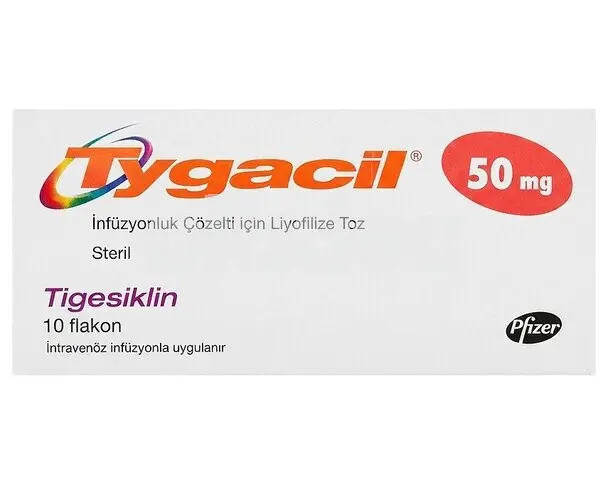
About Tygacil Injection 50mg
Tygacil Injection 50mg contains Tigecycline, a reserve IV antibiotic for resistant infections.
Tygacil Injection Uses
- Treats complicated skin and skin structure infections caused by susceptible bacteria
- Treats complicated intra abdominal infections
- Treats community acquired bacterial pneumonia in adults
- Used for infections caused by multidrug resistant organisms when other antibiotics are not suitable
Tygacil Injection Benefits
- Active against a broad range of gram positive and gram negative bacteria, including MRSA
- Retains activity against many multidrug resistant strains such as ESBL producing organisms
- Works against bacteria resistant to standard tetracycline antibiotics
- Gives doctors a treatment option when first line and second line antibiotics have failed
What Experts Say
Doctors classify tigecycline as a reserve antibiotic under the WHO AWaRe framework, meaning it is kept back for infections that no longer respond to first line drugs. Physicians in Pakistan increasingly rely on it for hospitalized patients with confirmed multidrug resistant organisms.
The FDA boxed warning on tigecycline shows a higher mortality risk compared to other antibiotics in trials for certain infections, so specialists reserve it for cases where safer alternatives are not suitable. Correct dosing with a loading dose followed by maintenance infusions, and close monitoring for liver function, remain central to safe use.
Antimicrobial resistance is a growing concern across Pakistani hospitals, driven partly by inconsistent antibiotic stewardship and frequent misuse of broad spectrum drugs. Infectious disease physicians stress that tigecycline should only start after microbiology confirms a resistant organism, protecting its usefulness for future patients.
Drug Class
- Glycylcycline antibiotic
- Structurally related to the tetracycline class
- Broad spectrum bacteriostatic agent
- Classified as a reserve antibiotic under antimicrobial stewardship guidelines
Tygacil Injection 50mg Uses in Urdu
- پیچیدہ جلدی انفیکشنز کے علاج کے لیے
- پیٹ کے پیچیدہ انفیکشنز کے علاج کے لیے
- کمیونٹی سے حاصل ہونے والے بیکٹیریل نمونیا کے علاج کے لیے
- ایسے مزاحم بیکٹیریا کے انفیکشن کے لیے جب دوسری اینٹی بائیوٹکس کارگر نہ ہوں
Tygacil Injection 50mg formula
How to use Tygacil Injection 50mg?
- Administered only as a slow intravenous infusion by a doctor or trained healthcare professional in a hospital setting
- Not for self administration, oral use, or intramuscular injection
- Usual initial loading dose is 100mg given as a single intravenous infusion
- Followed by a maintenance dose of 50mg intravenously every 12 hours
- Each infusion is given over approximately 30 to 60 minutes
- Course duration and total number of doses are decided by the treating specialist based on the infection and response to treatment
Drug Interactions
- Warfarin: Tigecycline can increase warfarin blood levels and raise INR, so clotting tests should be monitored closely during and after treatment.
- Oral Contraceptives: May reduce the effectiveness of hormonal birth control, so an additional non hormonal method is advised during treatment.
- Other Hepatotoxic Medicines: Combining tigecycline with other drugs that stress the liver can increase the risk of liver injury and requires closer monitoring.
Risks and warnings
- Increased Risk Of Death: Clinical trials showed a higher rate of death with tigecycline compared to other antibiotics used for certain infections, so it is reserved for situations where alternative treatments are not suitable.
- Not For Hospital Acquired Pneumonia: Tigecycline showed lower success rates in ventilator associated pneumonia and is not recommended for this use.
- Liver Problems: Can cause abnormal liver function or worsening hepatic impairment, requiring dose adjustment and monitoring in patients with severe liver disease.
- Pancreatitis: Rare but serious inflammation of the pancreas has been reported, sometimes fatal, and should be considered if unexplained abdominal pain or raised enzyme levels occur.
- Tooth Discoloration: May cause permanent yellow, gray, or brown discoloration of teeth if used in children under eight years or during the last half of pregnancy.
- Pregnancy Caution: Should be avoided in pregnancy unless clearly necessary, since tetracycline class antibiotics can affect fetal bone and tooth development.
- Allergic Reactions: Patients with a known allergy to tetracycline antibiotics may also react to tigecycline due to structural similarity.
- Clostridioides Difficile Diarrhea: Can cause severe diarrhea from bacterial overgrowth, ranging from mild to life threatening colitis, even weeks after treatment ends.
Tygacil Injection Side Effects
- Nausea, occurring very commonly during infusion
- Vomiting
- Diarrhea
- Abdominal pain
- Headache
- Loss of appetite
- Injection site pain, redness, or swelling
- Elevated liver enzymes on blood tests
- Low blood pressure
- Allergic skin reactions such as rash or itching
Storage Conditions
- Store unopened vials in a refrigerator between 2°C and 8°C
- Protect vials from light and keep in the original carton until use
- Reconstituted solution may be used immediately or stored for up to 24 hours, part of that time under refrigeration if not used right away
- Do not freeze the reconstituted solution
- Discard any unused portion after a single use, do not reuse a vial
- Keep out of reach of children and away from direct heat