




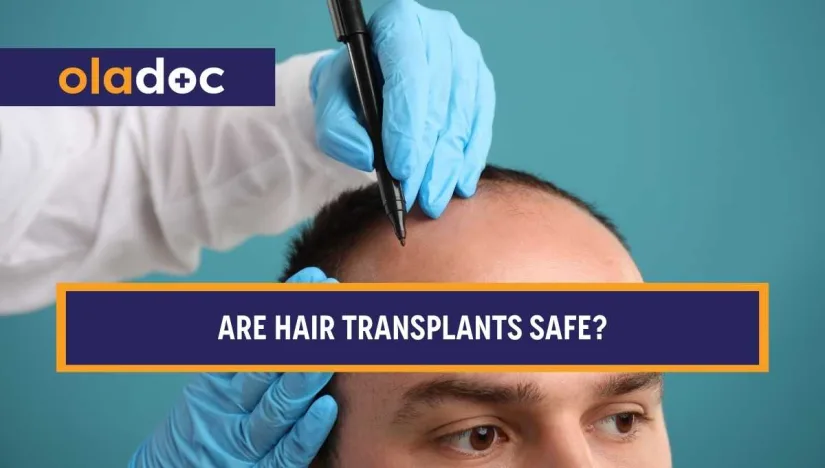
Hair loss is a problem that affects many people in all the world. People consider hair transplant surgery as a long-term solution. However a common question patients have is. Are hair transplant safe?
The short answer is yes hair transplantation is usually considered a safe procedure when performed by doctors in a proper hospital or clinic. However, like any surgery hair transplant comes with some risks and possible problems. In this article we will discuss everything you need about hair transplant safety risks and results.
Table of Contents
Understanding Hair Transplant
Hair transplant is a surgical procedure that involves moving hair follicles from one part of body( typically the back of sides of the scalp) to the areas experiencing hair loss. The two most common techniques are Follicular Unit Extraction (FUE) and Follicular Unit Transplantation (FUT).
Modern technology provides the safety and natural results of hair transplant procedures.
What are the potential risks of hair transplant surgery?
Hair transplants are safe you need to keep in mind that all medical procedures carry some risk. After your transplant there may be some mild side effects such as swelling in the area where your procedure was done, minor discomfort itching and redness around the site of transplantation. All of these side effects will probably resolve within several days after your transplant.
Hair transplant failure
In some cases transplanted hair grafts don’t survive. This means you end up with the hairline you had before surgery.
Unnatural-looking results
This can happen if the hairline design is poor or if outdated methods like hair plugs are used.
Hair transplant infection
If the environment and surgical instruments are not clean you can get an infection.
Overharvesting
Taking many hair follicles from the donor site is a problem. This is called hair transplant overharvesting. It means you may not be able to have than one hair transplant procedure if you need it.
Post Hair Transplant Folliculities
Hair follicle inflammation is a side effect. This is called -hair transplant folliculitis.
Hair transplant scars
This is more common with FUT surgery than with FUE. It usually happens when an unskilled surgeon does the procedure.
Necrosis
Severe infection can cause necrosis. This is when your skin turns black and leathery as the scalp tissue dies.
Hair Transplant Swelling
Swelling is very common after a hair transplant. It won’t cause problems on its own.. If the swelling is serious and you can’t open your eyes that can be a problem.
Selecting the Right Clinic to Have a Safe Hair Transplant
Hair Transplants are typically safe and successful depends on two factors the experience of the surgeon who performs the hair transplant, as well as the quality of the clinic where the hair transplant takes place. An experienced hair transplant surgeon has an understanding of how to create a natural-looking hairline how to extract follicles from the donor area and how to insert those follicles into the recipient area at the correct angle, and density.
Most modern clinics offer personalized treatment plans, making sure that each patient gets personalized treatment to their hair type and pattern of hair loss.
Post-Care Guidelines After Hair Transplant
Taking care of yourself after a hair transplant is just as important as the hair transplant procedure. You need to do the things to keep your new hair grafts safe stop problems from happening and get the kind of natural-looking hair you want that will last a long time.
- Do not touch or scratch your scalp
- Avoid washing your hair unless your doctor advises otherwise
- Sleep with your head elevated (use 2–3 pillows) to reduce swelling
- Avoid bending forward or sudden movements
- Take prescribed medications (antibiotics, pain relievers) on time
Recovery And Healing Stages
After a hair transplant, most patients experience an easy and fast recovery time, allowing them to return to their regular routines within just days. Although part of the body may feel sensitive for a short time and there could be some small scabs developing at the transplant sites (these will fall off naturally in a week or two.
Doctors advised their patients o avoid strenuous activities, direct sunlight, and touching the treated area for a few days. Following these instructions carefully plays a key role in achieving the best results.
Most patients will experience gradual initial hair growth with some initial loss of hair but hair growth will generally begin at 3-4 months after surgery, and patients will see the full effects of their hair restoration in 9-12 months according to Dr. Hamza Ahmad from Dot Clinics.
Long-Term Outcomes
Hair transplants give a fix to hair loss. This is because the transplanted hair follicles are usually resistant to the hormone that causes pattern baldness. So the new hair keeps growing for a lifetime. However hair loss can still happen in areas that weren’t treated.
Some people might need sessions later to keep their hair looking full and even. Taking care of your health keeping your scalp healthy and following your doctors advice can help make the long-term results even better.
FAQs
1. Is a hair transplant painful?
When you get a hair transplant the doctor gives you anesthesia so you do not feel any pain when they are doing the procedure. You might feel a little uncomfortable after the surgery. It is not too bad and you can deal with it.
2. How long do you have to wait to see the results?
Your hair starts growing in about three to four months.. It takes around 9 to 12 months to see the full results and really notice the difference.
3. Do the results last forever?
Yes the hair that gets transplanted usually stays forever because it is not affected by the hormones that cause hair loss.
4. Are there any risks to worry about?
There are not serious problems that can happen. Sometimes you might get a swelling or redness but these things go away quickly if you take good care of yourself.
5. Who can get a hair transplant?
If you are losing hair but not too much and you have hair that can be transplanted and you know what to expect then you are probably a good candidate, for a hair transplant.
Conclusion
Hair transplant surgery is a way to fix hair loss. It has gotten better over time because of technology and techniques. Now it is more precise does not hurt as much. People can get results that look natural and a long time. To have an experience with hair transplant surgery you need to pick a good clinic and take care of yourself after the surgery. You also need to know what to expect.
If you want to get a hair transplant you should talk to a specialist who knows what they are doing. This is the step to getting your hair back and feeling good, about yourself again.
