




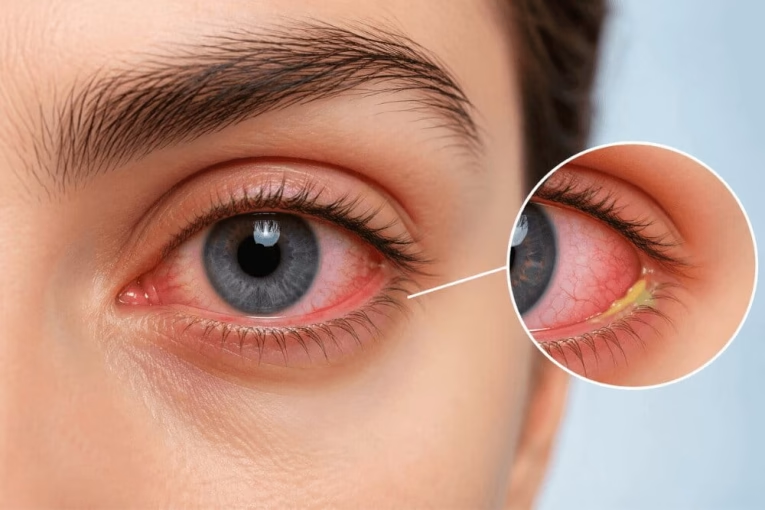
An eye infection can make a normal day very difficult. Redness, discharge, or a swollen eye are signs that something is wrong and needs proper attention.
Eye infections are among the most common reasons for urgent doctor visits in Pakistan. They affect people of all ages, from newborns to older adults.
The good news is that most eye infections respond well to treatment when identified early. Knowing the type, cause, and correct treatment makes a significant difference in recovery time.
Table of Contents
What Is an Eye Infection?
An eye infection is a condition caused by bacteria, viruses, fungi, or parasites entering the eye or surrounding tissue. It can affect one or both eyes and may involve the eyelid, cornea, conjunctiva (the clear front layer), or the inner eye.
Symptoms range from mild redness to severe pain and vision problems, depending on the type and how quickly it is treated.
Common Types of Eye Infections
Eye infections are not all the same. Each type affects a different part of the eye and needs a different approach to treatment.
Conjunctivitis (Pink Eye)
Conjunctivitis is the most common eye infection seen in Pakistan. The conjunctiva, the clear layer covering the white of the eye, becomes inflamed and red.
It can be caused by bacteria, viruses, or allergies. The bacterial and viral forms are highly contagious and spread easily through direct contact.
Stye (Hordeolum)
A stye is a painful, pus-filled lump on the eyelid. It forms when an oil gland or eyelash follicle becomes infected with bacteria.
Styes are very common in children but can affect anyone. They are not contagious and usually respond well to warm compresses.
Keratitis
Keratitis is an infection of the cornea, the clear surface at the front of the eye. It can be caused by bacteria, viruses, fungi, or poor contact lens hygiene.
Without early treatment, keratitis can cause permanent vision damage. It is considered a medical emergency in its severe forms.
Blepharitis
Blepharitis is inflammation of the eyelid edges, often linked to a bacterial overgrowth or a skin condition such as rosacea. The eyelids become red, crusty, and sore.
Many people experience this as a recurring or chronic condition that requires ongoing management rather than a single course of treatment.
Orbital Cellulitis
Orbital cellulitis is a serious bacterial infection of the tissue around the eye socket. It causes swelling, severe pain, and can restrict normal eye movement.
This type of infection needs urgent medical care. Without timely treatment, it can spread to the brain and cause life-threatening complications.
Symptoms of Eye Infections
Symptoms of eye infection depend on which part of the eye is affected. Some infections produce mild discomfort, while others signal a more serious underlying problem.
Common symptoms across most types include:
- Redness in one or both eyes
- Discharge that may be watery, thick, or crusty
- Swelling of the eyelid or the area around the eye
- Light sensitivity, making bright environments uncomfortable
- Blurry or reduced vision that does not clear with blinking
- Itching, burning, or a gritty feeling in the eye
- Pain or tenderness around the eye socket
Discharge color can offer a helpful clue. Yellow or green discharge usually points to a bacterial cause. Clear, watery discharge is more typical of a viral infection.
Causes and Risk Factors
Most eye infections enter through direct contact with an infected surface, person, or substance. The eye has natural defenses, but certain conditions weaken those barriers.
Bacterial Causes
Bacteria such as Staphylococcus, Streptococcus, and Haemophilus are responsible for most bacterial eye infections. Poor hand hygiene is the most common entry point into the eye.
Sharing towels, pillows, or eye makeup can also transfer bacteria directly to the eye area.
Viral Causes
Viral eye infections are often linked to the same viruses that cause colds or respiratory illness. Adenovirus is the most frequent cause of viral conjunctivitis in Pakistan.
Herpes simplex virus can cause a serious form of keratitis if it reaches the eye, especially in people with a history of cold sores.
Fungal and Parasitic Causes
Fungal eye infections are less common but more difficult to treat. They often follow an eye injury involving plant material, soil, or contaminated water.
A parasite called Acanthamoeba, found in tap water and swimming pools, can cause a severe corneal infection. Contact lens wearers who rinse their lenses with tap water face the highest risk.
Risk Factors For Eye Infection
Several local factors increase exposure risk:
- Contact lens wearers who skip hygiene steps or use unfiltered water
- Children in schools or daycare settings with close peer contact
- People with diabetes or a weakened immune system
- Workers in dusty, outdoor, or chemical-exposure environments
- Sharing kajal (kohl), eye drops, or personal eye items with others
How Are Eye Infections Diagnosed?
A doctor examines the eye using a slit lamp, a specialized tool that provides a magnified view of the eye’s surface and internal structures. The pattern of redness, discharge type, and affected area all help determine the likely cause.
For bacterial infections, a swab of the discharge may be sent to a laboratory. This confirms the exact bacteria present and helps the doctor choose the most effective antibiotic.
For serious cases like keratitis, a corneal scraping may be needed for a more detailed analysis.
Eye Infection Treatment Options
Eye treatment depends entirely on the cause. Using the wrong medicine, such as antibiotic drops for a viral infection, will not help the infection clear and may delay proper recovery.
Bacterial Eye Infection Treatment
Antibiotic eye drops or ointments are the standard treatment for bacterial infections. Common options include ciprofloxacin, tobramycin, and chloramphenicol drops. Most bacterial infections improve within 5 to 7 days when the correct antibiotic is used.
Oral antibiotics are added when the infection is severe or has spread to surrounding tissue, as seen in cases of orbital cellulitis.
Viral Eye Infection Treatment
Most viral eye infections resolve on their own within 1 to 2 weeks. No antibiotic can treat a viral infection. Antiviral eye drops are prescribed specifically for herpes-related keratitis.
Cool compresses and artificial tear drops help manage discomfort while the body’s immune system fights the virus.
Fungal Eye Infection Treatment
Antifungal eye drops or oral antifungal medicines are used for fungal infections. Natamycin is the most widely available antifungal eye drop.
Treatment for fungal infections takes longer than bacterial cases and may continue for several weeks under close medical supervision.
Stye Treatment
Warm compresses applied for 10 to 15 minutes, three to four times a day, help a stye drain naturally. Antibiotic ointment is prescribed if redness or swelling spreads beyond the original lump.
A doctor may need to drain the stye surgically if it does not resolve on its own within a week or two.
Home Care Tips During Treatment
Basic hygiene steps at home make treatment more effective and reduce the risk of spreading the infection.
- Wash your hands before and after touching the eye area.
- Avoid rubbing the affected eye, as this spreads bacteria or viral particles.
- Discard eye makeup used during the period of infection
- Stop wearing contact lenses until the eye has fully recovered
- Change pillowcases and towels daily during active infection
- Avoid sharing any personal face or eye items with household members
These measures also help prevent the infection from moving to the other eye or to other people in the home.
When to Consult an Eye Specialist
Some eye infections require prompt professional care to avoid permanent damage. Medical attention should be sought without delay in the following situations:
- Vision becomes blurry or decreases suddenly
- Severe eye pain does not improve with basic home care
- Symptoms worsen after 48 hours of initial self-management
- The infection spreads to the surrounding skin or affects both eyes
- A child under two years shows any eye infection symptoms
Delayed treatment for serious infections such as keratitis or orbital cellulitis can result in lasting vision loss.
Recognised eye specialists are available for consultation in Karachi and other major cities across Pakistan.
The Takeaway
Eye infections range from mild, self-limiting conditions to serious problems that can permanently affect vision.
Identifying the type early and matching it to the correct treatment, whether antibiotic, antiviral, antifungal, or supportive care, is the most important step toward a full recovery.
Frequently Asked Questions
Mild viral conjunctivitis often resolves on its own within 1 to 2 weeks. Bacterial and fungal infections require prescription treatment and will not clear without the correct medicine.
Antibiotic eye drops prescribed by a doctor are the most effective treatment for bacterial infections. Most bacterial eye infections improve significantly within 48 to 72 hours of starting the correct antibiotic.
Bacterial and viral eye infections are highly contagious. They spread through direct contact, shared towels, and touching the eyes with unwashed hands.
Bacterial infections typically produce thick yellow or green discharge. Viral infections usually cause watery discharge and often follow a recent cold or respiratory illness. A doctor can confirm the type with a proper examination.
Leftover or someone else’s eye drops should not be used for a new infection. The medicine may not match the current infection type, and expired drops can cause additional irritation. A doctor should assess each new infection separately.
Eye infections in very young children, especially newborns, need urgent assessment. Some types seen in infants can be severe and may indicate a more serious underlying condition. A doctor should evaluate any eye infection in a child under two years old.
