




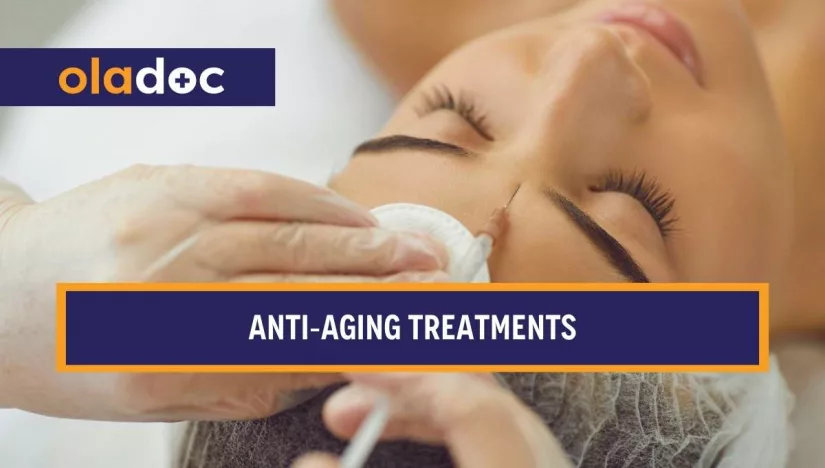
The process of aging is natural, and while no therapy can stop it altogether, certain treatments can slow visible and functional changes, support overall health, and improve quality of life.
This article helps readers make informed, realistic, and safe choices about anti‑aging treatments.
Table of Contents
Key Takeaways
- Anti‑aging treatments support healthy aging, not age reversal.
- Sun protection and lifestyle habits are foundational to long‑term skin health and aging.
- Skin care is most effective when started early and used consistently.
- Medical and aesthetic procedures require professional guidance.
- Realistic expectations lead to safer, more effective outcomes.
What Are Anti‑Aging Treatments?
Anti‑aging treatments encompass skincare, medical procedures, supplements, nutrition, and lifestyle choices that can reduce signs of aging on the body and mind.
While these interventions can improve appearance and function, they cannot stop the intrinsic aging process.
Types of Anti‑Aging Treatments
1. Skincare‑Based Anti‑Aging Treatments
Topical products are often the first step in anti‑aging care and work best when used daily and consistently. Evidence supports several clinically proven ingredients:
- Sunscreen: Daily broad‑spectrum SPF 30+ sunscreen is the most important anti‑aging intervention to protect against photoaging and skin cancer.
- Retinoids and retinol: Vitamin A derivatives improve cell turnover, stimulate collagen production, and reduce fine lines. Gradual introduction minimizes irritation.
- Antioxidants (e.g., vitamin C, niacinamide): These help reduce oxidative stress and support skin texture and tone.
- Hyaluronic acid and peptides: Support hydration and skin barrier function for smoother appearance.
Note: Skincare products help prevent and improve early signs of aging; they don’t eliminate deep lines or structural aging alone.
2. Minimally Invasive and Surgical Options
For more advanced signs of aging, options such as neuromodulators, dermal fillers, laser therapy, thread lifts, and surgical facelifts exist.
These provide longer‑lasting results but come with higher cost, recovery time, and potential risks. They should only be performed by licensed specialists after thorough evaluation.
3. Anti‑Aging Supplements and Nutrition
Nutrition plays a major role in cellular function. Some supplements, such as omega‑3 fatty acids, vitamin D, and collagen peptides, may modestly support overall health and skin quality.
However, high‑quality whole foods, adequate hydration, and balanced nutrition remain more effective than supplements alone.
Note: Supplements are not a replacement for a healthy diet and professional medical advice.
4. Lifestyle‑Based Anti‑Aging Strategies
Lifestyle factors are among the most powerful anti‑aging tools:
- Sun protection: Avoiding UV exposure and using protective clothing helps slow photoaging.
- Sleep: Consistent and restorative sleep supports cellular repair and cognitive health.
- Physical activity: Regular exercise benefits cardiovascular, metabolic, and brain health.
- Stress management: Reduces chronic inflammation and supports overall well‑being.
- Smoking cessation: Smoking accelerates skin aging and increases disease risk.
Benefits of Anti‑Aging Treatments
When used appropriately, anti‑aging treatments may:
- Improve skin texture, tone, and elasticity.
- Reduce fine lines, wrinkles, and pigmentation.
- Support skin barrier and collagen production.
- Enhance confidence and psychological well‑being.
- Promote healthier aging alongside lifestyle habits.
Potential Risks and Limitations
No treatment is risk‑free. Possible concerns include:
- Skin irritation or allergic reactions from topical products.
- Uneven cosmetic results or complications from procedures.
- Interactions between supplements and medications.
- Unrealistic expectations leading to dissatisfaction.
Always consult a qualified healthcare provider when considering supplements or procedures, especially if you have underlying health conditions.
When to Start and How Often
Preventive skincare ideally begins in the mid‑20s with consistent sun protection and basic topical antioxidants and moisturizers.
More advanced treatments are usually considered later, based on individual needs and professional assessment. Overuse of products or frequent invasive procedures does not speed results and may cause harm.
Best Practices for Effective Anti‑Aging Results
Taking a steady, balanced approach matters more than going all out at once. Caring for your skin, protecting it from the sun, maintaining healthy habits, and getting professional guidance all work together to support lasting results over time.
Conclusion
Anti‑aging treatments work best when part of a long-term, health-focused approach, helping aging feel like a natural, manageable process rather than something to fight against.
FAQs
There is no single best treatment. A combination of daily sun protection, retinoids, healthy lifestyle habits, and professional procedures usually offers the most benefit.
Preventive care can begin in the mid‑20s with consistent sunscreen use, antioxidants, and good lifestyle habits.
Many are generally safe when used as directed, but they should not replace a healthy diet or medical advice.
No. They help slow visible and functional aging but cannot stop the natural aging process.
