




As winter has settled in Pakistan, from the cold of Gilgit-Baltistan to the foggy mornings of Lahore and Islamabad, children’s health faces definite seasonal challenges.
Whereas many families look forward to cold weather and festivities, winter also carries a rise of infections and health concerns, particularly for young children whose immune systems are in a developing state.
In this blog, we will discuss common winter illnesses that affect children in Pakistan, how to identify them, when to be concerned, and what concrete steps parents can take to keep their children healthy and safe.
Table of Contents
Why Are Winters Tough on Children?
Children are more vulnerable to infections in winter for numerous reasons:
- Immature immune system: Young children lack immunity against many common viruses.
- Close indoor contact: Cold weather drives families indoors, increasing the risk of transmission.
- Dry, cold air: This reduces the natural defenses of the nose and throat, making it easier for viruses to settle.
- Air pollution and smog: Many Pakistani cities face heavy smog in winter, worsening respiratory symptoms.
These factors help explain why certain illnesses become more common during the winter season.
1. Common Cold & Viral Upper Respiratory Infections (URIs)

What They Are
The common cold refers to a group of viral infections affecting the nose and throat. Children may experience several episodes each winter.
Symptoms to Watch For
- Runny or blocked nose
- Sneezing
- Irritability (especially in infants)
- Poor feeding in babies
- Mild cough
- Low-grade fever
Management Tips
- Keep the child warm but avoid overheating.
- Use saline nasal drops for blocked noses.
- Increase fluids: ORS, water, soups.
- Humidify the room if air is very dry.
- Ensure adequate rest.
Important: Antibiotics do not help colds because these are caused by viruses.
2. Influenza (Flu)
What It Is
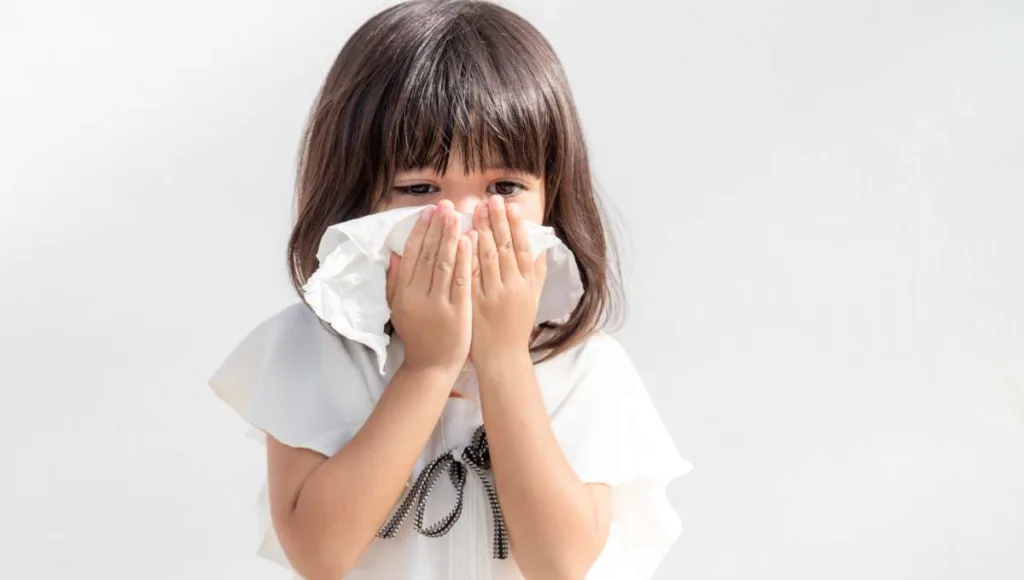
Influenza is a more severe viral infection than the common cold and can affect the entire respiratory tract. It may lead to complications such as pneumonia.
Symptoms
- Sudden high fever
- Severe cough
- Sore throat
- Headache and body aches
- Tiredness and weakness
- Sometimes diarrhea or vomiting (especially in younger children)
When to Seek Medical Help
- High fever above 39°C (102°F) that does not subside
- Lethargy or extreme irritability
- Difficulty or fast breathing
- Signs of dehydration
- Symptoms worsening after initial improvement
Prevention
- Annual flu vaccination for children over 6 months, especially high-risk children
- Proper hand-washing and cough etiquette
Book appointment with a trusted child specialist through oladoc
3. Bronchiolitis
What It Is
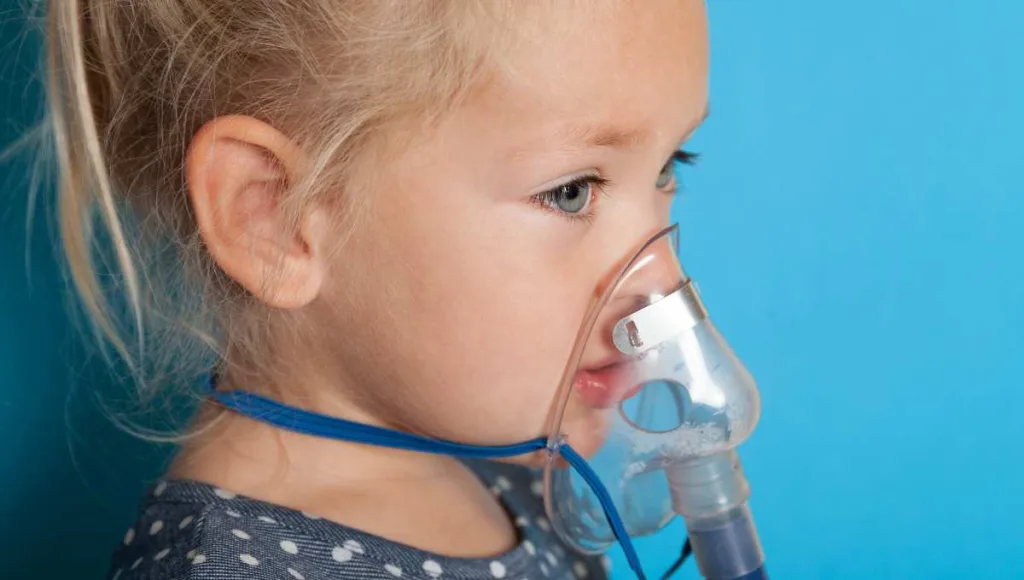
Bronchiolitis is a viral infection, most commonly caused by RSV, affecting the smaller airways in infants and toddlers under 2 years of age.
Symptoms
- Runny nose
- Wheezing
- Rapid or difficult breathing
- Persistent cough
- Poor feeding and irritability
Why It Matters
Bronchiolitis can cause serious breathing difficulty and dehydration, especially in infants under 6 months, sometimes requiring hospital care.
What Parents Can Do
- Monitor breathing closely
- Keep the baby upright and calm
- Ensure adequate fluid intake
- Avoid smoke and pollution exposure
4. Pneumonia
What It Is
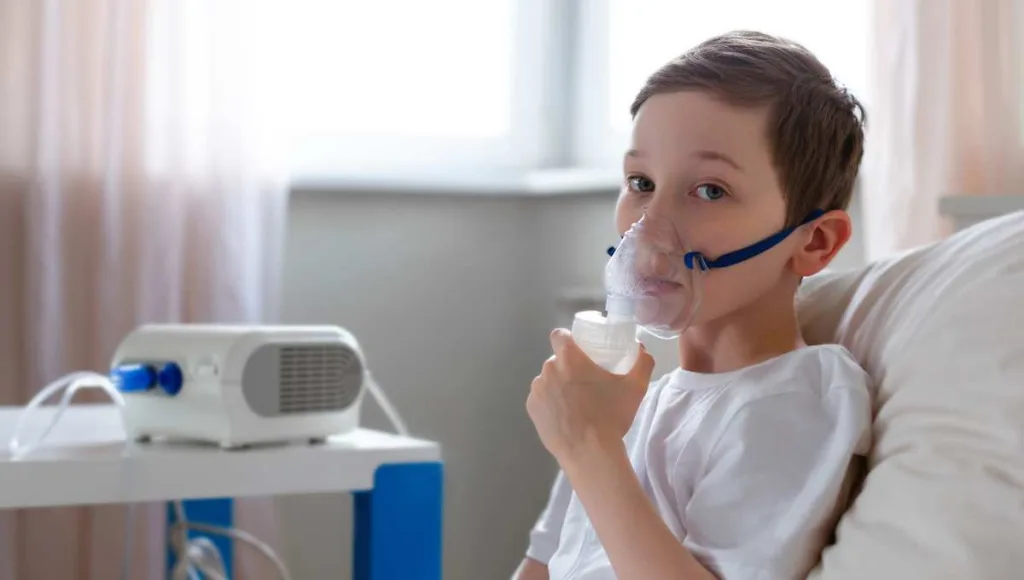
Pneumonia is an infection of the lungs caused by viruses or bacteria, leading to inflammation and impaired oxygen exchange.
Symptoms
- High fever
- Chest indrawing
- Cough with phlegm
- Rapid, shallow breathing
- Lethargy or severe illness appearance
Serious Concern in Pakistan
Pneumonia remains a leading cause of childhood illness and death worldwide. In Pakistan, winter smog and crowded living conditions increase its prevalence.
Action Steps
- Immediate medical evaluation if pneumonia is suspected
- Antibiotics if bacterial pneumonia is diagnosed
- Hospitalization if breathing difficulty or low oxygen levels occur
5. Asthma & Winter Exacerbations
Understanding Asthma in Children
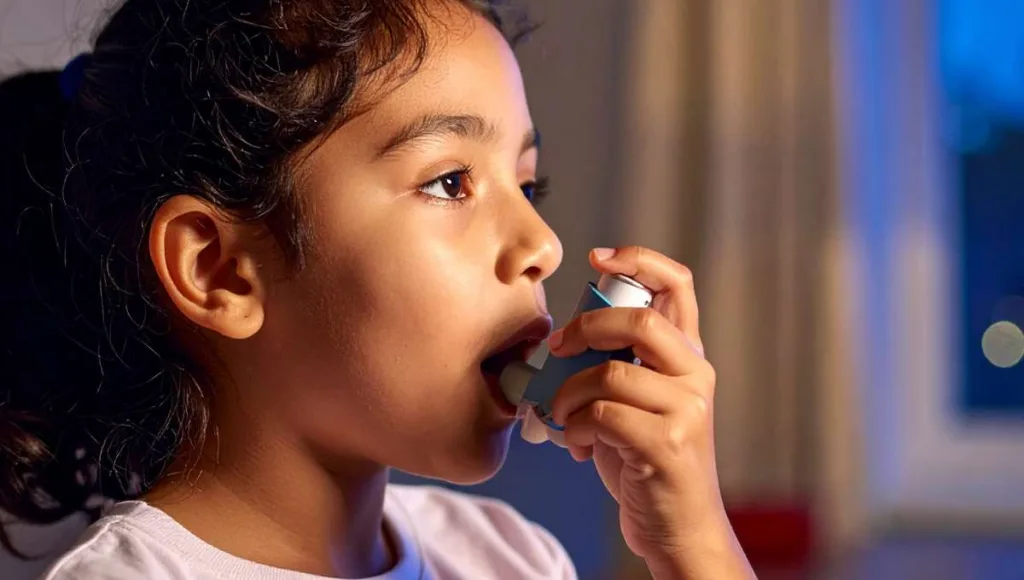
Asthma is a chronic condition in which airways become inflamed. Cold air, pollution, and infections commonly trigger symptoms in winter.
Symptoms
- Recurrent wheezing
- Shortness of breath
- Persistent night-time cough
- Chest tightness
Managing Winter Flare-Ups
- Use prescribed inhalers correctly
- Keep indoor air clean and smoke-free
- Avoid outdoor activity on high-smog days
- Regular pediatric follow-up
6. Sore Throat & Tonsillitis
Causes
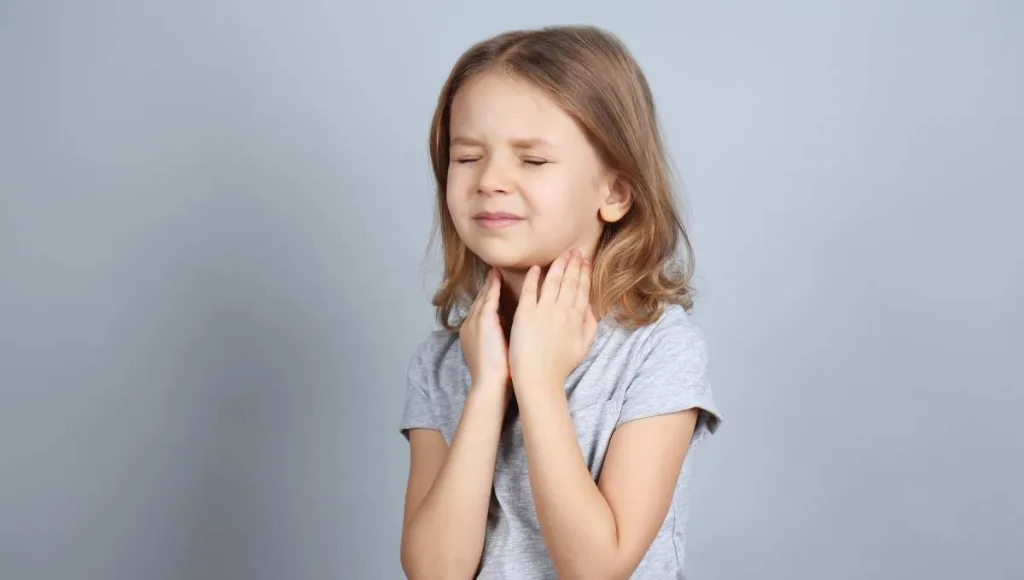
Most sore throats are viral, but bacterial infections such as Streptococcus can also cause tonsillitis.
Symptoms
- Pain on swallowing
- Fever
- Swollen neck glands
- Red or swollen throat
When to Worry
- Severe throat pain
- Drooling or difficulty swallowing
- White patches on tonsils
- High fever
A throat swab may be required to differentiate viral from bacterial infection.
7. Ear Infections (Otitis Media)
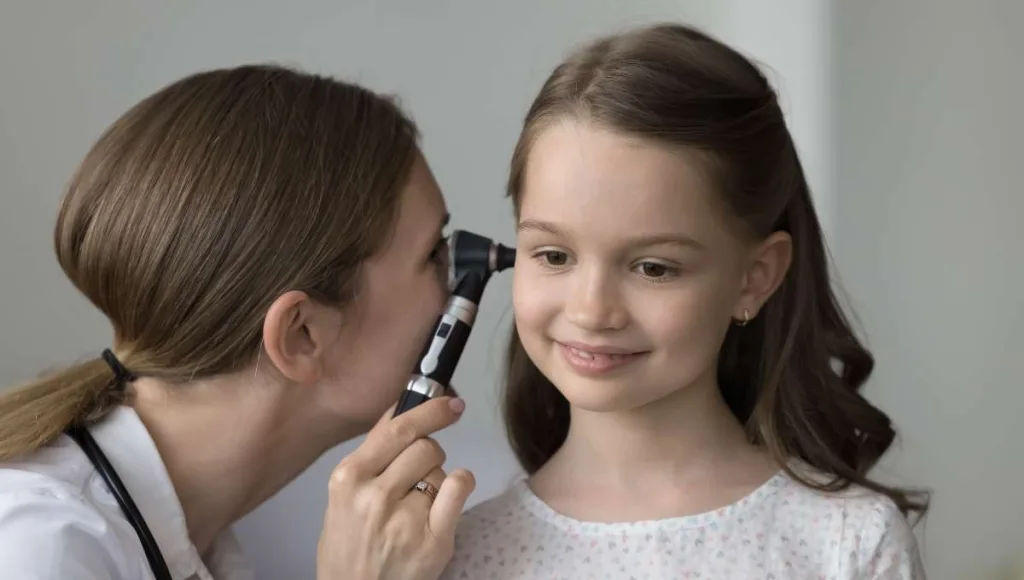
Ear infections often follow colds or flu due to fluid buildup behind the eardrum.
Signs in Children
- Pulling or tugging at the ear
- Fever
- Difficulty sleeping or hearing
- Irritability or excessive crying
Management includes pain relief and, in selected cases, antibiotics.
8. Gastroenteritis (Winter Stomach Bugs)

Some viruses such as rotavirus circulate year-round and can cause vomiting and diarrhea even in winter.
Key Concerns
- Irritability and reduced appetite
- Risk of dehydration
Care at Home
- Frequent small sips of ORS
- Continue breastfeeding or formula
- Avoid sugary drinks
Red Flags: When to Seek Immediate Care
- Difficulty breathing or fast breathing
- Nasal flaring or chest indrawing
- Poor feeding or refusal to drink
- Lethargy or unresponsiveness
- High fever not responding to medication
- Bluish lips or skin
- Signs of dehydration such as sunken eyes or very few wet diapers
If any of these occur, seek medical help immediately.
Prevention: The Best Medicine
- Frequent hand-washing with soap and water
- Good respiratory hygiene
- Daily sunlight exposure and vitamin D
- Balanced nutrition with fruits, vegetables, and soups
- Avoid outdoor exposure on heavy smog days
- Dress children in warm but breathable layers
- Keep vaccinations up to date, including flu and pneumococcal vaccines
At-Home Care vs. When to Call the Doctor
| Situation | What to Do |
|---|---|
| Mild cold, low fever, eating well | Home care with rest and fluids |
| Fever above 38.5°C (101°F) | Consult a doctor the same day |
| Difficulty breathing or wheezing | Seek urgent medical care |
| Refusal to eat or drink | Medical assessment required |
| Symptoms lasting more than 5–7 days | Doctor consultation advised |
Final Thoughts
Winter does not have to mean constant illness. With awareness, preventive habits, and timely action, most children pass through winter with minimal discomfort.
- Not all fevers and coughs need antibiotics.
- Supportive care is often enough.
- Trust your parental instincts and seek medical advice when unsure.
Your pediatrician is your partner in keeping your child healthy, especially during winter when respiratory illnesses are most common.
Stay warm, stay safe, and let winter be a season of health and joy for your children.
