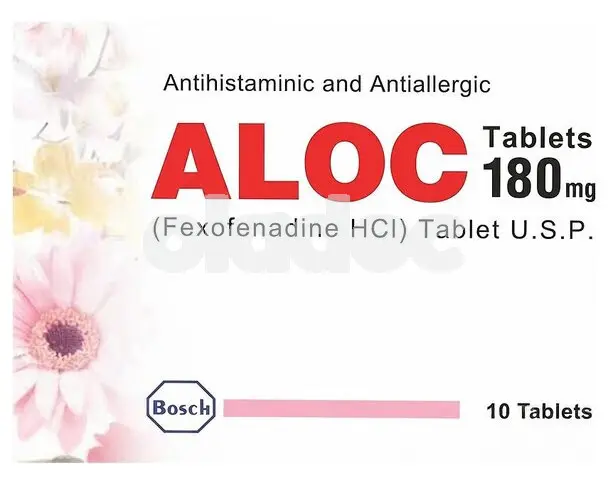
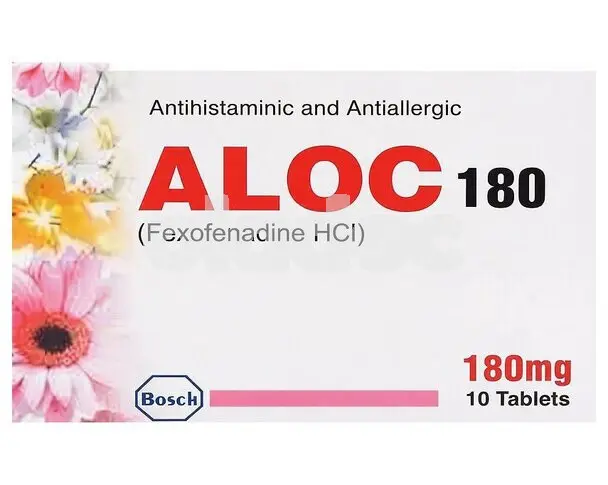
About Fexet Tablet 120mg
Fexet is a non-sedating antihistamine tablet containing Fexofenadine, used to treat allergic rhinitis, hay fever, and urticaria.
Fexet Tablet Uses
- Seasonal allergic rhinitis (hay fever) caused by pollen, grass, or tree allergens, presenting with sneezing, runny nose, nasal congestion, and itchy or watery eyes.
- Perennial allergic rhinitis triggered by year-round indoor allergens including house dust mites, pet dander, and mold spores.
- Chronic spontaneous urticaria (chronic hives) presenting as raised, itchy welts on the skin lasting 6 weeks or more.
- Acute urticaria from identifiable allergen triggers.
- Allergic conjunctivitis causing redness, itching, and watering of the eyes.
- Allergic skin reactions including pruritus and angioedema associated with allergen exposure.
- Allergy symptoms triggered by insect bites, stings, or environmental irritants.
Fexet Tablet Benefits
- Classified as a third-generation antihistamine, Fexofenadine produces virtually no sedation because it does not cross the blood-brain barrier at any clinically relevant dose.
- Provides 12 to 24 hours of allergy symptom relief from a single dose, significantly reducing the frequency of dosing compared to older antihistamines.
- Does not impair cognitive function, reaction time, driving ability, or psychomotor performance at therapeutic doses, confirmed in multiple head-to-head clinical studies.
- Suitable for patients who need to drive, operate machinery, or work in demanding cognitive environments, unlike first and some second-generation antihistamines.
- Available in three strengths (60mg, 120mg, 180mg) covering twice-daily dosing for seasonal rhinitis, once-daily for chronic urticaria, and pediatric use.
What Experts Say
Fexet contains Fexofenadine Hydrochloride, a selective peripheral H1 receptor antagonist and the active metabolite of Terfenadine, developed specifically to eliminate the cardiac toxicity that led to Terfenadine's market withdrawal.
How It Works
Fexofenadine competitively blocks peripheral H1 histamine receptors in the nasal mucosa, skin, eyes, and respiratory tract without entering the central nervous system. When an allergen is encountered, immune cells release histamine, which binds to H1 receptors and triggers the classic allergic cascade of sneezing, itching, nasal congestion, and hive formation. Fexofenadine occupies these receptors before histamine can bind, preventing the allergic response from initiating. Because it is actively transported out of the CNS by P-glycoprotein at the blood-brain barrier, it does not produce the sedation, cognitive impairment, or anticholinergic effects associated with older antihistamines.
Why Fexofenadine Does Not Cause Sedation
First-generation antihistamines such as Chlorphenamine and Promethazine are highly lipophilic and cross the blood-brain barrier freely, blocking central H1 receptors in the brain and causing sedation. Second-generation agents such as Cetirizine and Loratadine are less lipophilic but can still cause mild sedation in sensitive individuals. Fexofenadine is unique in that it is both highly hydrophilic (resisting passive diffusion into the CNS) and a substrate for P-glycoprotein, an efflux transporter that actively pumps it out of brain endothelial cells. This dual mechanism produces essentially complete peripheral restriction at standard doses, making Fexofenadine the preferred antihistamine for patients who require complete cognitive preservation.
Clinical Evidence
According to a systematic review and meta-analysis published in the journal Allergy, analyzing 1,833 patients across multiple randomized, double-blind, placebo-controlled trials, Fexofenadine produced a statistically significant reduction in total symptom scores in seasonal allergic rhinitis compared to placebo (SMD -0.42; 95% CI -0.49 to -0.35, p < 0.00001). The review confirmed consistent efficacy across individual nasal and ocular symptoms with a favorable safety profile comparable to placebo.
Drug Class
- Third-Generation Antihistamine.
- Selective Peripheral H1 Receptor Antagonist.
Packaging and Quantity
- 1 pack contains 20 tablets (2 strips of 10 tablets each).
- Available in 60mg, 120mg, and 180mg tablet strengths.
When Not to Use Fexet
- Known allergy or hypersensitivity to Fexofenadine Hydrochloride or any ingredient in the tablet.
- Severe kidney impairment without medical supervision, as Fexofenadine is primarily excreted renally.
- Children under 6 years of age (60mg tablets may be used in children aged 6 to 11; 120mg and 180mg are for adults and children above 12).
Fexet Tablet Uses in Urdu
یہ دوائی موسمی الرجی، چھینکوں اور ناک بہنے کی علامات کو دور کرنے کے لیے استعمال کی جاتی ہے۔
یہ جسم میں الرجی پیدا کرنے والے مادے کو روکتی ہے، جس سے الرجی کی علامات کم ہو جاتی ہیں۔
آنکھوں کی خارش، پانی آنا اور جلد پر ابھرنے والے سرخ دانوں کے علاج میں بھی یہ دوائی مفید ہے۔
یہ دوائی عام طور پر روزانہ ایک بار پانی کے ساتھ لی جاتی ہے، کھانے کے ساتھ یا بغیر کھانے کے بھی لی جا سکتی ہے۔
اسے پھلوں کے رس کے ساتھ ہرگز نہ لیں، کیونکہ اس سے دوائی کا اثر کمزور پڑ جاتا ہے۔
بارہ سال سے کم عمر بچوں کو یہ دوائی دینے سے پہلے ڈاکٹر سے مشورہ لینا ضروری ہے۔
Fexet Tablet 120mg formula
How to use Fexet Tablet 120mg?
- Fexet may be taken with or without food, though it should not be taken with fruit juices.
- The tablet should be swallowed whole with a full glass of water.
- Fruit juices including orange juice, apple juice, and grapefruit juice must be avoided when taking Fexet, as they significantly reduce Fexofenadine absorption by up to 36% by inhibiting the OATP transporter responsible for its intestinal uptake.
- Antacids containing aluminum or magnesium should be taken at least 2 hours before or after Fexet as they reduce absorption.
- The standard adult dose for seasonal allergic rhinitis is 120mg once daily. For chronic urticaria, 180mg once daily. For children aged 6 to 11, 30mg twice daily as directed by the doctor.
- The dose should not be changed without consulting a doctor.
Drug Interactions
- Fruit juice interaction: This is the most clinically important practical warning for Fexet. Fruit juices reduce Fexofenadine absorption significantly. Patients must take Fexet with water only. This interaction is widely unknown in Pakistan and contributes to treatment failure.
- Kidney disease: Fexofenadine is primarily excreted through the kidneys. Patients with moderate to severe renal impairment should use the 60mg dose and be monitored. The dose should be adjusted based on kidney function.
- Pregnancy: The safety of Fexofenadine during pregnancy has not been fully established in human trials. It should only be used during pregnancy when the prescribing doctor determines the benefit clearly outweighs the risk.
- Breastfeeding: Fexofenadine passes into breast milk. A doctor should be consulted before use during breastfeeding.
- Children under 6: Fexet is not recommended for children under 6 years of age. For children aged 6 to 11, only the 30mg pediatric dose should be used.
- Driving and machinery: Fexet does not cause clinically significant sedation. However, individual sensitivity varies and patients should confirm their personal response before driving or operating machinery.
Risks and warnings
- Kidney disease: Fexet tablet is cleared more slowly in patients with renal impairment. A dose adjustment may be required.
- Liver disease: Fexet tablet is generally safe for patients with liver conditions, as fexofenadine undergoes minimal hepatic metabolism. A doctor's advice is still recommended.
- Pregnancy: Safety data in pregnant women is limited. Fexet tablet should only be used during pregnancy when clearly necessary and prescribed by a doctor.
- Breastfeeding: Fexet tablet may pass into breast milk. A healthcare provider must be consulted before use while nursing.
- Elderly patients (65 years and above): Older adults may be more sensitive to fexofenadine's effects. Age-related kidney changes may require dose
modifications.
- Driving and operating machinery: Fexet tablet causes less sedation than first-generation antihistamines, but mild dizziness is possible. Caution is advised when driving or handling heavy equipment.
- Phenylketonuria (PKU): Some fexofenadine formulations may contain phenylalanine. Patients with PKU should confirm the formulation with their pharmacist before use.
- Urine drug testing: Fexet tablet has been associated with false-positive results for tramadol in some urine drug screening panels. Inform the testing facility about this medicine before any test.
- Antacids: Antacids containing magnesium or aluminum reduce the absorption of the Fexet tablet. A gap of at least 2 hours should be maintained between the two.
Fexet Tablet Side Effects
Fexet has a side effect profile comparable to placebo in clinical trials. It is one of the best tolerated antihistamines available.
- Headache, the most commonly reported side effect.
- Nausea or mild stomach discomfort.
- Dizziness in some patients.
- Diarrhea or loose stools.
- Mild fatigue.
- Menstrual cramps (dysmenorrhea) reported in some female patients.
Serious side effects are rare. Medical attention should be sought if any of the following occur:
- Severe allergic reaction including facial swelling, difficulty breathing, or anaphylaxis.
- Chest tightness or palpitations, which should be evaluated even though Fexofenadine has no known cardiac risk.
Storage Conditions
- Store at room temperature, between 15°C and 30°C.
- Keep away from direct sunlight, heat, and moisture.
- Store in the original packaging.
- Keep out of reach and sight of children.
- Do not use after the expiry date printed on the packaging.
- Do not store in the bathroom or near a kitchen sink.