

Book Appointment with the best "Nutritionists"
Book AppointmentLobia benefits go well beyond a comforting bowl of dal, though most people couldn’t tell you what those benefits actually are, or why some bags say red and others say white.
This guide covers what lobia actually delivers, the real difference between its varieties, and the side effects worth knowing before you make it a weekly habit.
Quick Answer
Lobia, known in English as black-eyed peas or cowpeas, is a legume rich in plant protein, fiber, and folate, genuinely useful for digestion, heart health, and weight management. Most people tolerate it well, though the same fiber that makes it beneficial can cause gas and bloating if the beans aren’t soaked and cooked properly.
Key Takeaways
- Lobia is the Urdu and Hindi name for black-eyed peas or cowpeas, a legume, not technically a pea.
- Red lobia and white lobia are the same plant, differing only in seed coat color, not nutrition.
- One cooked cup provides roughly 13 grams of protein and 11 grams of fiber, making it a strong plant-based option.
- Lobia is genuinely linked to better cholesterol, blood sugar control, and weight management in legume research.
- Soaking and cooking properly reduces gas, bloating, and mineral-blocking compounds
What Is Lobia?
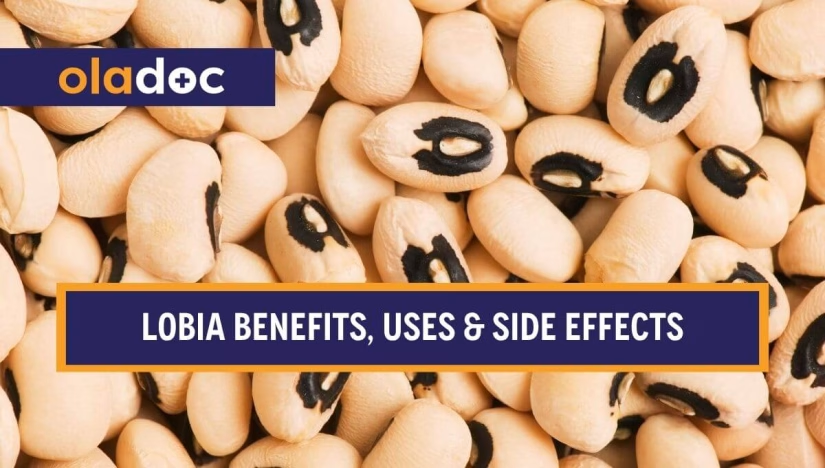
Lobia is the local name for a legume used widely across South Asian, African, and Southern American cooking, most often turned into dal, curries, and salads.
The seed has a pale body with a distinctive dark spot resembling an eye, though color can vary by variety.
Nutrition Breakdown of Lobia (Per Cooked Cup, 171g)
| Nutrient | Amount | % of a typical daily need |
| Calories | 198 kcal | 10% of a 2,000 calorie diet |
| Protein | 13 grams | 23 to 26% |
| Fiber | 11 grams | 39 to 40% |
| Carbohydrates | 36 grams | 12 to 13% |
| Folate | 89% DV | Especially relevant in pregnancy |
| Iron | 24% DV | Supports oxygen transport in blood |
| Magnesium | 22% DV | Supports muscle and nerve function |
| Zinc | 20% DV | Supports immune function |
Figures reflect one cooked cup and are drawn from USDA-sourced nutrition data, and will shift slightly with variety and preparation method.
7 Lobia Benefits for Health
Here are the 7 most notable lobia benefits, based on legume research and lobia’s specific nutrient profile.
1. Supports Weight Management
Lobia’s combination of protein and soluble fiber genuinely supports fullness. Protein helps lower ghrelin, the hormone that drives hunger, while soluble fiber slows digestion and keeps you feeling full longer.
A large 2023 study of over 15,000 US adults found that regular legume eaters gained noticeably less weight over 10 years than non-eaters. When the researchers isolated fiber intake specifically, that single nutrient explained most of the effect, meaning it’s the fiber in lobia doing the heavy lifting for weight control, not something else in the bean.
2. Supports Heart Health
Lobia’s soluble fiber content plays a direct role in lowering LDL cholesterol. A systematic review of 23 studies on common beans found they reduced LDL cholesterol by 19% and cardiovascular disease risk by 11%.
A separate meta-analysis of 26 studies linked regular legume intake to a reduced risk of both cardiovascular disease and coronary heart disease specifically, with benefits leveling off around 400 grams of legumes per week.
3. Improves Digestion
The soluble fiber in lobia acts as a prebiotic, and a review of soluble fiber’s role in gut health confirms it feeds beneficial gut bacteria, which produce short-chain fatty acids linked to a healthier gut lining and reduced inflammation.
This effect depends heavily on dose and individual gut health, so more is not automatically better here, the same review notes that overdoing soluble fiber intake can cause its own digestive problems.
4. Supports Healthy Pregnancy
Lobia’s folate content is genuinely significant, covering close to 89% of a full day’s needs in a single cooked cup. Folate is directly linked to lowering the risk of neural tube defects in developing babies.
Its iron content is a useful bonus too, since iron needs rise substantially during pregnancy.
5. Helps Manage Blood Sugar
Lobia’s fiber slows how quickly sugar enters the bloodstream after a meal, which helps prevent the sharp spikes that refined carbohydrates tend to cause.
This makes it a genuinely useful staple for anyone watching their blood sugar, though portion size and what it’s paired with still matter.
6. Provides Plant-Based Protein
At 13 grams per cooked cup, lobia is one of the stronger plant protein sources available, genuinely useful for vegetarian, vegan, or simply meat-light diets common across Pakistani households during certain weeks or fasting periods.
7. Supports Overall Cellular Health
Beyond its core macronutrients, lobia contains polyphenols, plant compounds that act as antioxidants and help protect cells from everyday damage.
This is a supporting benefit rather than a standalone reason to eat it, but it adds to the overall case for including it regularly.
How to Use Lobia
Dried lobia needs a shorter soak than most other dried beans, just 1 to 2 hours in hot water is usually enough, though a longer soak doesn’t hurt.
After soaking, boil in fresh water or broth and simmer for about 45 minutes until tender. It works well in dal, curries, salads, and soups, and pairs naturally with cumin, garlic, and tomato in most Pakistani preparations.
Lobia Side Effects and Precautions
Lobia is generally well tolerated, but a few things are worth knowing before eating it regularly.
Worth knowing:
- Gas and bloating are common, caused by raffinose, a complex sugar that’s hard to digest. Proper soaking and cooking significantly reduces this.
- Reduced mineral absorption can happen due to phytic acid, a natural compound that binds to iron, zinc, and calcium. Soaking and cooking lowers phytic acid content meaningfully.
- Portion matters for kidney conditions, since legumes are relatively high in potassium and phosphorus.
- Undercooked beans are harder to digest and more likely to cause stomach discomfort, so full cooking time matters, not just softness.
Lobia in English
Lobia is the local name for Vigna unguiculata, known in English as black-eyed peas or cowpeas. Despite the name, it’s technically a bean, not a pea.
The seed has a pale body with a distinctive dark spot resembling an eye, though color can vary by variety.
It’s a staple across South Asian, African, and Southern American cooking, most commonly turned into dal, curries, and salads.
Red Lobia vs White Lobia: What’s the Difference?
Red lobia and white lobia are the same species, simply different seed coat colors, similar to how kidney beans come in multiple shades without being different beans nutritionally.
Cowpea varieties naturally range across purple eye, light brown eye, red eye, cream, crowder, and clay colored seeds. The nutritional profile between them is broadly similar, with only minor differences in exact fiber and mineral content depending on the specific variety.
If a recipe or a search result specifies red or white, it’s usually about texture and cooking time rather than a meaningfully different nutrition profile.
Talk to a Nutritionist Regarding Lobia via oladoc
If you’re managing diabetes, kidney disease, or building a diet plan around plant protein, it’s worth getting a proper plan from a nutritionist rather than guessing your portions.
This matters especially during pregnancy, where folate and iron needs are higher, and a nutritionist can help build lobia into a fuller, balanced plan.
Conclusion
Lobia earns its place in the diet with real numbers behind it: 13 grams of protein and 11 grams of fiber per cooked cup, genuine cholesterol and blood sugar benefits, and a folate content that matters a lot during pregnancy. Red and white varieties aren’t different foods, just different seed colors.
Soak it properly, cook it fully, and the gas and bloating that put people off legumes largely stop being a problem.
Frequently Asked Questions
Is red lobia or white lobia better?
Neither is nutritionally superior. They’re the same plant with different seed coat colors, and the choice usually comes down to recipe and texture preference.
What is lobia called in English?
Lobia is called black-eyed peas or cowpeas in English, and it’s classified as a bean rather than a true pea.
How much protein is in lobia?
A cooked cup of lobia provides about 13 grams of protein, making it one of the stronger plant-based protein sources.
Does lobia cause gas?
It can, due to a sugar called raffinose, though proper soaking and full cooking significantly reduces this effect.
Is lobia good for weight loss?
Yes, its combination of protein and fiber supports fullness, and legume eaters show less long-term weight gain in research.
Can I eat lobia during pregnancy?
Yes, its folate and iron content make it a genuinely useful food during pregnancy, though overall diet planning is worth doing with a professional.
References:
- Black-Eyed Peas (Cowpeas): Nutrition Facts and Benefits – Healthline
- Do Common Beans (Phaseolus vulgaris L.) Promote Good Health in Humans? – Nutrients (PMC)
- Cooked Blackeyed Peas, USDA-Sourced Nutrition Data – MyFoodData
- Legume Intake, Body Weight, and Abdominal Adiposity in 15,185 U.S. Adults – Nutrients (Tucker, 2023)
- Intake of Legumes and Cardiovascular Disease: A Systematic Review – Nutrition, Metabolism and Cardiovascular Diseases (Mendes et al., 2023)
- Soluble Dietary Fiber, One of the Most Important Nutrients for the Gut Microbiota – Molecules (Guan et al., 2021)
Disclaimer: The contents of this article are intended to raise awareness about common health issues and should not be viewed as sound medical advice for your specific condition. You should always consult with a licensed medical practitioner prior to following any suggestions outlined in this article or adopting any treatment protocol based on the contents of this article.