




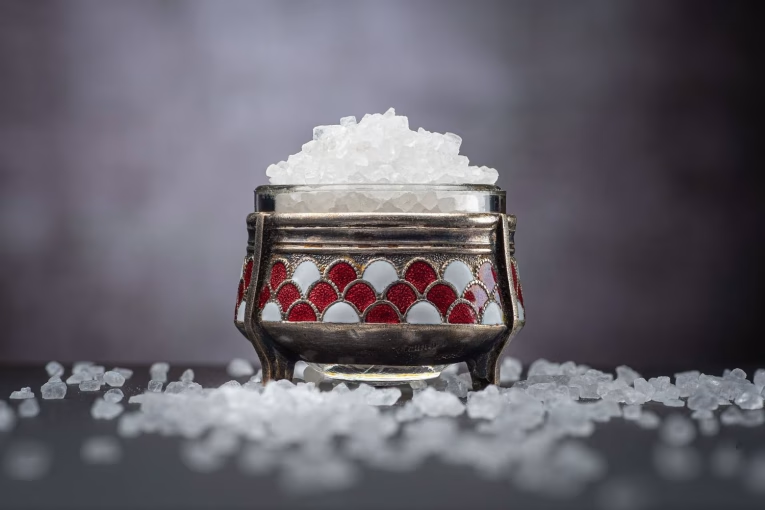
Phitkari, also spelled fitkari or phatkari, is a naturally occurring mineral that’s been used for generations in skincare and home remedies across South Asia. It’s a crystal that dissolves in water and is known for its astringent, tightening effect on tissue.
Quick Answer: Phitkari is the Urdu and Hindi name for alum, a mineral compound called potassium aluminum sulfate. It’s genuinely useful as an astringent and mild antibacterial agent for skin, but several popular claims about it, like reducing hair growth or lightening skin, aren’t backed by strong evidence.
Table of Contents
Key Takeaways
- Phitkari is the Urdu word for alum, known scientifically as potassium aluminum sulfate.
- It has real astringent and antibacterial properties, useful after shaving and as a natural deodorant.
- Claims that it reduces hair growth or lightens skin are traditional beliefs, not proven by clinical research.
- It’s for external use only. Swallowing alum can irritate or burn the mouth, throat, and stomach.
- Overuse can cause dryness, tingling, and allergic reactions in some people.
This guide covers what phitkari can realistically do, what the evidence actually supports, and how to use it safely.
What Is Phitkari? (Phitkari in English)
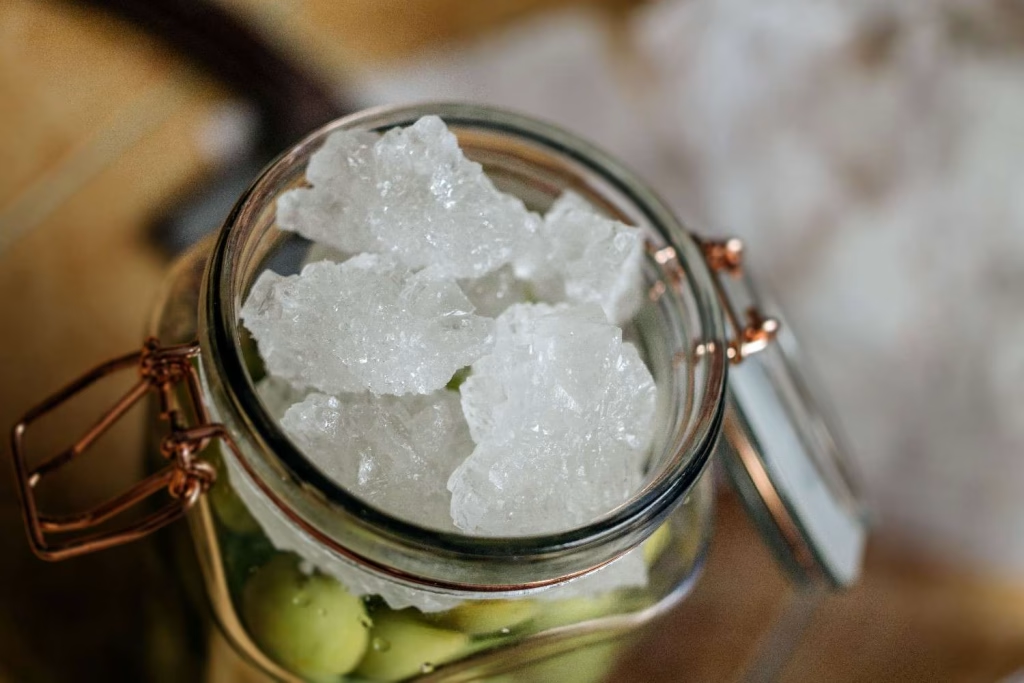
Phitkari is called alum in English. It’s a naturally occurring mineral, chemically known as potassium aluminum sulfate or potash alum, that forms transparent, colorless crystals.
You’ll also see it written as fitkari, phatkari, or patkari, since these are all phonetic spellings of the same Urdu or Hindi word. In English, alum is the standard name used in pharmacies, cosmetic labels, and scientific literature.
Alum has two everyday forms: a solid block, often called an alum stone, and a powder. Both are used the same way, dissolved or wetted before application to the skin.
What Phitkari Can Actually Do
Phitkari’s real value comes from two properties: it’s an astringent, meaning it tightens tissue and shrinks pores temporarily, and it has mild antibacterial activity.
According to Medical News Today, a laboratory study found that alum inhibited the growth of several common bacteria strains linked to body odor, which supports its traditional use as a natural deodorant. The same source notes this evidence comes from lab conditions, not large human trials, so results in daily use can vary.
1. Aftershave and Minor Cuts
Phitkari’s astringent and antiseptic action makes it genuinely useful after shaving. Wetting an alum block and gently rubbing it over freshly shaved skin can help soothe irritation and reduce the chance of small nicks becoming infected.
2. Natural Deodorant
This is one of phitkari’s better supported uses. It works by limiting the bacteria on skin that break down sweat and cause odor, rather than blocking sweat glands the way a standard antiperspirant does.
To use it, wet the alum stone and rub it directly on clean, dry underarms after a shower.
3. Skin Tightening (Temporary)
Because it’s an astringent, phitkari can make skin feel firmer and pores look smaller for a short period after application. This effect is temporary and doesn’t change the skin’s underlying structure.
A common way to use it is mixing alum powder with water into a light paste, applying it to clean skin for a few minutes, then rinsing and moisturizing.
4. Hyperpigmentation and Acne Marks: What the Evidence Actually Says
Phitkari is widely marketed as a skin lightening remedy for acne scars and hyperpigmentation, especially in South Asian households. In reality, Medical News Today states plainly that no scientific evidence supports alum for skin whitening.
What it may realistically help with is a temporary tightening effect that can make skin look smoother short term, not an actual change in pigment. If hyperpigmentation is a real concern, it’s worth getting an actual diagnosis instead of relying on a home remedy alone.
Does Phitkari Reduce Hair Growth?
Not according to the evidence available. This is one of the most searched claims about phitkari, and it’s largely a traditional belief rather than a proven effect.
Alum’s astringent action tightens the surface of the skin, but it doesn’t reach or damage the hair follicle beneath it. There are no peer reviewed clinical trials showing that applying alum, with or without rosewater, slows, weakens, or stops hair regrowth over time.
Some people do report finer looking hair after months of regular use, but this hasn’t been confirmed in controlled studies, and results anecdotally reported online vary widely from person to person. If reducing unwanted hair growth is the actual goal, options like laser hair removal have far stronger evidence behind them.
5. Dandruff and Scalp Use
Phitkari is sometimes mixed into shampoo to help with dandruff and an itchy scalp, drawing on its antibacterial and astringent properties. Evidence here is mostly traditional rather than clinical, so treat it as a home remedy, not a replacement for a dandruff treatment recommended by a doctor if the problem persists.
6. Cracked Heels
Phitkari is also used as a home remedy for cracked heels, often mixed with chickpea flour into a paste to gently exfoliate rough, dead skin. This can help smooth the surface, though it won’t resolve cracks caused by an underlying skin condition.
Phitkari Side Effects
Used occasionally and in small amounts, phitkari is generally well tolerated on the skin. Overuse or sensitive skin can bring on side effects, including:
- Dryness
- Tingling or a mild stinging sensation
- Itching or redness
- Allergic reactions, including hives or swelling, in people sensitive to aluminum compounds
If you notice swelling, breathing difficulty, or widespread hives after using alum, treat that as an emergency and seek medical care right away.
Is It Safe to Swallow Phitkari?
No. Phitkari is meant for external use only. Swallowing alum can cause burning in the mouth and throat, stomach irritation, nausea, and vomiting, and larger amounts can be genuinely dangerous. Keep it away from children and never use it as an oral remedy without a doctor’s direct guidance.
Phitkari Uses at a Glance
Here’s a quick summary of common phitkari uses and how strong the evidence actually is behind each one.
| Use | What It May Help With | Evidence Level |
| Aftershave / minor cuts | Soothing irritation, mild antiseptic action | Traditional, some lab support |
| Natural deodorant | Reducing odor causing bacteria | Lab supported |
| Skin tightening | Temporary firmness, smaller looking pores | Traditional, astringent effect is real but short term |
| Hyperpigmentation / whitening | No confirmed effect | Not supported by evidence |
| Reducing hair growth | No confirmed effect | Not supported by evidence |
| Dandruff / scalp odor | Possible mild antibacterial benefit | Traditional only |
| Cracked heels | Gentle exfoliation | Traditional only |
How to Store Phitkari
Phitkari lasts longest when kept in a cool, dry place. Moisture shortens its shelf life since the crystal starts to dissolve as soon as it gets wet, so dry your alum stone fully after each use before storing it.
Ask a Dermatologist About Phitkari on oladoc
If you’re dealing with persistent hyperpigmentation, acne scarring, or unwanted hair growth, a home remedy like phitkari is unlikely to be the fix on its own. It’s worth getting an actual diagnosis before spending months on something with limited evidence.
An expert dermatologist can tell you what’s actually causing the issue and recommend a treatment that’s proven to work, rather than one that’s just traditional.
Conclusion
Phitkari, known as alum in English, is a genuinely useful astringent with real antibacterial properties, especially as an aftershave and natural deodorant. But some of its most popular claims, like reducing hair growth or lightening skin, aren’t backed by solid evidence and are best treated as traditional beliefs rather than proven treatments. Use it externally, in moderation, and see a specialist if you’re dealing with a persistent skin or hair concern.
Frequently Asked Questions (FAQs)
1. What is phitkari called in English?
Phitkari is called alum in English, also known chemically as potassium aluminum sulfate or potash alum.
2. Is phitkari the same as fitkari?
Yes. Phitkari, fitkari, and phatkari are all spelling variations of the same Urdu word for alum.
3. Does phitkari reduce hair growth?
There’s no clinical evidence that it does. Alum tightens the skin’s surface but doesn’t affect hair follicles, so any hair growth reduction reported by users hasn’t been confirmed in research.
4. Can phitkari be used on the face daily?
Daily use isn’t recommended, since alum can dry out or irritate the skin over time. Most guides suggest using it once or twice a week at most.
5. Is phitkari safe to swallow?
No. Phitkari is for external use only. Swallowing it can burn or irritate the mouth, throat, and stomach.
6. Does phitkari help with acne?
It may help temporarily with oily skin and minor irritation due to its astringent and antibacterial properties, but it isn’t a proven acne treatment on its own.


