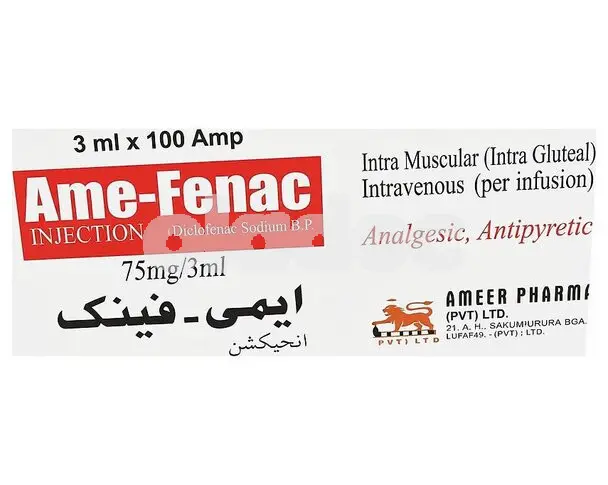
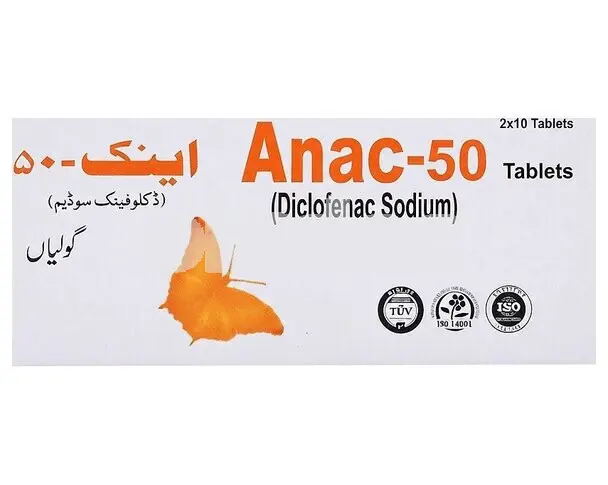
About Aleve Tablet 50mg
Aleve Tablet 50mg contains Diclofenac Sodium, an NSAID used to relieve pain and inflammation.
Aleve Tablet 50mg Uses
- Osteoarthritis pain and stiffness
- Rheumatoid arthritis
- Ankylosing spondylitis
- Acute musculoskeletal injuries such as sprains and strains
- Post-operative and post-traumatic pain and swelling
- Dental pain and swelling after minor oral procedures
- Menstrual cramps (dysmenorrhea)
Aleve Tablet 50mg Benefits
- Fast-acting relief from moderate pain and inflammation
- Reduces joint swelling and stiffness in arthritis
- Helps restore mobility after minor injuries
- Lowers fever alongside pain relief in short-term use
- Available at low cost compared to newer NSAIDs
What Experts Say
Doctors across Pakistan generally prescribe diclofenac sodium at the lowest effective dose for the shortest duration needed, since its anti-inflammatory action carries a dose-related risk of gastrointestinal irritation. Combining it with a proton pump inhibitor is common practice in patients who need longer courses.
Physicians typically avoid diclofenac in patients with a history of peptic ulcer disease, uncontrolled hypertension or significant kidney impairment, because oral NSAIDs can worsen renal blood flow and raise blood pressure. Regular blood pressure and kidney function checks are advised during extended use.
Clinicians also weigh cardiovascular risk before prescribing diclofenac, particularly in older patients or those with existing heart disease, since long-term NSAID use is linked to a modestly higher risk of heart attack and stroke. Short courses for acute pain are considered comparatively low risk when properly monitored.
Drug Class
- Nonsteroidal Anti-Inflammatory Drug (NSAID)
- Phenylacetic Acid Derivative
- Analgesic and Antipyretic
Aleve Tablet 50mg Uses in Urdu
- جوڑوں کے درد اور سوزش (آرتھرائٹس) میں
- موچ اور معمولی چوٹوں کے درد میں
- آپریشن کے بعد ہونے والے درد اور سوجن میں
- دانتوں کے علاج کے بعد درد اور سوزش میں
- ماہواری کے دوران شدید درد میں
Aleve Tablet 50mg formula
How to use Aleve Tablet 50mg?
- Take with food or milk to reduce stomach upset
- Swallow the tablet whole with a full glass of water
- Do not crush or chew the tablet
- Usual adult dose is one tablet two to three times daily, or as directed by your doctor
- Do not exceed the maximum dose advised by your doctor
- Use the lowest effective dose for the shortest possible duration
Drug Interactions
- Aspirin: Combined use increases the risk of gastrointestinal bleeding without added pain relief benefit.
- Warfarin: May increase bleeding risk when used together with blood-thinning medicines.
- ACE Inhibitors: Can reduce the blood-pressure-lowering effect and increase the risk of kidney problems.
- Diuretics: May reduce the effectiveness of diuretics and increase strain on the kidneys.
- Methotrexate: Can raise methotrexate levels in the blood, increasing toxicity risk.
- Lithium: May increase blood lithium levels, raising the risk of lithium toxicity.
Risks and warnings
- Stomach Ulcers: Long-term use increases the risk of stomach ulcers and gastrointestinal bleeding.
- Heart Risk: May increase the risk of heart attack or stroke, especially with prolonged use or existing heart disease.
- Kidney Function: Can reduce kidney function, particularly in dehydrated patients or those with existing kidney disease.
- Pregnancy: Avoid use in the third trimester due to risk of premature closure of a fetal blood vessel.
- Asthma: Use with caution in patients with a history of asthma or NSAID-induced allergic reactions.
- Liver Disease: Use cautiously in patients with pre-existing liver impairment.
Aleve Tablet 50mg Side Effects
- Stomach pain or indigestion
- Nausea or vomiting
- Heartburn
- Diarrhea or constipation
- Headache or dizziness
- Fluid retention or mild swelling
- Skin rash
- Ringing in the ears with prolonged use
Storage Conditions
- Store below 30°C in a cool, dry place away from moisture
- Keep the strip in its original packaging until use
- Protect from direct sunlight
- Keep out of reach of children
- Do not use after the expiry date printed on the pack