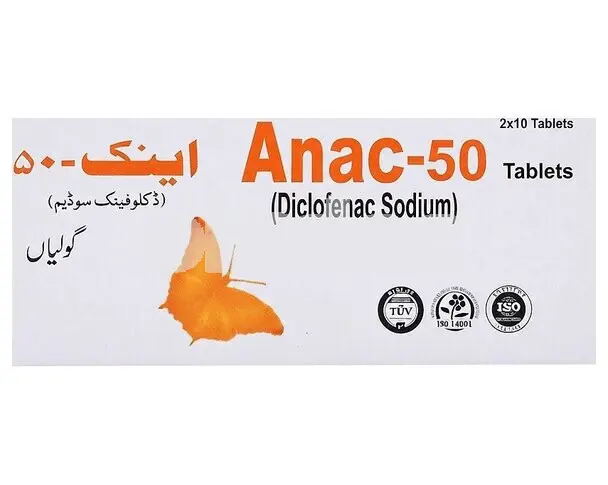
About Araam tablet 100mg
Pain relief tablet used for arthritis, muscle pain, and inflammation.
Araam Tablet Uses
- Relieves pain and swelling from osteoarthritis and rheumatoid arthritis.
- Eases acute pain after minor surgery, injury, or dental procedures.
- Reduces pain and stiffness from ankylosing spondylitis and other joint conditions.
- Helps manage menstrual cramps and other short term pain.
Araam Tablet Benefits
- Reduces inflammation along with pain, unlike simple painkillers.
- Sustained release formula supports once or twice daily dosing for steady relief.
- Helps patients stay mobile during flare ups of joint pain.
Orthopedic doctors and general physicians across Lahore, Karachi, Islamabad, and Rawalpindi prescribe Araam for chronic joint pain, back pain, and short term injuries. It is one of several diclofenac sodium brands available in local pharmacies. Many patients use it alongside physiotherapy for better long term results.
Araam belongs to the NSAID family, which can affect the stomach lining, kidneys, and blood pressure with long term use. Doctors usually recommend the lowest effective dose for the shortest time needed to control symptoms.
People with a history of stomach ulcers, heart disease, or kidney problems should discuss the risks with a doctor before starting Araam. Regular checkups and occasional blood tests help catch problems early, especially with prolonged use.
Drug Class
- Nonsteroidal anti inflammatory drug (NSAID)
Araam Tablet Uses in Urdu
- جوڑوں کے درد اور سوجن کو کم کرنے میں مددگار ہے
- گٹھیا اور دیگر ہڈیوں کی بیماریوں میں آرام دیتا ہے
- معمولی سرجری یا چوٹ کے بعد درد میں کمی لاتا ہے
- ماہواری کے درد میں بھی استعمال کیا جا سکتا ہے
Araam tablet 100mg formula
How to use Araam tablet 100mg?
- Take Araam tablet with food or milk to reduce stomach upset.
- Swallow the tablet whole; do not crush or chew it.
- Take the lowest effective dose for the shortest time needed.
- Avoid lying down immediately after taking the tablet.
- Report black stools, severe stomach pain, or swelling to a doctor right away.
Drug Interactions
- Blood Thinners: Diclofenac can increase bleeding risk when combined with blood thinning medicines.
- Other NSAIDs Or Aspirin: Combining with other NSAIDs raises the risk of stomach ulcers and bleeding without added pain relief.
- ACE Inhibitors And Diuretics: Diclofenac can reduce their blood pressure lowering effect and affect kidney function.
- Lithium: Diclofenac can raise lithium levels in the blood, increasing the risk of toxicity.
Risks and warnings
- Gastrointestinal Risk: Diclofenac can cause stomach ulcers or bleeding, especially with long term use or in people with a history of ulcers.
- Cardiovascular Risk: NSAIDs like diclofenac can raise the risk of heart attack or stroke, particularly with high doses or prolonged use.
- Kidney Function: Diclofenac can reduce kidney blood flow and worsen kidney function, especially in dehydrated or elderly patients.
- Pregnancy: Third trimester use should be avoided because of risks to the baby's heart and blood flow.
- Asthma And Allergy: People with asthma or NSAID allergy may experience worsened breathing or allergic reactions.
Side Effects
- Stomach pain or indigestion
- Nausea and diarrhea
- Headache and dizziness
- Skin rash
- Fluid retention or mild swelling in the legs
- Elevated blood pressure
- Stomach ulcer or bleeding in rare, serious cases
Storage Conditions
Store Araam tablets at room temperature, away from heat and direct sunlight. Keep the strip inside its original packaging until use. Keep out of reach of children.