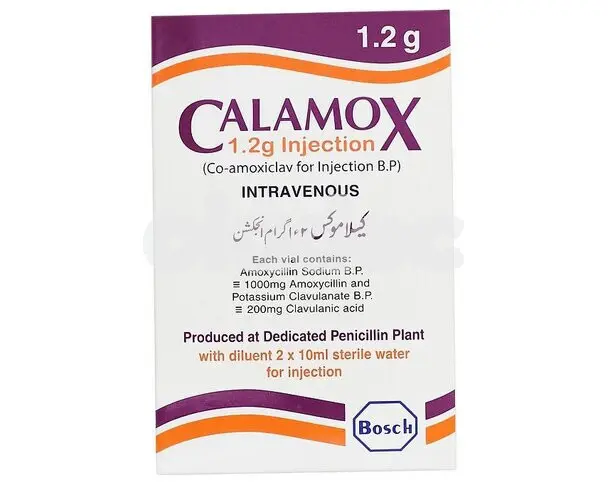
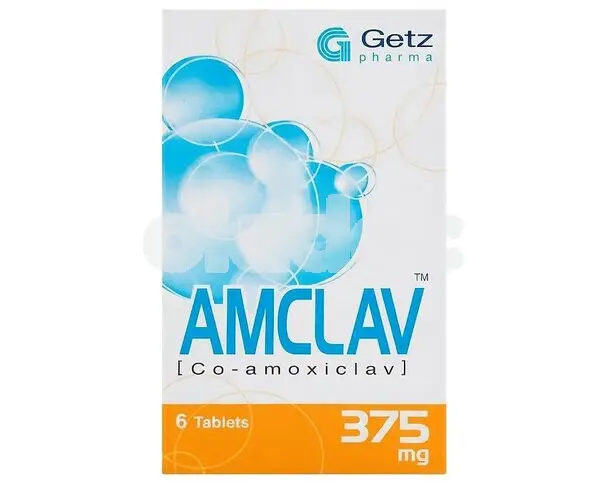
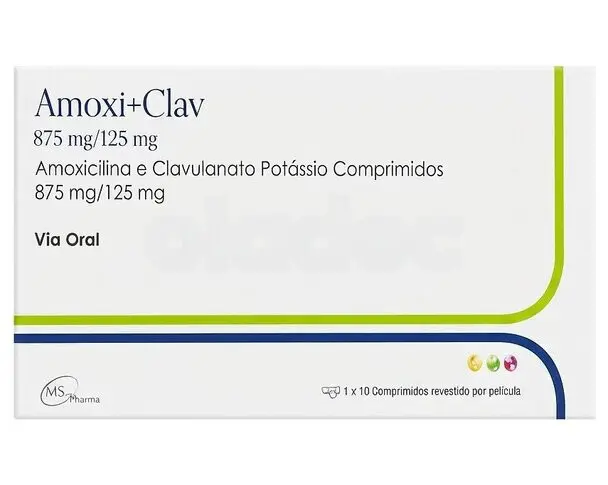
About Amoxi-Clav Injection 1.2gm
Amoxi-Clav Injection 1.2gm pairs amoxicillin with clavulanic acid for serious hospital treated bacterial infections.
Amoxi-Clav Injection 1.2gm Uses
- Treatment of severe respiratory tract infections including pneumonia and severe bronchitis
- Complicated urinary tract infections and kidney infections
- Skin and soft tissue infections including cellulitis and infected wounds
- Intra abdominal infections such as peritonitis
- Bone and joint infections
- Prevention of infection around the time of certain surgeries
Amoxi-Clav Injection 1.2gm Benefits
- Clavulanic acid protects amoxicillin from bacterial enzymes that would otherwise destroy it
- Covers a broader range of bacteria than amoxicillin alone, including resistant strains
- The IV route gives fast, reliable drug levels in patients who cannot take oral antibiotics
- Suitable for hospitalized patients with moderate to severe infections
What Experts Say
Doctors reach for an injectable amoxicillin and clavulanic acid combination when an infection is too severe for oral tablets, or when a patient cannot swallow or absorb oral medicine reliably. The clavulanic acid component blocks the beta lactamase enzymes that many bacteria use to resist plain amoxicillin, which restores the antibiotic's effectiveness against a wider range of organisms.
Hospital teams typically give this injection through a slow intravenous push or a short infusion, timed every eight hours depending on how severe the infection is and how well the kidneys are working. Physicians usually start treatment on a best guess basis for the likely source of infection, then narrow it once culture results identify the exact bacteria involved.
Because this is a penicillin based antibiotic, clinicians always confirm there is no prior history of penicillin allergy before the first dose, and the first injection is often given under close observation. Kidney function guides how the dose is adjusted, since both amoxicillin and clavulanic acid are cleared mainly through the kidneys.
Drug Class
- Beta Lactam Antibiotic (Aminopenicillin)
- Beta Lactamase Inhibitor Combination
Amoxi-Clav Injection 1.2gm Uses in Urdu
- شدید بیکٹیریل انفیکشنز کے علاج کے لیے
- نمونیا اور سانس کی نالی کے شدید انفیکشن کے لیے
- پیشاب کی نالی اور گردوں کے پیچیدہ انفیکشن کے لیے
- جلد اور جراحی کے زخموں کے انفیکشن کے لیے
Amoxi-Clav Injection 1.2gm formula
- Amoxicillin + Clavulanic Acid
How to use Amoxi-Clav Injection 1.2gm?
- Given only by a doctor or trained healthcare professional in a hospital or clinic setting
- Administered by slow intravenous injection or infusion, never given orally or by mouth
- The vial is reconstituted with the correct diluent immediately before use, following hospital protocol
- Complete the full prescribed course even if symptoms improve after a few doses
Drug Interactions
- Allopurinol: Combined use increases the likelihood of a skin rash
- Probenecid: Slows the elimination of amoxicillin, raising blood levels and prolonging its effect
- Warfarin And Other Blood Thinners: Can increase bleeding risk and prolong clotting time, INR should be monitored closely
- Methotrexate: Amoxicillin can reduce methotrexate clearance and increase toxicity risk
- Oral Contraceptives: May reduce the reliability of hormonal birth control, an additional contraceptive method is advised during treatment
Risks and warnings
- Penicillin Allergy: Do not use in patients with a known allergy to penicillin or cephalosporin antibiotics, since severe allergic reactions can occur
- Liver Function: Use with caution in patients with a prior history of liver problems linked to amoxicillin clavulanate, since it can trigger jaundice or liver injury
- Kidney Function: Dose and frequency are adjusted in patients with reduced kidney function to prevent drug buildup
- Infectious Mononucleosis: Avoid in patients with glandular fever, since it can trigger a widespread skin rash
- Pregnancy And Breastfeeding: Use only if clearly needed and under direct medical supervision
Amoxi-Clav Injection 1.2gm Side Effects
- Pain, redness or swelling at the injection site
- Nausea, vomiting or diarrhea
- Skin rash or itching
- Vaginal itching or discharge due to yeast overgrowth
- Headache
- Severe, watery or bloody diarrhea that needs urgent medical attention
- Signs of liver problems such as yellowing of the skin or eyes, dark urine or pale stools
- Easy bruising or unusual bleeding
- Severe allergic reaction with facial swelling, hives or difficulty breathing
- Severe skin reactions with blistering, peeling skin or fever
Storage Conditions
- Store the unopened vial below 25°C, protected from light
- Refrigerate the reconstituted solution if not used immediately and use within the time stated in hospital protocol
- Do not freeze the reconstituted solution
- Keep out of reach of children and dispose of used vials as per hospital sharps policy