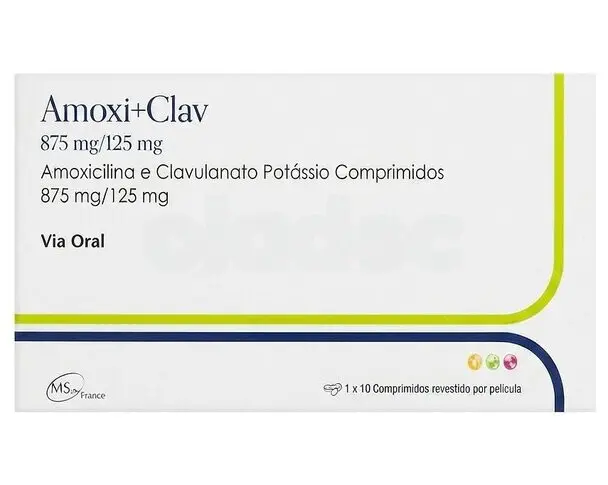
About Amo-Clav Injection 500mg / 100mg
Amoxicillin and clavulanic acid injection for bacterial infections in Pakistan.
Uses
- Treats respiratory tract infections such as pneumonia, bronchitis and sinusitis
- Treats skin and soft tissue infections including wound and abscess infections
- Treats urinary tract infections
- Treats bone and joint infections
- Treats intra abdominal and gynecological infections
- Used for hospital acquired and severe infections that need intravenous antibiotics
Benefits
- Covers a broad range of bacteria, including strains resistant to plain amoxicillin
- Works faster than oral antibiotics because it enters the bloodstream directly
- Suitable for patients who cannot take oral medicine due to vomiting or surgery
- Reduces the risk of an infection spreading to the blood if started early
What Experts Say
Doctors combine amoxicillin with clavulanic acid because many bacteria now produce an enzyme that destroys amoxicillin alone. Clavulanic acid blocks this enzyme so the antibiotic keeps working even against these resistant strains. This makes the injection useful for infections that plain amoxicillin would fail to clear on its own.
Hospitals and clinics choose the injectable form for patients with moderate to severe infections, or for anyone who cannot swallow tablets due to vomiting or a recent surgery. It reaches the bloodstream faster and more reliably than an oral dose, which matters when an infection is spreading quickly or the patient is already unwell.
Specialists still stress that antibiotics only work against bacteria, not viruses, so testing to confirm the cause of infection matters. Completing the full prescribed course matters even after symptoms improve, since stopping early lets surviving bacteria develop resistance. Any history of penicillin allergy must be shared with the doctor before the first dose is given.
Drug Class
- Beta lactam antibiotic combined with a beta lactamase inhibitor
- Belongs to the penicillin group of antibiotics
Amo-Clav Injection 500mg / 100mg Uses in Urdu
- سانس کی نالی کے انفیکشن جیسے نمونیا اور برونکائٹس کے علاج کے لیے
- جلد اور نرم بافتوں کے انفیکشن کے علاج کے لیے
- پیشاب کی نالی کے انفیکشن کے علاج کے لیے
- ہڈیوں اور جوڑوں کے انفیکشن کے علاج کے لیے
- شدید یا ہسپتال میں حاصل ہونے والے انفیکشن کے لیے جہاں رگ میں انجیکشن ضروری ہو
Amo-Clav Injection 500mg / 100mg formula
- Amoxicillin + Clavulanic Acid
How to use Amo-Clav Injection 500mg / 100mg?
- Amo-Clav Injection 500mg / 100mg is given only by a doctor or trained healthcare worker in a hospital or clinic
- It is administered slowly into a vein, usually over three to four minutes
- The dose and frequency depend on the severity of the infection and the patient's kidney function
- Complete the full course even if symptoms improve within a few days
- Do not skip doses, since irregular dosing lowers the antibiotic's effectiveness
Drug Interactions
- Probenecid: Raises amoxicillin levels in the blood and can increase side effects
- Allopurinol: Combined use raises the chance of developing a skin rash
- Oral Contraceptives: May reduce the reliability of birth control pills during treatment
- Warfarin And Other Blood Thinners: Can increase bleeding risk and change clotting test results
- Methotrexate: Levels of methotrexate can rise, increasing the risk of toxicity
Risks and warnings
- Penicillin Allergy: Never use this injection if there is a known allergy to penicillin or cephalosporin antibiotics
- Kidney Disease: Dose adjustment is needed in patients with reduced kidney function
- Liver Problems: Use with caution in patients with a history of liver disease linked to amoxicillin clavulanate
- Pregnancy And Breastfeeding: Use only if the doctor confirms it is clearly needed
- Mononucleosis: Patients with glandular fever have a higher chance of developing a skin rash
Amo-Clav Injection Side Effects
- Diarrhea and loose stools
- Nausea and vomiting
- Skin rash or itching
- Pain, redness or swelling at the injection site
- Vaginal itching or discharge from yeast infection
- Mild stomach upset
- Severe allergic reaction with swelling of the face, lips or throat
- Severe or bloody diarrhea from Clostridium difficile infection
- Yellowing of the skin or eyes from liver problems
- Unusual bruising or bleeding from blood count changes
Storage Conditions
- Store the unopened vial at room temperature, away from direct sunlight
- Refrigerate the reconstituted solution if it is not used immediately
- Discard any unused solution after the time stated by the pharmacist, usually within a few hours
- Keep the injection out of reach of children