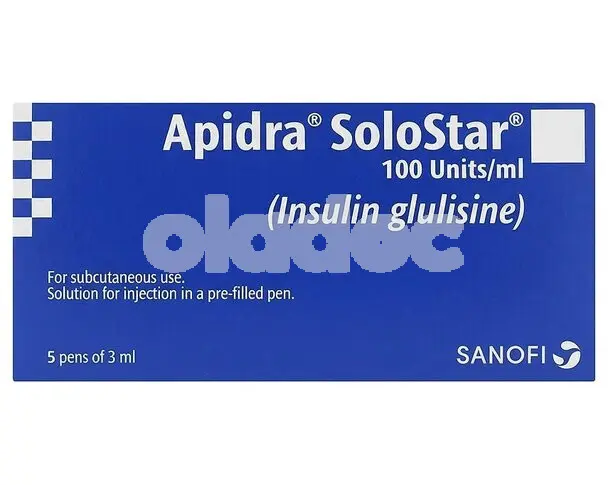
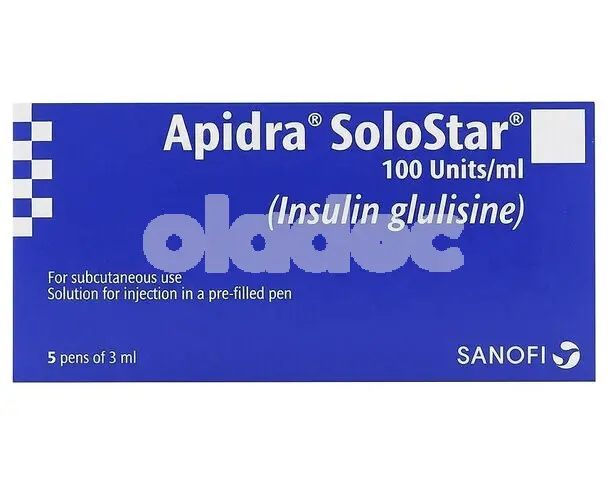
About Apidra 100IU Injection
Apidra 100IU Injection contains insulin glulisine, a rapid acting insulin used to control blood sugar in diabetes.
Apidra 100IU Injection Uses
- Blood sugar control in type 1 diabetes
- Blood sugar control in type 2 diabetes when other treatments are not enough
- Mealtime insulin coverage as part of a basal bolus insulin plan
- Use in insulin pumps for continuous subcutaneous infusion
Apidra 100IU Injection Benefits
- Starts working within about 15 minutes, matching the rise in blood sugar after meals
- Shorter duration of action lowers the risk of delayed low blood sugar compared with older insulins
- Can be injected just before or shortly after a meal for flexible dosing
- Suitable for use in insulin pumps as well as pen or syringe injections
Drug Class
- Rapid acting insulin analogue
What Experts Say
Insulin Glulisine is a genetically engineered insulin analogue designed to be absorbed faster than regular human insulin. Small changes in its amino acid structure prevent it from clumping together under the skin, allowing it to enter the bloodstream and start lowering blood sugar within about 15 minutes of injection.
Doctors usually set the dose based on carbohydrate counting and current blood sugar readings, adjusting it as meals, activity, and illness change insulin needs. Because it acts quickly and wears off sooner than older insulins, missing a meal after injecting can lead to a sudden drop in blood sugar, so timing matters.
Type 2 diabetes affects a large and growing share of adults across Pakistan, and many eventually need insulin once tablets alone cannot control blood sugar well enough. Regular blood glucose monitoring and rotating injection sites are standard advice to keep control steady and avoid skin changes at injection points.
Apidra 100IU Injection Uses in Urdu
- ٹائپ 1 ذیابیطس میں بلڈ شوگر کنٹرول کرنے کے لیے
- ٹائپ 2 ذیابیطس میں جب دوسری دوائیں کافی نہ ہوں
- کھانے کے وقت انسولین کی خوراک کے طور پر
- انسولین پمپ میں استعمال کے لیے
Apidra 100IU Injection formula
How to use Apidra 100IU Injection?
- Inject Apidra 100IU under the skin of the abdomen, thigh, or upper arm
- Inject within 15 minutes before a meal or soon after starting to eat
- Rotate the injection site each time to prevent skin thickening
- Check blood sugar regularly as advised by your doctor
- Do not mix with insulins other than NPH insulin unless your doctor approves it
- Never reuse or share needles or pens
Drug Interactions
- Oral antidiabetic medicines: Combined use increases the risk of low blood sugar.
- Beta blockers: Can mask the warning signs of low blood sugar such as a fast heartbeat.
- Steroids: Can raise blood sugar and reduce insulin's effect, needing dose adjustment.
- Alcohol: Can increase the risk of delayed low blood sugar.
Risks and warnings
- Low blood sugar: The most common risk, especially if a meal is delayed or skipped after injecting.
- Dose errors: Mixing up units or insulin types can cause dangerous blood sugar swings.
- Kidney or liver disease: May change insulin needs and require dose adjustment.
- Illness and stress: Blood sugar needs can rise sharply during infection or illness.
- Injection site changes: Repeated use of the same spot can cause lumps that affect insulin absorption.
Apidra 100IU Injection Side Effects
- Low blood sugar (hypoglycemia)
- Redness, swelling, or itching at the injection site
- Weight gain over time
- Skin thickening or lumps with repeated injections at the same spot
- Allergic reactions in rare cases
- Low potassium levels with high doses
Storage Conditions
- Store unopened Apidra vials or pens in the refrigerator between 2 and 8 degrees Celsius
- Do not freeze, and discard if it has been frozen
- Once in use, keep at room temperature below 25 degrees Celsius and use within the time stated on the pack
- Keep away from direct heat and sunlight
- Keep out of reach of children