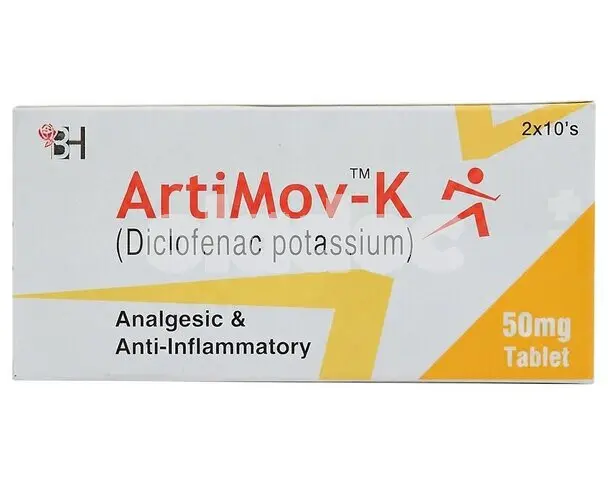
About Artimov-K Tablet 50mg
Diclofenac Potassium NSAID tablet for fast relief from acute pain, swelling and fever in adults.
Artimov-K Tablet 50mg Uses
- Relief of mild to moderate acute pain such as headache, dental pain and muscle strain
- Menstrual cramps (dysmenorrhea)
- Fever reduction
- Post-operative and post-injury pain management
- Acute flare-ups of osteoarthritis and rheumatoid arthritis pain
- Migraine attack pain relief
Artimov-K Tablet 50mg Benefits
- Faster onset of action than diclofenac sodium due to the potassium salt form
- Effective for short-term acute pain and inflammation control
- Lower 50mg strength allows a gentler starting dose for sensitive patients
- Reduces fever alongside pain relief
- Widely available and affordable across pharmacies in Pakistan
What Experts Say
Doctors in Pakistan often prefer diclofenac potassium over other NSAIDs for acute pain because it dissolves and absorbs faster than the sodium salt form. This matters in the first hour after a dose, when patients want quick relief from a bad headache, a strained back or period cramps. The 50mg strength gives prescribers a lower starting dose before stepping up to 75mg or 100mg if pain persists.
Physicians also caution that diclofenac carries the same class warnings as other NSAIDs. Regular use raises the risk of stomach irritation, ulcers and, in people with heart disease or high blood pressure, cardiovascular events. Pharmacists generally recommend taking it with food and limiting use to the shortest duration needed to control symptoms.
Clinical guidance also stresses checking kidney function before longer courses, since NSAIDs reduce blood flow to the kidneys. Patients with existing kidney disease, dehydration or those on diuretics are advised to use alternatives like paracetamol first and reserve diclofenac potassium for short, supervised courses.
Drug Class
- Nonsteroidal anti-inflammatory drug (NSAID)
- Phenylacetic acid derivative
- Non-selective COX-1 and COX-2 inhibitor
Artimov-K Tablet 50mg Uses in Urdu
- سر درد، دانت کے درد اور پٹھوں کے درد میں آرام کے لیے
- ماہواری کے درد میں کمی کے لیے
- بخار کو کم کرنے کے لیے
- آپریشن کے بعد ہونے والے درد میں
- جوڑوں کی سوزش اور گٹھیا کے درد میں
- مائیگرین کے دورے کے درد میں آرام کے لیے
Artimov-K Tablet 50mg formula
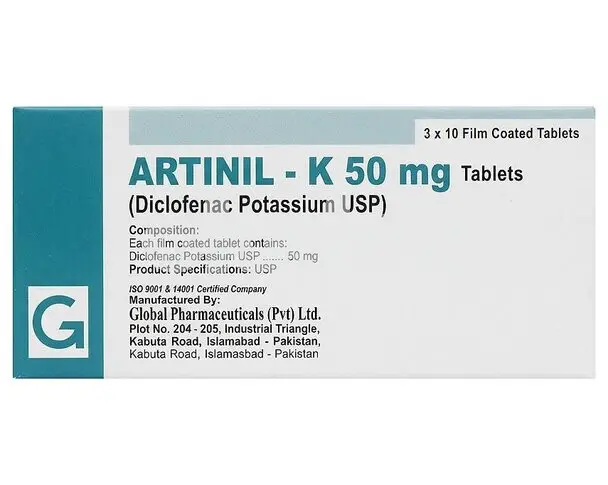
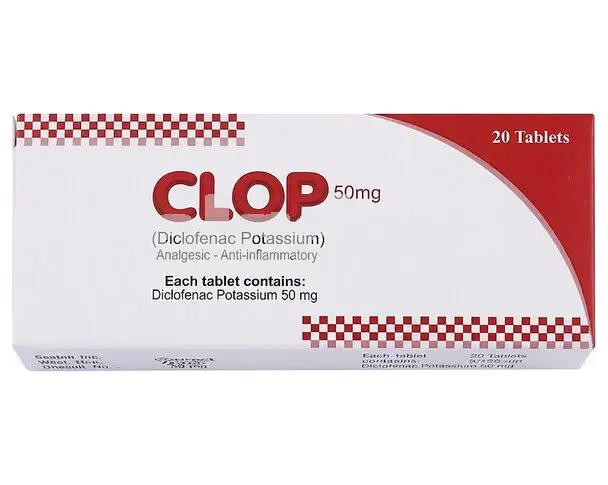
- Diclofenac Potassium 50mg
How to use Artimov-K Tablet 50mg?
- Take one Artimov-K Tablet 50mg by mouth, usually 2 to 3 times a day as directed by your doctor
- Swallow the tablet whole with a full glass of water
- Take with food or milk to reduce stomach upset
- Do not exceed the dose or duration prescribed by your doctor
- Do not crush or chew the tablet
- Use the lowest effective dose for the shortest time needed to control symptoms
Drug Interactions
- Aspirin and other NSAIDs: Combined use raises the risk of stomach bleeding and reduces the pain relieving benefit
- Warfarin and other blood thinners: Increases the risk of serious bleeding
- ACE inhibitors and ARBs: Diclofenac can reduce their blood pressure lowering effect and affect kidney function
- Diuretics: May reduce the effectiveness of water pills and raise the risk of kidney problems
- Lithium: Diclofenac can raise lithium levels in the blood to unsafe levels
- Methotrexate: Increases methotrexate levels and the risk of toxicity
Risks and warnings
- Cardiovascular Risk: NSAIDs including diclofenac can increase the risk of heart attack or stroke, especially with long term use or existing heart disease
- Gastrointestinal Risk: May cause stomach ulcers, bleeding or perforation, particularly in older adults or with prolonged use
- Kidney Function: Can reduce blood flow to the kidneys and worsen kidney function in people with existing kidney disease or dehydration
- Pregnancy: Should be avoided, especially in the third trimester, due to risks to the unborn baby
- Liver Disease: Use with caution as diclofenac can affect liver enzyme levels
- Allergy: Avoid if you have had an allergic reaction to diclofenac, aspirin or other NSAIDs
Artimov-K Tablet 50mg Side Effects
- Stomach pain or indigestion
- Nausea or vomiting
- Heartburn
- Headache or dizziness
- Diarrhea or constipation
- Skin rash or itching
- Fluid retention or swelling in the legs
- Stomach ulcers or gastrointestinal bleeding
- Signs of a heart attack or stroke such as chest pain or sudden weakness
- Severe allergic reaction with swelling of the face, lips or throat
- Yellowing of the skin or eyes indicating liver problems
Storage Conditions
- Store below 30 degrees Celsius in a cool, dry place
- Keep the tablets in their original blister pack away from direct sunlight
- Keep out of reach of children
- Do not use the tablet after the expiry date printed on the pack