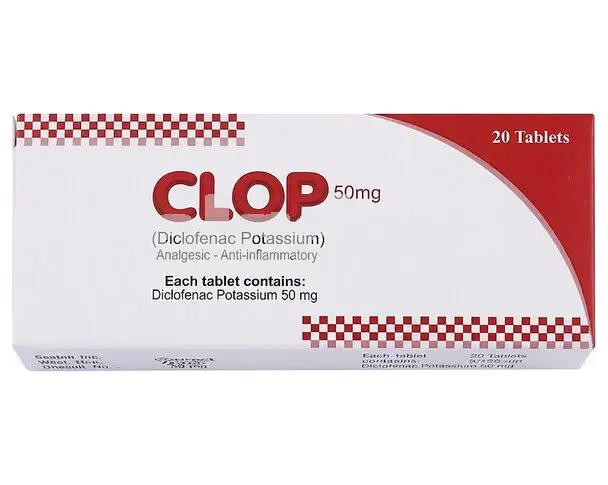
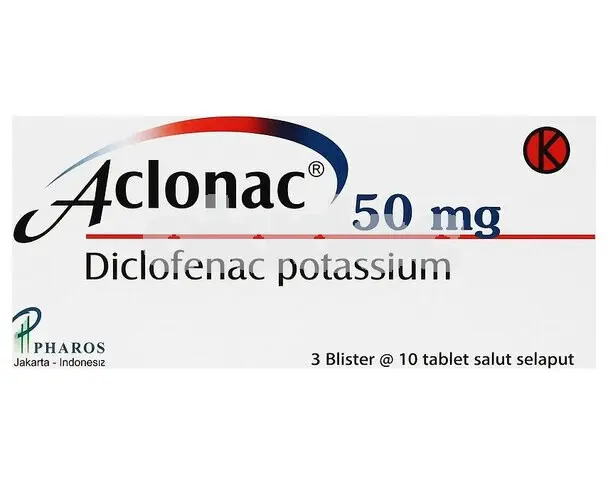
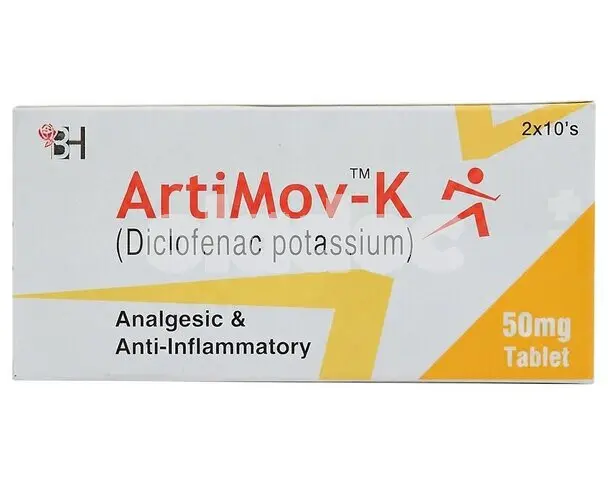
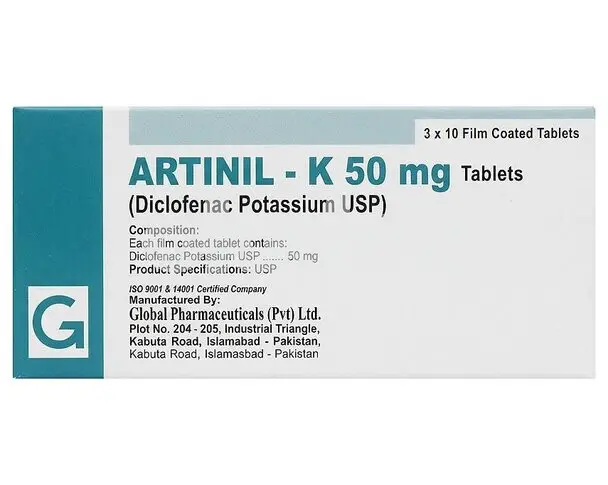
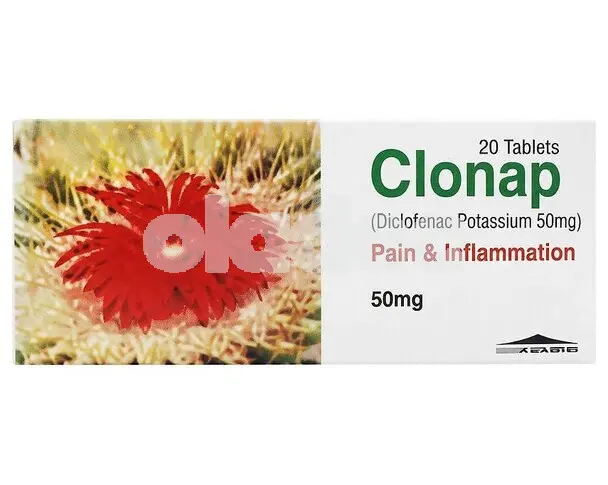
About Clop Tablet 50mg
A fast acting tablet that relieves pain and swelling from muscle, joint, and body aches.
Clop Tablet Uses
- Osteoarthritis and rheumatoid arthritis pain
- Back pain and muscle strain
- Pain after surgery
- Menstrual cramps
- Dental pain
Clop Tablet Benefits
- Fast pain relief due to quick absorption of the potassium salt
- Reduces swelling and inflammation alongside pain
- Improves mobility in joint and muscle conditions
What Experts Say
Diclofenac potassium blocks the COX-1 and COX-2 enzymes that produce prostaglandins, the chemicals responsible for pain and swelling. The potassium salt dissolves faster than the sodium form, which is why this tablet tends to relieve pain more quickly after a dose.
Pakistani physicians generally recommend using the lowest effective dose for the shortest possible time, since musculoskeletal pain from arthritis, injury, and muscle strain is common but long term NSAID use carries added risk. Short courses are preferred whenever the underlying pain is expected to settle on its own.
Before prescribing, doctors typically weigh a patient's stomach and cardiovascular risk, since both organ systems can be affected by regular NSAID use. Older patients and those with reduced kidney function are monitored more closely, because diclofenac can reduce blood flow to the kidneys during treatment.
Drug Class
- Nonsteroidal Anti Inflammatory Drug (NSAID)
Clop Tablet 50mg Uses in Urdu
- جوڑوں کے درد میں آرام
- مسلز کی سوزش اور درد کا علاج
- ماہواری کے درد میں استعمال
- آپریشن کے بعد درد میں کمی
Clop Tablet 50mg formula
- Diclofenac Potassium 50mg
How to use Clop Tablet 50mg?
- This tablet is usually taken with food or milk to reduce stomach irritation.
- The lowest effective dose is used for the shortest time needed to control the pain.
- The tablet is swallowed whole with a full glass of water, without crushing or chewing.
- Two doses are not taken close together to make up for a missed one.
- Plenty of fluids are recommended during treatment, especially in hot weather.
Drug Interactions
- Aspirin And Other NSAIDs: Combining these raises the risk of stomach irritation and bleeding.
- Anticoagulants: Warfarin and similar blood thinners carry a higher bleeding risk when combined with this tablet.
- ACE Inhibitors And ARBs: This medicine can reduce the blood pressure lowering effect of these drugs and add strain on the kidneys.
- Diuretics: Water tablets may work less well when taken with this medicine, and kidney function needs closer monitoring.
- Lithium: This tablet can raise lithium levels in the blood, so levels are checked more often during use.
Risks and warnings
- Heart Risk: Regular NSAID use, including diclofenac, is linked to a higher risk of heart attack and stroke, especially with long term use.
- Stomach Bleeding: This medicine can irritate the stomach lining, and long term use raises the risk of ulcers or bleeding.
- Kidney Function: This tablet can reduce blood flow to the kidneys, so it is used cautiously in people with existing kidney disease.
- Pregnancy: This medicine is avoided in the last trimester of pregnancy, since it can affect the baby's circulation.
- Liver Function: Rare cases of liver enzyme elevation have been reported, so long courses are monitored by a doctor.
Clop Tablet Side Effects
- Stomach pain
- Heartburn
- Nausea
- Diarrhea
- Dizziness
- Headache
- Fluid retention or swelling in the legs
- Rare serious stomach bleeding or ulcer
- Rare increase in liver enzymes
Storage Conditions
- Store below 30°C away from direct sunlight and heat.
- Keep tablets in their original blister strip until use.
- Protect from moisture, especially in humid weather.
- Keep out of reach of children at all times.