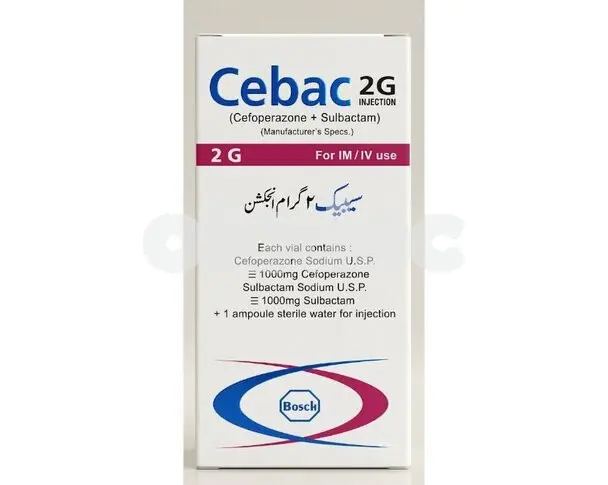
About Biped Injection 1000mg/1000mg
A high strength Cefoperazone and Sulbactam injection used for severe bacterial infections in hospital care.
Biped Injection 1000mg/1000mg Uses
- Severe respiratory tract infections including hospital acquired pneumonia
- Complicated intra abdominal infections such as peritonitis
- Serious skin and soft tissue infections
- Complicated urinary tract infections
- Septicemia, meaning bacteria present in the bloodstream
- Postoperative infections following abdominal or pelvic surgery
Drug Class
- Third generation cephalosporin (Cefoperazone) combined with a beta lactamase inhibitor (Sulbactam)
What Experts Say
A jump to the 1000mg/1000mg strength gives doctors a higher dose option for infections that are more severe or slow to respond to lower strength antibiotics. The mechanism stays the same as the 500mg/500mg version. Sulbactam protects Cefoperazone from being broken down by resistant bacteria so the antibiotic can keep working.
Hospitals in Pakistan often reach for this higher strength in intensive care or surgical settings, where infections tend to be more complex and the patient's condition can change quickly. A higher dose also means the interval between injections can sometimes be adjusted, which helps nursing staff plan care around other treatments the patient may need.
Because the dose is larger, monitoring blood counts and liver or kidney function becomes even more important during treatment. Specialists watch for any sign of an allergic reaction or unusual bleeding, particularly in patients who are also on blood thinners. Careful dose calculation by the treating doctor keeps this strength both effective and safe.
Biped Injection 1000mg/1000mg Uses in Urdu
- شدید نوعیت کے سانس کی نالی کے انفیکشن بشمول ہسپتال میں لگنے والا نمونیا
- پیچیدہ پیٹ کے اندرونی انفیکشن جیسے پیریٹونائٹس
- جلد اور نرم بافتوں کے شدید انفیکشن
- پیچیدہ پیشاب کی نالی کے انفیکشن
- خون میں انفیکشن یعنی سیپٹی سیمیا
- پیٹ یا پیڑو کی سرجری کے بعد ہونے والے انفیکشن
Biped Injection 1000mg/1000mg formula
- Cefoperazone Sodium 1000mg + Sulbactam Sodium 1000mg
Available forms
- Powder for Injection, 1 vial per pack
How to use Biped Injection 1000mg/1000mg?
- Biped Injection 1000mg/1000mg is given only by a doctor, nurse, or trained healthcare worker, usually in a hospital setting.
- The dose depends on how severe the infection is and on the patient's kidney and liver function.
- Administration is by slow intravenous infusion or, less commonly, deep intramuscular injection.
- The prescribed course is finished in full, even once symptoms start to settle, to prevent the infection from returning.
- Any dose change or missed dose is handled entirely by the treating medical team.
Drug Interactions
- Aminoglycosides: Combined use with drugs such as Amikacin or Gentamicin can add to kidney strain, so function is checked regularly.
- Anticoagulants: The bleeding risk from Warfarin or similar blood thinners can rise when combined with this injection.
- Alcohol: Alcohol is best avoided throughout treatment and for a few days after, since it can trigger flushing and a rapid pulse.
- Probenecid: This drug can raise Cefoperazone levels in the blood, so the treating doctor adjusts monitoring accordingly.
Risks and warnings
- Allergy Risk: A known allergy to penicillins, cephalosporins, or related antibiotics rules out this medicine.
- Kidney Or Liver Disease: This higher strength needs careful dose adjustment in patients with impaired kidney or liver function.
- Pregnancy: Use in pregnancy is limited to situations where the doctor judges the benefit outweighs any risk.
- Breastfeeding: Trace amounts reach breast milk, so a doctor's advice is needed before breastfeeding during treatment.
- Bleeding Tendency: Higher doses carry a slightly greater chance of low platelet count or bleeding related side effects.
- Superinfection: A longer course at this strength can allow resistant bacteria or fungi to overgrow.
Biped Injection 1000mg/1000mg Side Effects
- Pain, redness, or swelling at the injection site
- Nausea, vomiting, or diarrhea
- Skin rash or itching
- Reduced white blood cell count
- Lower hemoglobin levels
- Elevated liver enzymes on blood tests
- Severe allergic reaction such as swelling of the face or throat, which is a medical emergency
Storage Conditions
- The vial is stored at room temperature below 25°C, protected from light.
- Reconstituted solution is used promptly, within the window the pharmacist specifies.
- This medicine stays well out of reach of children at all times.
- Expired or unused vials are returned to the hospital or pharmacy for safe disposal.