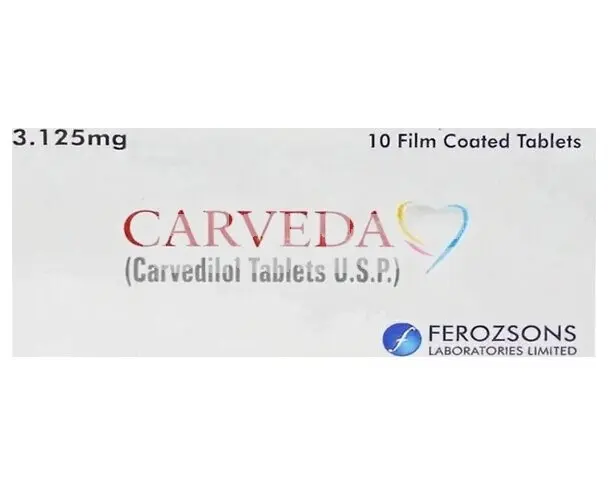
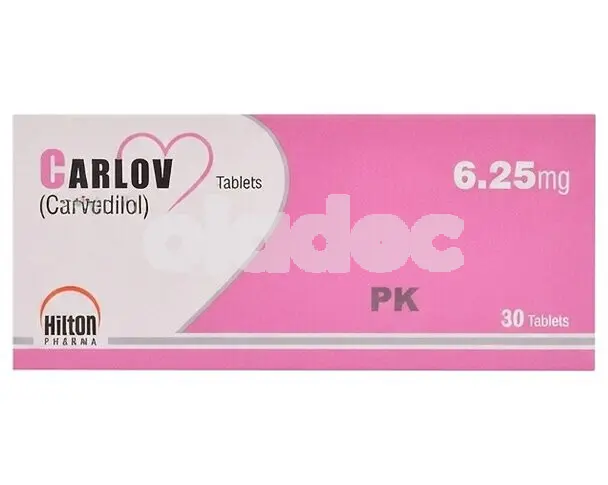
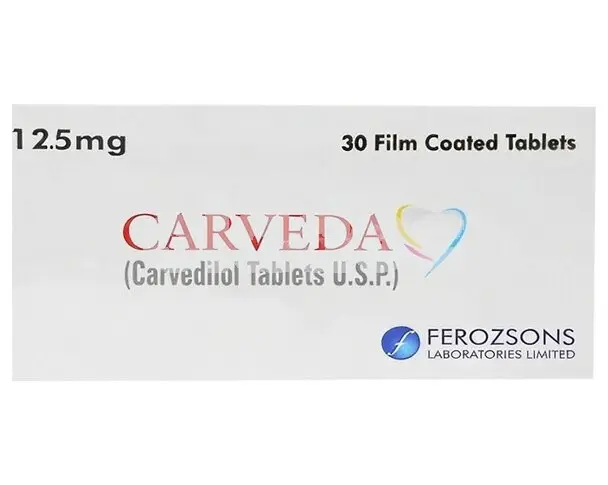
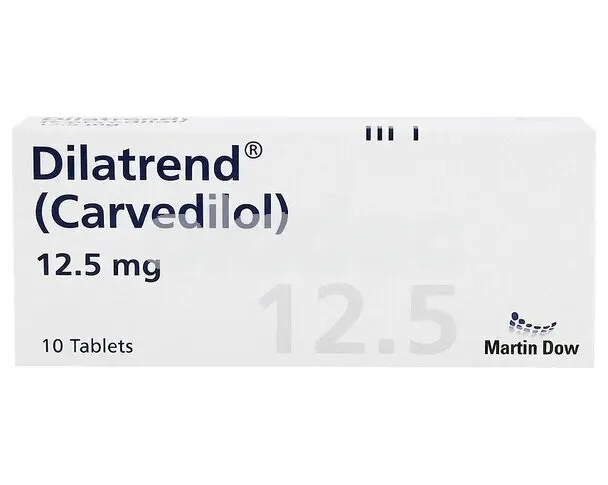
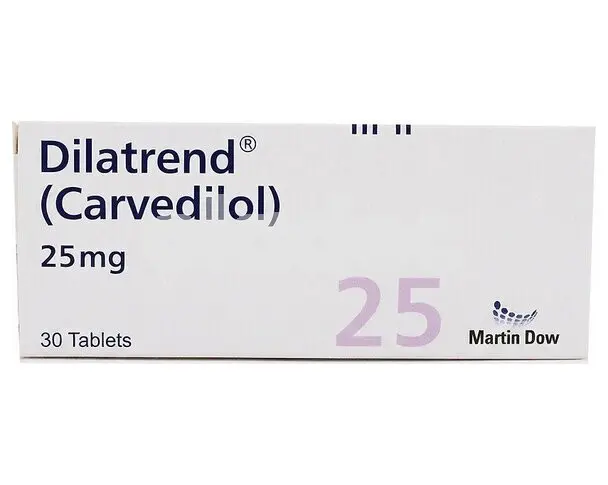
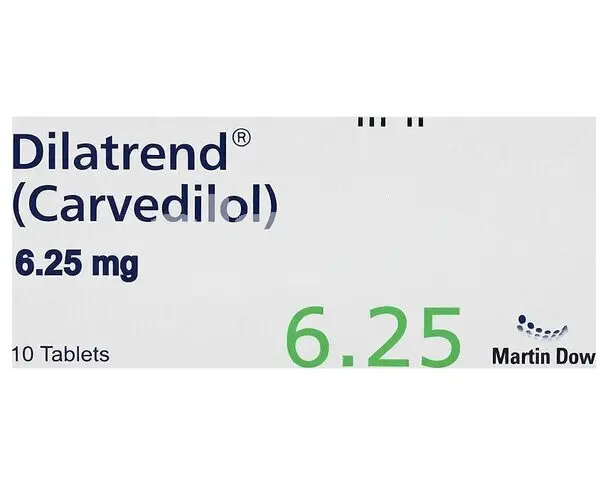
About Carveda Tablet 3.125mg
Carveda Tablet 3.125mg contains Carvedilol, a beta blocker used as a low starting dose in heart failure.
Carveda Tablet 3.125mg Uses
- Starting dose for treatment of chronic heart failure
- Treatment of high blood pressure (hypertension)
- Used after a heart attack to improve survival in patients with reduced heart function
- Management of angina in some patients under specialist guidance
- Used to gently begin beta blocker therapy in patients sensitive to blood pressure drops
Carveda Tablet 3.125mg Benefits
- Lowest available strength allows safe, gradual titration in heart failure
- Reduces strain on the heart by blocking both beta and alpha receptors
- Helps improve long term survival when used as part of heart failure therapy
- Minimizes the risk of an early sharp drop in blood pressure
- Twice daily dosing suits patients starting a new heart medicine cautiously
What Experts Say
Carvedilol is a combined alpha and beta blocker, meaning it slows the heart rate and reduces blood vessel constriction at the same time. In heart failure, cardiologists start at the lowest possible dose because the heart muscle needs time to adjust to reduced adrenaline stimulation without becoming acutely overwhelmed.
The 3.125mg starting dose, usually taken twice daily with food, is doubled roughly every two weeks as tolerated, watched closely for symptoms like dizziness, fatigue, or worsening fluid retention. This slow titration approach has been shown in major heart failure trials to improve long term outcomes while minimizing the risk of an early drop in blood pressure or heart rate.
Physicians typically check blood pressure, heart rate, and signs of fluid overload at each dose increase, and they counsel patients not to stop the medicine abruptly, since sudden discontinuation can worsen underlying heart disease. This careful, incremental approach is central to safely establishing carvedilol therapy in heart failure patients.
Drug Class
- Non-selective Beta Blocker with Alpha-1 Blocking Activity
Carveda Tablet 3.125mg Uses in Urdu
- دل کی ناکامی کے علاج کی ابتدائی خوراک کے طور پر
- ہائی بلڈ پریشر کے علاج کے لیے
- ہارٹ اٹیک کے بعد دل کے فنکشن کو بہتر بنانے کے لیے
- مخصوص مریضوں میں انجائنا کے علاج کے لیے
- حساس مریضوں میں بیٹا بلاکر تھراپی احتیاط سے شروع کرنے کے لیے
Carveda Tablet 3.125mg formula
How to use Carveda Tablet 3.125mg?
- Take exactly as prescribed by your doctor, usually twice daily with food to reduce the risk of dizziness
- Swallow the tablet whole with a glass of water
- Do not stop taking this medicine suddenly, even if you feel well
- Your doctor will gradually increase the dose over several weeks based on how you respond
- Take at the same times each day for consistent blood levels
Drug Interactions
- Calcium Channel Blockers such as Verapamil or Diltiazem: Combined use can cause a dangerously slow heart rate
- Insulin and Oral Diabetes Medicines: Carvedilol can mask signs of low blood sugar
- Other Antihypertensives: Additive blood pressure lowering effect requires careful monitoring
- Digoxin: Carvedilol can raise digoxin blood levels
- Clonidine: Stopping clonidine while on carvedilol can cause a dangerous rise in blood pressure
Risks and warnings
- Worsening Heart Failure: Some patients may experience temporary worsening of symptoms when starting therapy, requiring close monitoring
- Asthma or COPD: Can worsen breathing problems in patients with reactive airway disease
- Low Blood Pressure or Slow Heart Rate: Requires caution and dose adjustment if these occur
- Diabetes: May mask the warning signs of low blood sugar such as a racing heartbeat
- Liver Impairment: Use with caution since carvedilol is metabolized by the liver
- Sudden Discontinuation: Stopping abruptly can worsen angina or trigger a heart rhythm problem
Carveda Tablet 3.125mg Side Effects
- Dizziness
- Fatigue
- Low blood pressure
- Slow heart rate
- Headache
- Diarrhea
- Weight gain
- Blurred vision
- Swelling in the legs or ankles
- Shortness of breath in sensitive individuals
Storage Conditions
- Store below 30°C in a cool, dry place
- Keep the tablets in their original blister strip away from moisture
- Protect from direct sunlight and humidity
- Keep out of reach of children
- Do not use tablets past their expiry date