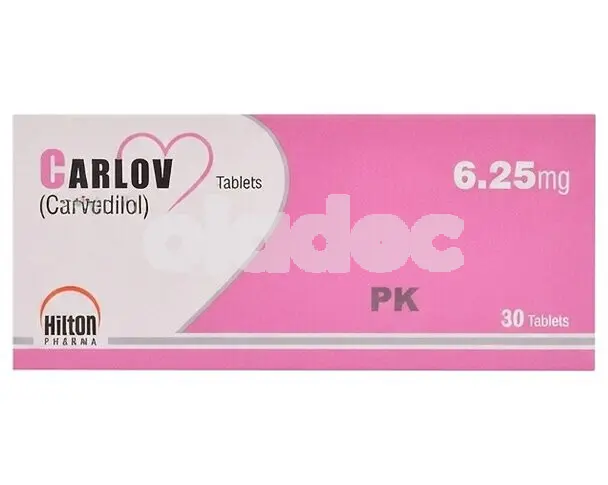
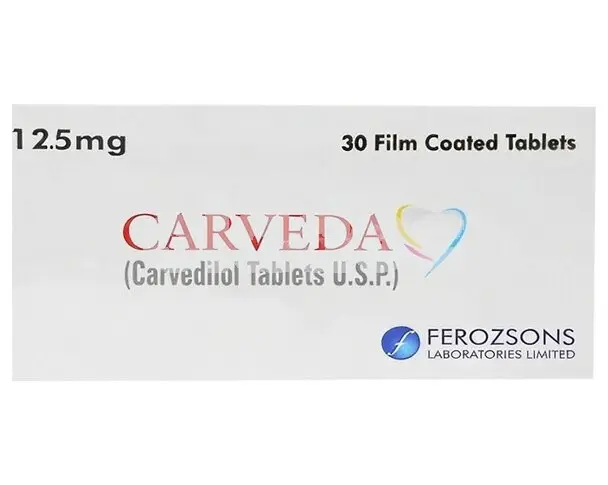
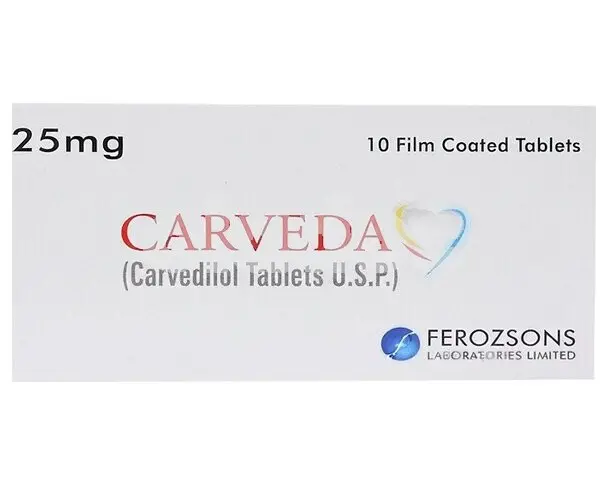
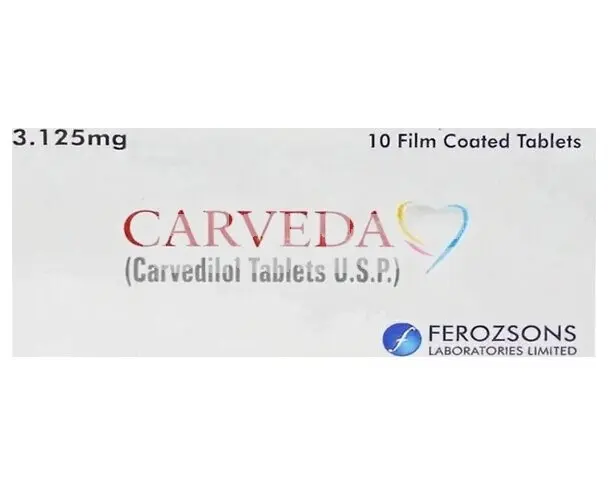
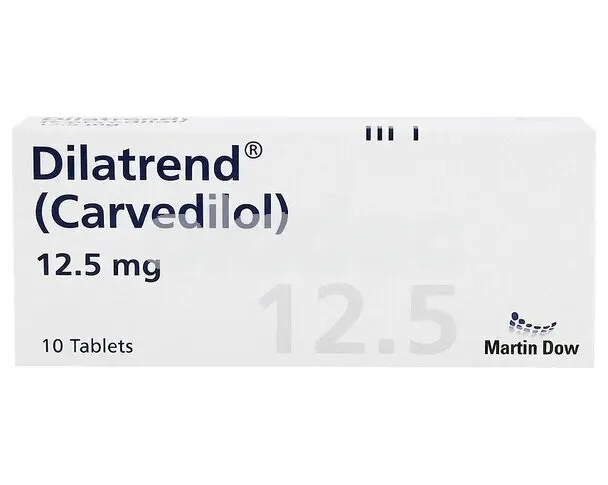
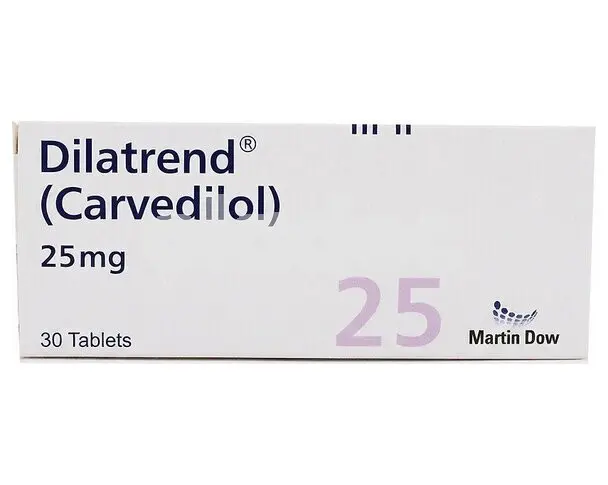
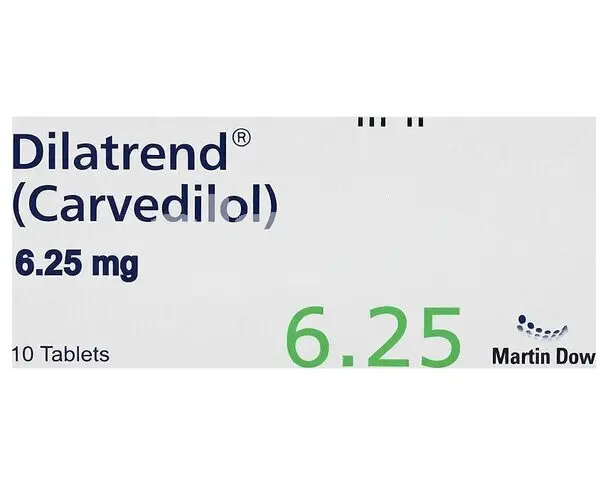
About Carveda Tablet 6.25mg
Carveda is a beta-blocker used to treat high blood pressure and heart disease.
Carveda Tablet Uses
- Treatment of hypertension and essential high blood pressure to reduce cardiovascular risk.
- Management of congestive heart failure and left ventricular dysfunction reducing workload.
- Treatment of angina and reduction of chest pain from reduced heart blood flow.
- Improvement of survival and left ventricular function after myocardial infarction.
Carveda Tablet Benefits
- Reduces blood pressure effectively lowering cardiovascular disease risk.
- Decreases heart workload and oxygen demand improving cardiac efficiency.
- Slows heart rate preventing tachycardia and arrhythmias.
- Improves heart function in heart failure patients with enhanced prognosis.
- Provides antioxidant protection reducing oxidative cardiac damage.
What Experts Say
Carvedilol is a nonselective beta-blocker with additional alpha-1 adrenergic receptor antagonism, providing dual hemodynamic and neurohormonal benefits in cardiovascular disease. The beta-blockade slows heart rate and decreases cardiac contractility through inhibition of adrenergic receptor signaling. The alpha-1 antagonism produces peripheral vasodilation reducing systemic vascular resistance and afterload on the heart.
Carvedilol undergoes extensive first-pass hepatic metabolism via CYP2D6 and CYP2C9 producing inactive metabolites, resulting in a half-life of 6 to 10 hours supporting twice-daily dosing. Peak plasma concentrations occur within 1 to 2 hours with effects lasting 24 hours or more. The drug demonstrates high protein binding and extensive tissue distribution.
Clinical efficacy is well established in essential hypertension, congestive heart failure with improved survival, post-myocardial infarction recovery, and angina pectoris. The combination of beta and alpha-1 blockade provides superior blood pressure control and heart failure management compared to pure beta-blockers, particularly in reducing sudden cardiac death.
Drug Class
- Nonselective Beta-Blocker with Alpha-1 Antagonism
Packaging and Quantity
- Strip containing 10 tablets or blister pack containing 30 tablets.
When Not to Use Carveda
- Known hypersensitivity or allergy to carvedilol or other beta-blockers.
- Second or third degree atrioventricular block or severe bradycardia.
- Uncontrolled heart failure, cardiogenic shock, or severe hypotension.
- Asthma, COPD, or severe respiratory disease requiring medication.
Carveda Tablet Uses in Urdu
Carveda Tablet ایک دوا ہے جو ہائی بلڈ پریشر (ہائی بلڈ پریشر)، دل کی ناکامی، اور دل کی تال کی بعض خرابیوں کے علاج کے لیے استعمال ہوتی ہے۔ اس میں کارویڈیلول ایک فعال جزو کے طور پر ہوتا ہے جس کا تعلق دوائیوں کی کلاس سے ہے جسے بیٹا بلاکرز کہتے ہیں۔ کارویڈیلول دل اور خون کی نالیوں پر ہارمون ایڈرینالین کے اثرات کو روک کر کام کرتا ہے، جو دل کے کام کا بوجھ کم کرنے، بلڈ پریشر کو کم کرنے اور خون کے بہاؤ کو بہتر بنانے میں مدد کرتا ہے۔
Carveda Tablet 6.25mg formula
How to use Carveda Tablet 6.25mg?
- Take with food to enhance absorption and minimize gastrointestinal upset.
- Swallow tablet whole with water without crushing or chewing.
- Take at the same time each day for consistent blood pressure control.
- Do not abruptly stop taking this medication as sudden withdrawal may cause rebound hypertension.
- Gradual dose adjustment under medical supervision may be necessary based on response.
- Take 6.25mg once or twice daily as prescribed by your healthcare provider.
Drug Interactions
Carvedilol interacts with multiple medications affecting cardiovascular and metabolic function:
- Calcium channel blockers: Combined use increases risk of excessive bradycardia and heart block.
- Antiarrhythmic drugs: Increased risk of cardiac conduction abnormalities and arrhythmias.
- NSAIDs and COX-2 inhibitors: Reduce antihypertensive efficacy and increase renal impairment risk.
- Diabetes medications: Carvedilol may mask hypoglycemia symptoms and affect glucose control.
- Clonidine: Abrupt discontinuation may cause severe hypertensive rebound crisis.
Risks and warnings
- Abrupt discontinuation: Never stop suddenly as it may cause rebound hypertension and acute coronary syndrome; gradual tapering required.
- Respiratory disease: Use with caution in asthma or COPD as beta-blockade may cause bronchospasm.
- Diabetes mellitus: May mask hypoglycemia symptoms and impair glucose control; monitor blood sugar closely.
- Hepatic impairment: Contraindicated in severe liver disease; dose reduction required in mild to moderate hepatic dysfunction.
- Hypotension and bradycardia: Monitor blood pressure and heart rate regularly; dosage adjustment may be necessary.
- Pregnancy and breastfeeding: Use only if clearly needed as safety in pregnancy not fully established; benefits must outweigh risks.
Carveda Tablet Side Effects
Most patients tolerate this medication well with manageable side effects.
- Dizziness or light-headedness especially with position changes.
- Fatigue, weakness, or tiredness.
- Headache.
- Weight gain or fluid retention.
- Cold extremities or reduced peripheral circulation.
Serious side effects are uncommon but require immediate medical attention:
- Severe hypotension or syncope.
- Bradycardia or cardiac arrhythmias.
- Acute heart failure decompensation or pulmonary edema.
- Severe allergic reactions or angioedema.
Storage Conditions
- Store at room temperature between 15-30°C.
- Keep away from direct sunlight and excessive heat.
- Protect from moisture and store in a dry location.
- Keep in original blister strip or tablet container.
- Keep out of reach of children and pets.
- Do not use after the expiration date on the packaging.