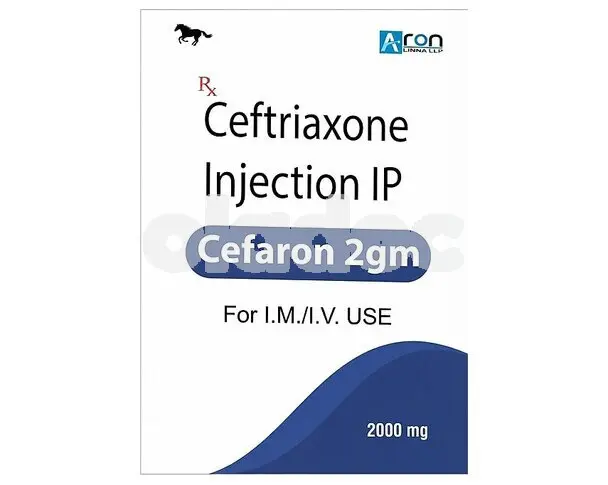
About Cefxone Injection 2gm
Cefxone Injection 2gm is a hospital-grade ceftriaxone antibiotic for severe bacterial infections.
What is Cefxone Injection 2gm used for
- Severe pneumonia and lower respiratory tract infections
- Bacterial meningitis
- Complicated urinary tract infections
- Skin, bone, and joint infections
- Sepsis and hospital-acquired infections
How does Cefxone Injection 2gm work
Cefxone contains ceftriaxone sodium, a third-generation cephalosporin antibiotic. It stops bacteria from building their protective cell wall, which causes the bacteria to die off.
Because of its broad coverage, doctors in Pakistan often use it for serious infections that need fast, high-dose treatment in a hospital setting.
Who should not use Cefxone Injection 2gm
- People with a known allergy to ceftriaxone or other cephalosporin antibiotics
- Premature babies or newborns with jaundice
- Infants who are also receiving calcium-containing IV fluids
- Patients with a history of severe penicillin allergy, unless cleared by a doctor
How is Cefxone Injection 2gm given in hospitals across Pakistan
Most public and private hospitals in Lahore, Karachi, Islamabad, and Rawalpindi stock ceftriaxone injections for emergency and inpatient use.
It is usually given once or twice daily depending on the infection, and treatment length is decided by the treating physician.
- شدید نمونیا اور سانس کی نالی کے انفیکشن کا علاج
- دماغی جھلی کی سوزش یعنی میننجائٹس کا علاج
- پیچیدہ پیشاب کی نالی کے انفیکشن
- ہڈیوں اور جوڑوں کے انفیکشن
- خون میں پھیلنے والے شدید بیکٹیریل انفیکشن یعنی سیپسس
Cefxone Injection 2gm formula
How to use Cefxone Injection 2gm?
- Given only by a doctor, nurse, or pharmacist through intravenous infusion or intramuscular injection.
- Dose and duration depend on the type and severity of the infection.
- Should not be administered at home without medical supervision.
- The full course must be completed even if symptoms improve early.
- Blood tests may be advised during treatment for patients with kidney or liver disease.
Drug Interactions
- Calcium-containing IV fluids: Mixing with calcium solutions such as Ringer's lactate can form harmful precipitates, especially dangerous in newborns.
- Warfarin and other blood thinners: May increase the risk of bleeding, so clotting levels should be monitored.
- Aminoglycoside antibiotics: Combined use requires kidney function monitoring due to added strain on the kidneys.
- Probenecid: May change how the body clears the antibiotic, so a dose adjustment might be needed.
Risks and warnings
- Prescription only: This injection must be given by a doctor or trained healthcare worker in a clinic or hospital setting.
- Neonatal caution: Should not be used in newborns with jaundice or premature babies due to risk of severe complications.
- Penicillin allergy: Patients with a history of severe penicillin allergy should tell their doctor before this injection is given.
- Self-medication risk: Antibiotic resistance is a growing concern in Pakistan, so this injection should never be bought or used without a valid prescription.
- IV fluid caution: Should not be mixed with calcium-containing IV fluids in infants because of a risk of fatal drug interaction.
- Common: Pain, redness, or swelling at the injection site
- Common: Diarrhea or an upset stomach
- Common: Nausea and mild skin rash
- Serious: Severe allergic reaction with facial swelling or difficulty breathing
- Serious: Severe or bloody diarrhea
- Serious: Yellowing of the skin or eyes
Storage Conditions
- Store unopened vials at room temperature, below 25 degrees Celsius, away from direct sunlight.
- Keep the injection out of reach of children at all times.
- Once reconstituted, use the solution within the time window stated on the pack insert or as advised by the pharmacist.
- Do not keep reconstituted solution at room temperature for extended periods, refrigerate if instructed.
- Dispose of used vials, needles, and syringes safely through a hospital or pharmacy, not household trash.