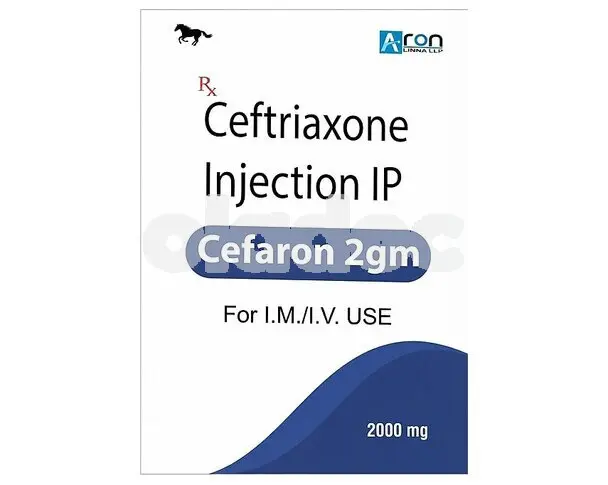
About Cefxone IV Injection 2g
Ceftriaxone Sodium, a third-generation cephalosporin antibiotic for severe bacterial infections such as typhoid.
Cefxone IV Injection 2g Uses
- Typhoid and enteric fever caused by susceptible Salmonella strains
- Bacterial meningitis in children and adults
- Septicemia and other bloodstream infections
- Severe lower respiratory tract infections, including pneumonia
- Complicated urinary tract and kidney infections
- Bone, joint, skin, and soft tissue infections
- Intra-abdominal infections and prevention of surgical site infections
Cefxone IV Injection 2g Benefits
- Broad coverage of gram-negative and many gram-positive bacteria
- Once-daily dosing simplifies hospital and clinic treatment
- High 2g strength suits deep-seated or life-threatening infections
- Excellent penetration into cerebrospinal fluid, lungs, bone, and urine
- Reliable option for multidrug-resistant typhoid when cultures show sensitivity
- Allows step-down to oral antibiotics once the patient stabilizes
What Experts Say
Ceftriaxone is a third-generation cephalosporin that kills bacteria by blocking the enzymes they need to build protective cell walls. The 2g intravenous dose produces high drug levels in blood, lungs, urine, bone, and cerebrospinal fluid, which is why physicians reserve it for serious conditions such as meningitis, septicemia, and complicated pneumonia.
Enteric fever remains a leading cause of antibiotic injections and hospital admissions across Pakistan, and ceftriaxone is a standard first choice for severe or multidrug-resistant typhoid. Infectious disease specialists advise blood culture and sensitivity testing, because extensively drug-resistant strains respond poorly to ceftriaxone and need different treatment.
A half-life of about eight hours permits once-daily dosing, which keeps inpatient regimens simple and supports supervised outpatient injection programs. Experts caution that broad-spectrum antibiotics like ceftriaxone should be used only for confirmed or strongly suspected bacterial infections, since unnecessary use speeds up antimicrobial resistance.
Drug Class
- Third-Generation Cephalosporin Antibiotic
Cefxone IV Injection 2g Uses in Urdu
- ٹائیفائیڈ اور معیادی بخار کا علاج
- گردن توڑ بخار یعنی دماغ کی جھلیوں کے انفیکشن کا علاج
- خون میں پھیلے شدید انفیکشن یعنی سیپٹی سیمیا کا خاتمہ
- نمونیا اور سانس کی نالی کے شدید انفیکشن میں مؤثر
- پیشاب اور گردوں کے پیچیدہ انفیکشن کا علاج
- ہڈیوں، جوڑوں اور جلد کے انفیکشن میں فائدہ مند
- آپریشن کے بعد انفیکشن سے بچاؤ کے لیے استعمال
Cefxone IV Injection 2g formula
How to use Cefxone IV Injection 2g?
- Cefxone IV Injection 2g is prepared and administered only by a doctor or trained nurse in a clinical setting.
- The vial powder is first dissolved in sterile water for injection to make a clear solution.
- For a drip, the 2g dose is diluted further in a calcium-free fluid such as normal saline and infused over at least 30 minutes.
- Slow intravenous injection, where used, is given over no less than 5 minutes into a vein or drip line.
- Never administer through the same line as calcium-containing fluids like Ringer's lactate unless the line is thoroughly flushed.
- The usual adult dose is 1g to 2g once every 24 hours; severe infections may need higher divided doses as decided by the physician.
- Receive the full prescribed course even if fever and symptoms settle early.
Drug Interactions
- Calcium-containing IV fluids: Solutions such as Ringer's lactate and parenteral nutrition form dangerous particles with ceftriaxone; never mix or co-infuse them.
- Aminoglycoside antibiotics: Gentamicin or amikacin must never be drawn into the same syringe or infusion; doses are given separately with kidney monitoring.
- Warfarin: Ceftriaxone can strengthen its blood-thinning effect, so INR checks may be needed during treatment.
- Probenecid: This gout medicine can interfere with how the body handles ceftriaxone; combine only under medical advice.
- Chloramphenicol: Combined use may weaken the bacteria-killing action of both antibiotics.
- Vancomycin, fluconazole, and amsacrine: These drugs are physically incompatible with ceftriaxone in the same infusion line.
- Oral typhoid vaccine: Live bacterial vaccines may fail during antibiotic therapy; vaccination is delayed until the course ends.
Risks and warnings
- Allergy Alert: Do not use with a known allergy to ceftriaxone or other cephalosporins, and use caution after any serious penicillin reaction because cross-allergy can occur.
- Calcium Solutions: Ceftriaxone must never be mixed with calcium-containing intravenous fluids, as fatal ceftriaxone-calcium precipitates have occurred in newborns.
- Newborn Restrictions: The drug is contraindicated in premature babies and in newborns with jaundice or those needing intravenous calcium.
- Gallbladder Sludge: High doses can cause reversible sludge or stone-like deposits in the gallbladder, sometimes with upper abdominal pain.
- Antibiotic Diarrhea: Severe or persistent diarrhea during or after treatment may signal Clostridioides difficile infection and needs urgent review.
- Blood Disorders: Rare immune hemolytic anemia has been reported; report unusual tiredness, pale skin, or dark urine promptly.
- Kidney and Liver Disease: Patients with severe combined kidney and liver impairment need dose adjustment and close monitoring.
Cefxone IV Injection 2g Side Effects
- Pain, redness, or hardness at the injection site
- Vein irritation or phlebitis along the drip line
- Diarrhea or loose stools
- Nausea and vomiting
- Skin rash or itching
- Headache or dizziness
- Oral thrush or vaginal yeast infection after prolonged use
- Temporary changes in blood cell counts
- Mild rise in liver enzymes on blood tests
- Gallbladder sludge that usually clears after stopping treatment
- Fever, chills, or allergic reactions in sensitive patients
Storage Conditions
- Store the unopened powder vial below 25°C in a cool, dry place.
- Protect the vial from direct sunlight, heat, and moisture.
- Use the freshly prepared solution promptly and discard any unused portion.
- Keep the injection out of the sight and reach of children.
- Do not use after the expiry date printed on the pack.