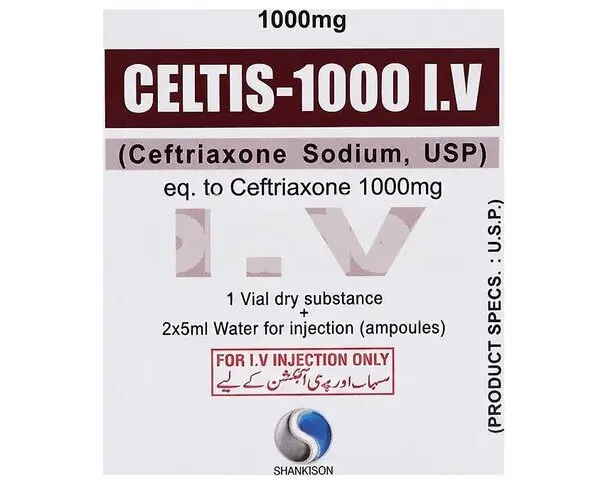
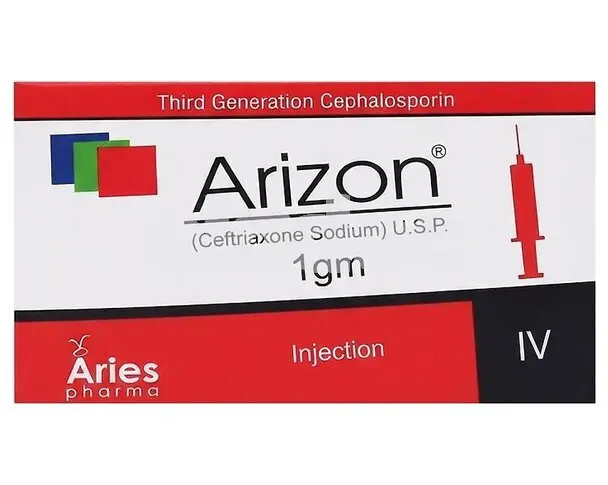
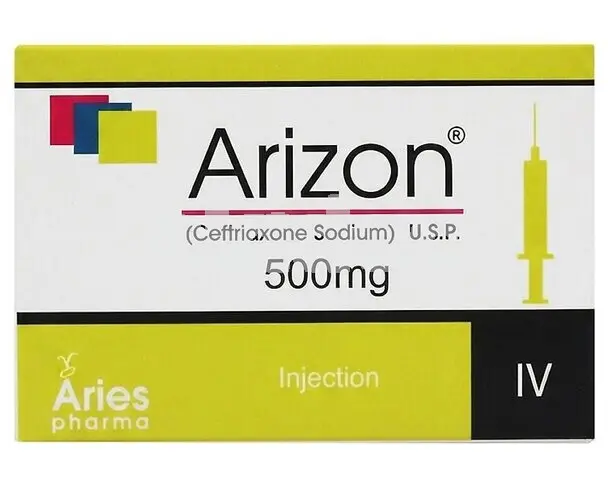
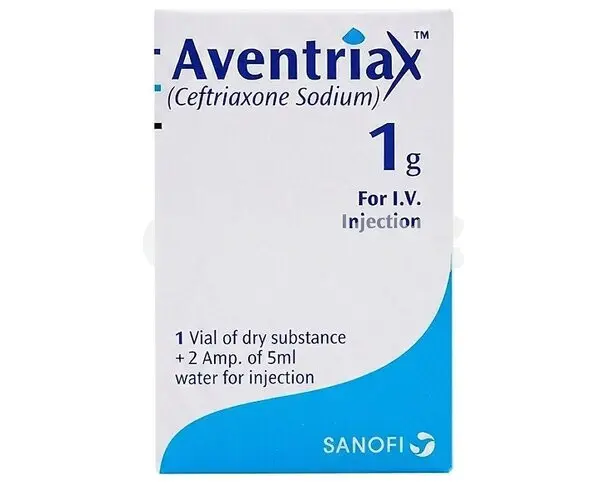
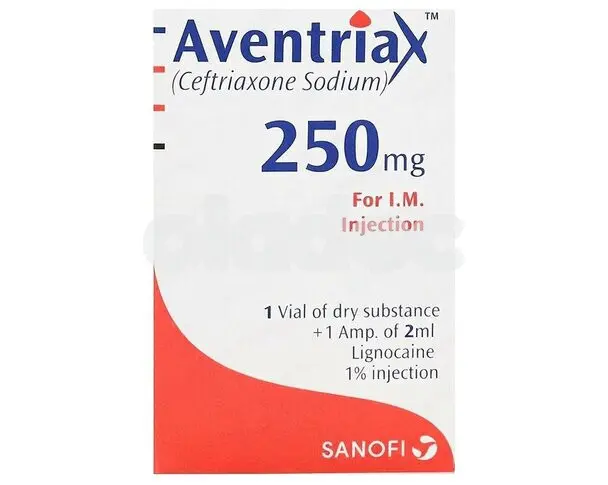
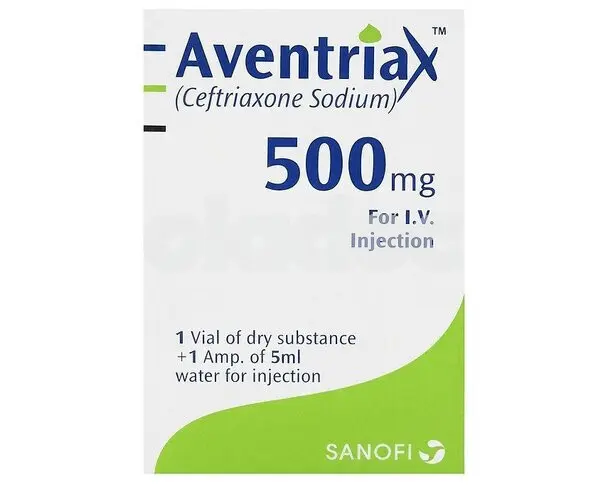
About Celtis injection 1gm
An injectable antibiotic used to treat serious bacterial infections.
Celtis Injection Uses
- Treats serious bacterial infections of the lungs, skin and urinary tract
- Used for bacterial meningitis and bloodstream infections
- Prevents infection during certain surgeries
- Treats typhoid fever and complicated abdominal infections
Celtis Injection Benefits
- Works against a broad range of bacteria with a single daily dose
- Reaches therapeutic levels quickly since it is given directly into the blood or muscle
- Useful when oral antibiotics have failed or the patient cannot take tablets
- Effective for both hospital and outpatient treatment
Hospitals in Lahore, Karachi, Islamabad and Rawalpindi keep Celtis injection stocked for emergency and inpatient use because it treats a wide range of serious infections.
A trained nurse or doctor gives this injection into a muscle or vein, since the dose depends on the type and severity of infection along with the patient's kidney function.
Most courses run for several days to two weeks. Finishing the full course matters even if symptoms improve early, so the infection does not return or become resistant.
Drug Class
- Third generation cephalosporin
- Beta lactam antibiotic
Celtis Injection Uses in Urdu
- پھیپھڑوں، جلد اور پیشاب کی نالی کے شدید انفیکشن کے علاج کے لیے
- دماغی جھلی کے انفیکشن اور خون میں بیکٹیریا کے علاج کے لیے
- سرجری کے دوران انفیکشن سے بچاؤ کے لیے
- ٹائیفائیڈ بخار کے علاج کے لیے
Celtis injection 1gm formula
How to use Celtis injection 1gm?
- This injection is given only by a doctor or trained healthcare worker
- It can be administered into a vein or deep into a muscle
- Complete the full prescribed course even if you feel better sooner
- Tell your doctor about any known drug allergies before the first dose
- Drink plenty of water during treatment unless your doctor advises otherwise
Drug Interactions
- Calcium Containing IV Solutions: Mixing with calcium solutions, especially in newborns, can form dangerous precipitates in the lungs and kidneys.
- Warfarin and Other Blood Thinners: Ceftriaxone can increase bleeding risk when combined with anticoagulants.
- Aminoglycoside Antibiotics: Should not be mixed in the same IV line, though they are sometimes used together separately for severe infections.
- Oral Contraceptives: May slightly reduce the effectiveness of hormonal birth control during treatment.
Risks and warnings
- Allergic Reactions: Ceftriaxone can cause severe allergic reactions in people allergic to penicillin or other cephalosporins.
- Gallbladder Sludge: Rare cases of gallbladder or kidney precipitates have been reported, mostly with high doses.
- Newborn Caution: This injection should not be given with calcium containing solutions to newborns due to a risk of serious complications.
- Diarrhea: Severe or persistent diarrhea during or after treatment needs urgent medical attention, since it can signal a serious gut infection.
- Kidney or Liver Disease: Patients with kidney or liver problems may need dose adjustment and closer monitoring.
Side Effects
- Pain or swelling at the injection site
- Diarrhea or loose stools
- Nausea or vomiting
- Skin rash
- Elevated liver enzymes on blood tests
- Headache
- Rare severe allergic reaction with swelling or breathing difficulty
Storage Conditions
Store Celtis injection vials below 25 degrees Celsius in a cool, dry place protected from light. After reconstitution, use the solution within the time your pharmacist specifies and discard any unused portion. Keep all vials out of reach of children.