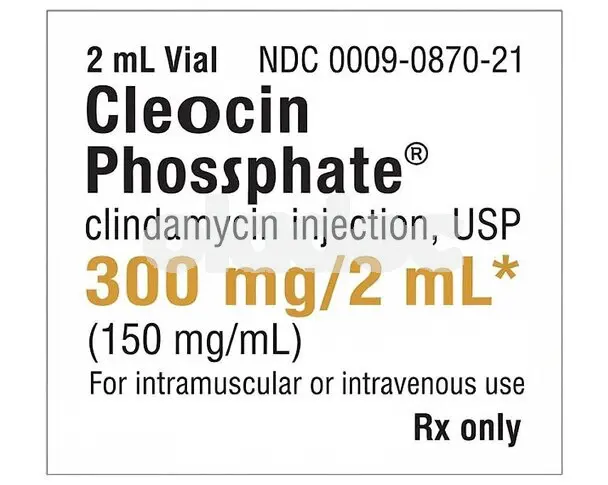
About Cleocin Injection 600mg
A clindamycin injection used in hospitals for severe bacterial infections when oral antibiotics are not suitable.
Cleocin Injection 600mg Uses
- Serious skin and soft tissue bacterial infections
- Pelvic and female genital tract infections
- Intra abdominal infections alongside other antibiotics
- Bone and joint infections from susceptible bacteria
- Severe respiratory tract infections needing hospital care
Cleocin Injection 600mg Benefits
- Activity against bacteria resistant to some other antibiotic classes
- High concentration reach in bone, joint and soft tissue
- A suitable choice for patients allergic to penicillin
- Faster action through the intravenous route in severe infections
- Common pairing with other antibiotics for mixed infections
Hospitals and clinics in Lahore, Karachi, Islamabad and Rawalpindi keep Cleocin Injection 600mg on hand for patients with severe bacterial infections. Doctors choose it when oral antibiotics are not strong enough or not possible to take.
Clindamycin phosphate, the active ingredient, fights bacteria that cause deep tissue and abdominal infections. A trained nurse or doctor gives this injection under close medical supervision.
Treatment length depends on the type and severity of infection. Your doctor may switch you to an oral antibiotic once your condition improves.
Drug Class
- Lincosamide antibiotic
- Protein synthesis inhibitor
- Anti-anaerobic agent
- Prescription injectable antibiotic
Cleocin Injection 600mg Uses in Urdu
کلیوسین انجکشن 600mg شدید بیکٹیریل انفیکشن کے علاج کے لیے استعمال ہوتا ہے۔ یہ انجکشن ہسپتال یا کلینک میں ڈاکٹر یا نرس کی نگرانی میں لگایا جاتا ہے۔
- جلد اور نرم بافتوں کے شدید انفیکشن کا علاج
- پیڑو اور خواتین کے تولیدی اعضا کے انفیکشن
- ہڈیوں اور جوڑوں کے انفیکشن میں استعمال
- پینسلین سے الرجی والے مریضوں کے لیے متبادل
Cleocin Injection 600mg formula
How to use Cleocin Injection 600mg?
- This injection is given only by a doctor or trained nurse in a hospital or clinic
- The dose depends on your weight, infection type and overall health
- An intramuscular injection or a slow intravenous infusion are the two accepted methods
- A fast intravenous push is never used, since the medicine must be diluted and infused slowly
- The full course should be completed even if you start feeling better after a few doses
- Self-administration of this injection at home is not recommended under any circumstance
Drug Interactions
Cleocin Injection 600mg can interact with several medicines, so your doctor reviews your full medication list before starting treatment.
- Neuromuscular Blocking Agents: Clindamycin can enhance the effect of muscle relaxants used during surgery
- Erythromycin: Erythromycin taken together with clindamycin can reduce the effectiveness of both, so this pairing is avoided
- Warfarin: Concurrent use may increase bleeding risk and needs closer monitoring
- Antidiarrheal Medicines: Opioid based antidiarrheals are best avoided if diarrhea develops, since they can worsen colitis
Risks and warnings
- Severe Diarrhea Risk: Clindamycin can cause severe diarrhea from Clostridioides difficile overgrowth, sometimes weeks after treatment ends
- Liver And Kidney Function: Dose adjustment may be needed in patients with liver or kidney disease
- Pregnancy And Breastfeeding: This injection is used only if your doctor decides the benefit outweighs the risk
- Allergic Reactions: The infusion should be stopped immediately if rash, swelling or breathing difficulty occurs
- Infusion Rate: Rapid intravenous administration can cause a dangerous drop in blood pressure
Side Effects
Cleocin Injection 600mg can cause side effects, most of which are manageable under medical care. Any unusual symptoms should be reported to your treating doctor.
- Pain or irritation at the injection site
- Nausea or an upset stomach
- Mild diarrhea
- Metallic taste in the mouth
- Skin rash
Some reactions are serious and require immediate medical attention.
- Severe watery or bloody diarrhea suggesting colitis
- Signs of a severe allergic reaction such as facial swelling or difficulty breathing
- Yellowing of the skin or eyes suggesting liver problems
- A sudden drop in blood pressure during infusion
Storage Conditions
Store below 25°C away from direct light and moisture. Keep unopened ampoules in their original packaging and discard any unused diluted solution after use.