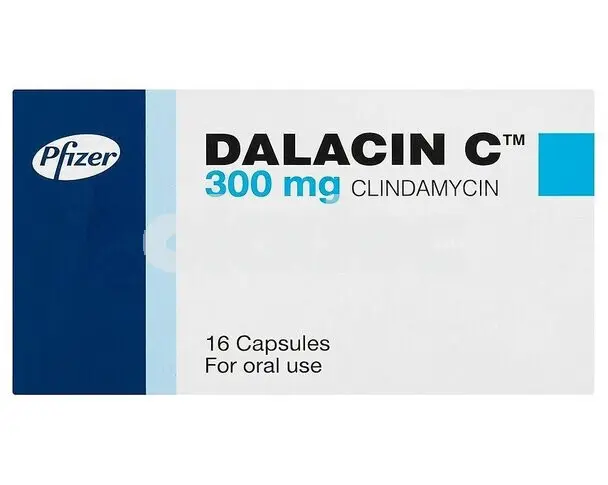
About Clindamycin Capsule 150mg
Clindamycin is a lincosamide antibiotic used to treat mild to moderate bacterial infections.
Clindamycin Capsule 150mg Uses
- Treatment of mild to moderate skin and soft tissue infections
- Management of respiratory tract infections caused by susceptible bacteria
- Treatment of dental and oral infections
- Management of mild to moderate bone and joint infections
- Treatment of pelvic and genital infections when combined with other antibiotics
- Suitable for patients with lower body weight who need a lower milligram dose
Clindamycin Capsule 150mg Benefits
- Effective against many gram positive bacteria and anaerobic organisms
- Reaches good levels in soft tissue and bone
- Useful option for patients with a penicillin allergy
- Lower strength allows gradual dose titration for milder infections
What Experts Say
Doctors across Pakistan often begin treatment with a lower strength like 150mg when the infection is mild or the patient has a lower body weight, since clindamycin dosing is adjusted according to the severity of infection and the bacteria involved.
Regular monitoring for stomach upset and diarrhea is advised throughout treatment, and doctors across Pakistan stress finishing the complete course so the infection does not return in a harder to treat form.
Drug Class
Clindamycin Capsule 150mg Uses in Urdu
- جلد اور نرم بافتوں کے ہلکے سے درمیانے انفیکشن کے علاج کے لیے
- سانس کی نالی کے انفیکشن کے علاج میں
- دانتوں اور منہ کے انفیکشن کے علاج میں
- ہڈیوں اور جوڑوں کے ہلکے سے درمیانے انفیکشن میں
- خواتین کے شرونیی انفیکشن میں دیگر ادویات کے ساتھ استعمال
Clindamycin Capsule 150mg formula
Available forms
- Capsule
- Injection
- Oral Solution
- Topical Gel
- Vaginal Cream
How to use Clindamycin Capsule 150mg?
- Take this capsule exactly as prescribed by your doctor
- Swallow the capsule whole with a full glass of water
- Take with or without food, though food may reduce stomach upset
- Complete the full course even if symptoms improve early
- Take doses at evenly spaced intervals to maintain steady levels in the body
- Do not take with antidiarrheal medicines without asking your doctor first
Drug Interactions
- Neuromuscular blocking agents: Clindamycin may enhance the effect of these medicines used during surgery, increasing risk of prolonged muscle weakness
- Erythromycin: Avoid combining with erythromycin, since the two antibiotics can block each other's action
- Antidiarrheal medicines: Kaolin containing antidiarrheals can reduce absorption, so doses should be spaced apart
- Other antibiotics: Combining with other antibiotics that affect gut bacteria may increase risk of diarrhea
Risks and warnings
- C difficile colitis: Clindamycin can cause severe diarrhea due to Clostridioides difficile infection, which may appear during treatment or weeks after stopping
- Complete the course: Stopping the medicine early can allow bacteria to survive and become resistant
- History of colitis: Avoid this medicine if you have a history of pseudomembranous colitis or antibiotic associated colitis
- Liver impairment: Use with caution in patients with liver disease, since dose adjustment may be needed
- Allergy history: Avoid if you have a known allergy to clindamycin or lincomycin
- Pregnancy and breastfeeding: Use only if clearly needed and advised by your doctor
Clindamycin Capsule 150mg Side Effects
- Diarrhea
- Nausea
- Vomiting
- Abdominal pain
- Metallic taste
- Skin rash
- Severe watery or bloody diarrhea due to Clostridioides difficile infection
- Signs of liver problems such as yellowing of skin or eyes
- Severe allergic reactions including swelling of face, lips or throat
- Severe skin reactions such as blistering or peeling skin
Storage Conditions
- Store at room temperature between 15 and 30 degrees Celsius
- Keep away from direct light and moisture
- Keep the capsule in its original blister pack until use
- Keep out of reach of children
- Do not store in the bathroom or near the kitchen sink