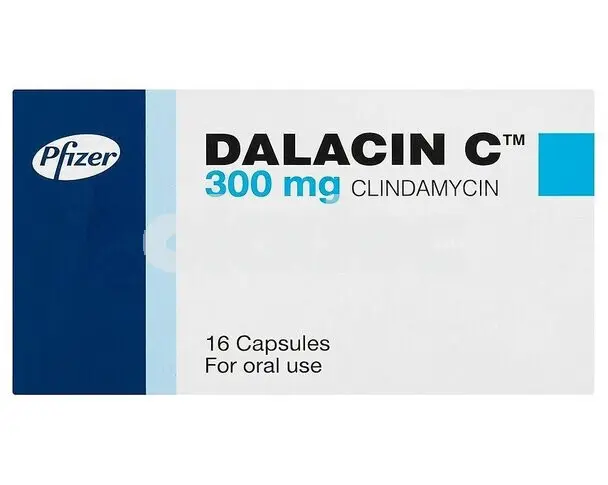
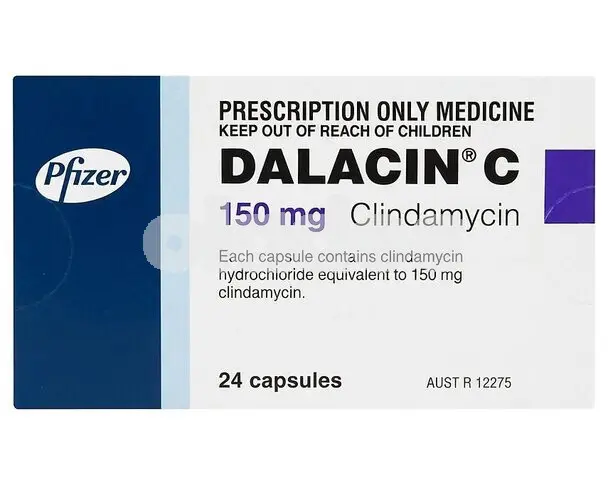
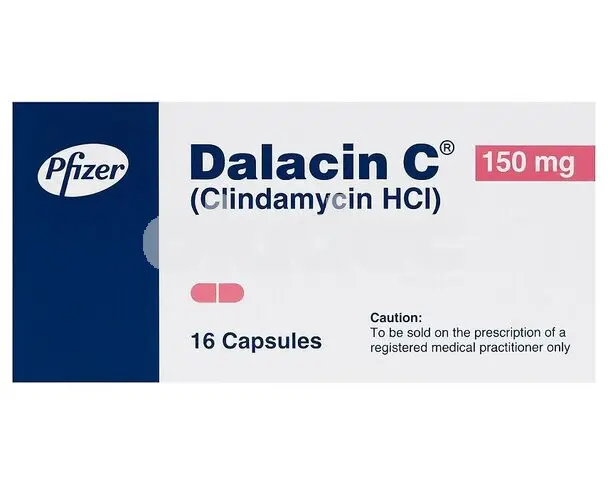
About Clindamycin capsule 300mg
Clindamycin, a lincosamide antibiotic, used to treat severe bacterial infections.
Clindamycin Capsule 300mg Uses
- Severe skin and soft tissue infections
- Bone and joint infections including osteomyelitis
- Serious anaerobic infections such as intra abdominal and pelvic infections
- Aspiration pneumonia and lung abscess
- Severe dental and oral infections
- Prevention of endocarditis in patients allergic to penicillin before certain dental procedures
- Pelvic inflammatory disease as part of combination therapy
- Toxoplasmosis as an alternative combination treatment
Clindamycin Capsule 300mg Benefits
- Effective against anaerobic and gram positive bacteria that resist other antibiotics
- Reaches high concentrations in bone tissue, useful for deep seated infections
- Suitable alternative for patients who cannot take penicillin
- Higher strength allows effective treatment with fewer daily doses
- Well absorbed orally, often avoiding the need for injections in eligible patients
What Experts Say
Doctors across Pakistan often choose the 300mg strength of clindamycin for patients with more severe infections or higher body weight, where lower doses may not reach adequate blood levels. Dosing decisions weigh infection severity, site of infection and patient weight, since deep tissue and bone infections usually need sustained higher drug concentrations to clear the bacteria.
Because clindamycin can disrupt normal gut flora, monitoring for diarrhea is emphasized, especially with higher doses used over several days. Doctors also stress finishing the full prescribed course even after symptoms improve, since stopping early is linked to poorer outcomes and rising antibiotic resistance.
Drug Class
- Lincosamide antibiotic
- Protein synthesis inhibitor that binds the 50S ribosomal subunit
- Can act as bacteriostatic or bactericidal depending on concentration and organism
Clindamycin Capsule 300mg Uses in Urdu
- شدید جلدی انفیکشنز کا علاج
- ہڈیوں اور جوڑوں کے سنگین انفیکشنز
- پھیپھڑوں کے پھوڑے اور نمونیا کے علاج میں استعمال
- پیٹ کے اندرونی سنگین انفیکشنز
- دانتوں اور منہ کے شدید انفیکشنز
- خواتین کے تولیدی نظام کے انفیکشنز میں استعمال
- پینسلین سے الرجی والے مریضوں میں متبادل اینٹی بائیوٹک
Clindamycin capsule 300mg formula
Available forms
- Capsule 150mg
- Capsule 300mg
- Oral Suspension
- Injection
- Topical Gel
- Vaginal Cream<
How to use Clindamycin capsule 300mg?
- Take exactly as prescribed by your doctor, usually every 6 to 8 hours
- Swallow the capsule whole with a full glass of water
- Take with food if stomach upset occurs
- Do not lie down immediately after taking the capsule
- Complete the full course even if symptoms improve before finishing
- Space doses evenly throughout the day
- Do not skip or double doses to make up for a missed one
Drug Interactions
- Erythromycin: Taking clindamycin with erythromycin can reduce the effectiveness of both medicines because they compete for the same binding site.
- Neuromuscular blocking agents: Clindamycin can strengthen the effect of muscle relaxants used during surgery, increasing the risk of prolonged muscle weakness.
- Warfarin and other blood thinners: Combined use may raise bleeding risk and requires closer monitoring of clotting tests.
- Kaolin containing antidiarrheal products: These can reduce absorption of oral clindamycin, so doses should be spaced apart.
- Other antibiotics: Combining clindamycin with other antibiotics that affect gut bacteria may raise the risk of C difficile associated diarrhea.
- CYP3A4 inducers such as rifampin: These can lower clindamycin blood levels and reduce its effectiveness.
Risks and warnings
- Clostridioides difficile colitis: Clindamycin carries a well known risk of severe diarrhea and colitis caused by C difficile overgrowth, which can occur during treatment or even weeks after stopping the medicine.
- Complete the full course: Stopping the capsule early even after feeling better can allow the infection to return and increases the risk of antibiotic resistant bacteria.
- History of colitis: Avoid this medicine if you have a history of pseudomembranous colitis or antibiotic associated colitis.
- Liver impairment: Use with caution in people with liver disease, since clindamycin is processed by the liver and dose adjustment may be needed.
- Allergic reactions: Stop the capsule and seek medical help if you notice rash, swelling or breathing difficulty.
- Pregnancy and breastfeeding: Use only if your doctor considers it necessary, since clindamycin passes into breast milk.
- Prolonged use: Extended courses at this higher strength may need periodic blood and liver function monitoring.
Clindamycin Capsule 300mg Side Effects
- Diarrhea
- Nausea
- Vomiting
- Abdominal pain or cramping
- Metallic taste in mouth
- Skin rash
- Itching
- Heartburn
- Severe watery or bloody diarrhea, a sign of C difficile colitis
- Severe stomach pain or cramping
- Yellowing of skin or eyes, a sign of liver problems
- Unusual bleeding or bruising
- Severe allergic reaction with swelling or difficulty breathing
- Severe skin reaction with blistering or peeling
Storage Conditions
- Store at room temperature between 15 and 30 degrees Celsius
- Keep away from direct sunlight and moisture
- Keep the capsule in its original blister pack until use
- Keep out of reach of children
- Do not store in the bathroom or near the kitchen sink
- Discard any unused or expired capsules safely