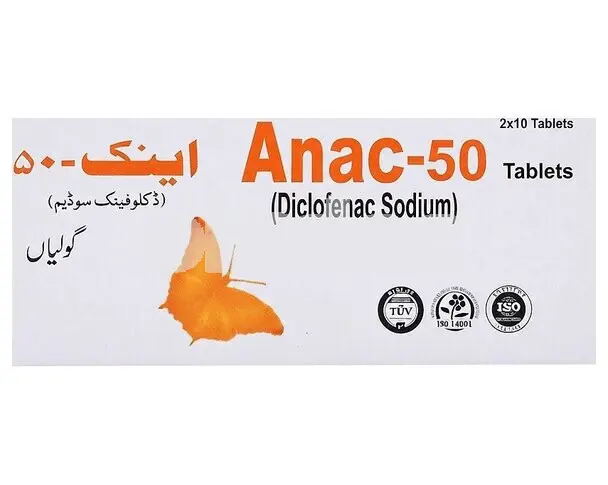
About Cloran Tablet 50mg
A pain and inflammation reliever for joint, muscle, and minor injury discomfort.
Cloran Tablet Uses
- Osteoarthritis and rheumatoid arthritis pain
- Ankylosing spondylitis
- Acute gout attacks
- Muscle and joint strain after minor injury
- Postoperative pain and swelling
Cloran Tablet Benefits
- Noticeable reduction in pain and swelling within a few doses for most acute conditions
- Effective for both short term injury pain and long term arthritis management
- Wide availability and cost effectiveness compared with many other NSAIDs
- Good pairing with physiotherapy for faster recovery from muscle strain
What Experts Say
Orthopedic specialists frequently recommend diclofenac for short courses of pain relief after sprains, muscle strain, or minor surgery, since it reduces both pain and local swelling effectively. Its anti-inflammatory effect usually becomes noticeable within a few hours of the first dose and builds further with continued use.
Long term use requires more caution, since diclofenac carries a class-wide risk of stomach ulcers, kidney strain, and cardiovascular events with prolonged or high dose use over time. Many guidelines now recommend the shortest effective course paired with the lowest dose that still controls symptoms adequately.
A stomach protecting medicine is often paired with diclofenac for patients who need it for more than a few weeks, especially those with a history of ulcers or reflux. Blood pressure and kidney function are typically checked periodically in anyone using it beyond occasional pain relief for injuries.
Drug Class
- Nonsteroidal anti-inflammatory drug (NSAID)
- Phenylacetic acid derivative
کلوران ٹیبلٹ کے استعمالات
کلوران ٹیبلٹ درد اور سوجن کم کرنے کے لیے استعمال ہوتی ہے، خاص طور پر جوڑوں اور مسلز کے مسائل میں۔
- گٹھیا کے درد میں کمی
- موچ اور معمولی چوٹ کے درد میں افاقہ
- گاؤٹ کے شدید حملوں میں سکون
- آپریشن کے بعد درد اور سوجن میں کمی
Cloran Tablet 50mg formula
How to use Cloran Tablet 50mg?
- Cloran tablet is usually taken two to three times a day, after meals, to reduce stomach irritation.
- The tablet should be swallowed whole with a full glass of water.
- A short treatment course, rather than continuous long term use, is generally preferred for pain from minor injuries.
- Consistent timing between doses helps maintain steady pain relief throughout the day.
- Alcohol is best avoided during treatment, since it can add to the risk of stomach irritation.
- A missed dose can be taken as soon as remembered, unless the next dose is nearly due.
Drug Interactions
- Warfarin and Blood Thinners: Combined use raises the risk of serious bleeding.
- Aspirin and Other NSAIDs: Taking these together increases the risk of stomach bleeding without extra pain relief.
- ACE Inhibitors and ARBs: Diclofenac can reduce the blood pressure lowering effect of these medicines and stress the kidneys.
- Diuretics: This combination may reduce the diuretic effect and raise the risk of kidney problems.
- Methotrexate: Diclofenac can raise methotrexate levels in the blood, increasing the risk of toxicity.
- Lithium: Blood lithium levels may rise, requiring closer monitoring.
Risks and warnings
- Gastrointestinal Risk: Stomach pain, ulcers, and bleeding can occur, particularly with long term use or in older adults.
- Cardiovascular Risk: Diclofenac carries a higher cardiovascular risk than some other NSAIDs and should be used cautiously in people with heart disease.
- Kidney Function: This medicine can reduce blood flow to the kidneys, so caution is needed in people with existing kidney disease or dehydration.
- Pregnancy: Use during the third trimester is not recommended due to risks to the unborn baby.
- Asthma and Allergy: People with aspirin sensitive asthma or a history of NSAID allergy should avoid this medicine.
- Liver Function: Periodic liver function tests may be needed with prolonged use.
Cloran Tablet Side Effects
Cloran tablet is generally well tolerated when taken as directed, though some mild effects can occur.
- Stomach upset or heartburn
- Headache
- Dizziness
- Nausea
- Skin rash
Some reactions are more serious and require prompt medical attention.
- Black or bloody stools, or vomiting blood
- Chest pain, shortness of breath, or sudden weakness on one side of the body
- Severe abdominal pain
- Yellowing of the skin or eyes
- Swelling of the face, legs, or ankles
Storage Conditions
- Store below 30°C in a cool, dry place away from direct sunlight.
- Keep the tablets in their original blister pack until use.
- Keep out of reach of children.
- Discard any unused tablets after the expiry date.