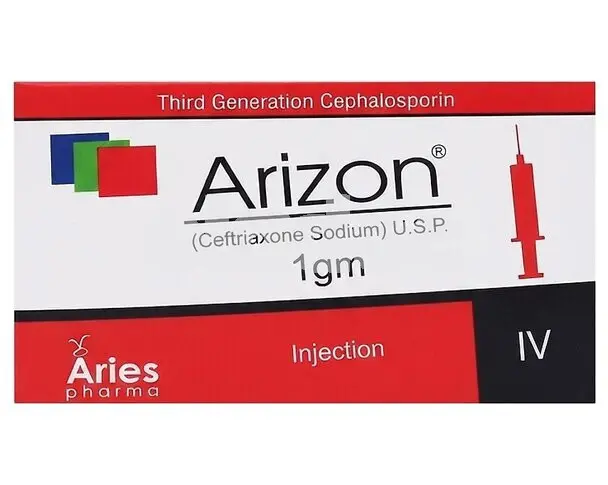
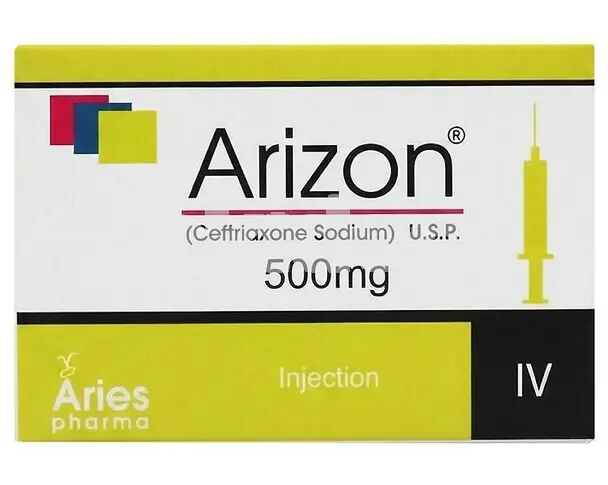
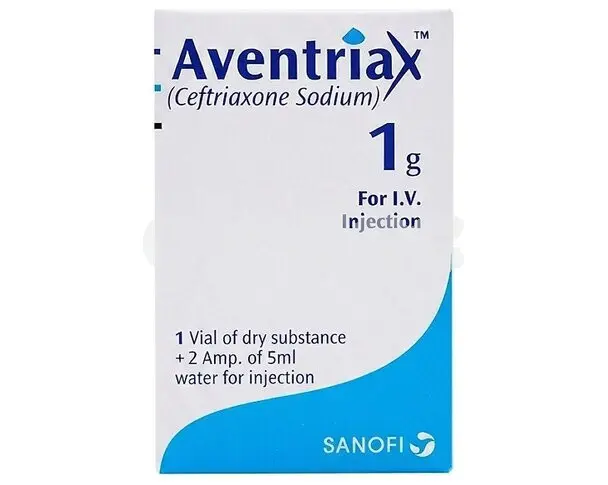
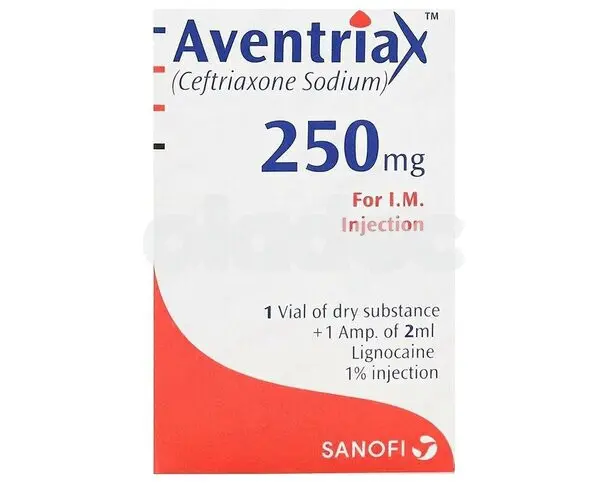
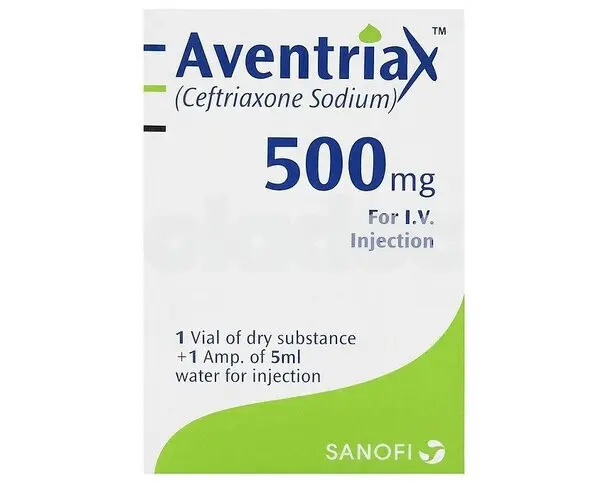
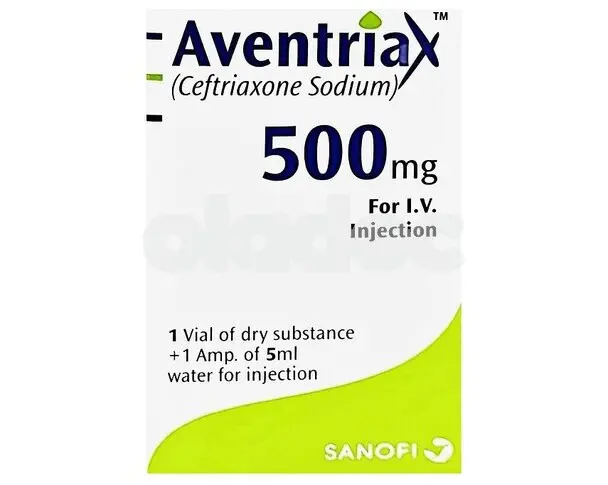
About CTZ Injection 1gm
CTZ 1gm is a cephalosporin antibiotic injection used to treat serious bacterial infections.
CTZ Injection Uses
- Treats severe respiratory tract infections including pneumonia
- Treats urinary tract and genitourinary infections
- Treats skin and soft tissue infections
- Treats bone and joint infections
- Treats intra abdominal infections and peritonitis
- Treats bacterial meningitis
- Treats sepsis and bloodstream infections
- Used for surgical infection prevention before certain operations
- Treats typhoid fever and other systemic bacterial infections common in Pakistan
CTZ Injection Benefits
- Provides broad spectrum coverage against gram positive and gram negative bacteria
- Once daily dosing improves treatment compliance in hospital settings
- Reaches high concentrations in tissue and fluid, including cerebrospinal fluid
- Remains effective against many bacteria resistant to older antibiotics
- Long half life allows sustained antibacterial action between doses
What Experts Say
Ceftriaxone Sodium belongs to the third generation cephalosporin class. It works by binding to penicillin binding proteins and blocking bacterial cell wall synthesis, which kills susceptible bacteria before they can multiply further. The 1gm strength is generally reserved for more severe infections that need a higher single dose.
Ceftriaxone has a long half life, which allows convenient once daily dosing by intravenous or intramuscular injection in most cases. Doctors across Pakistan commonly use it in hospital settings for pneumonia, typhoid fever, meningitis and complicated abdominal infections where oral antibiotics are not considered suitable or reliable.
Physicians monitor kidney and liver function during treatment and avoid mixing this injection with calcium containing fluids, especially in newborns, due to the risk of harmful precipitates forming. Culture and sensitivity testing helps confirm the right antibiotic choice and supports responsible use amid rising antibiotic resistance concerns.
Drug Class
- Third Generation Cephalosporin Antibiotic
CTZ Injection 1gm Uses in Urdu
- شدید بیکٹیریل انفیکشنز کے علاج میں استعمال ہوتا ہے
- نمونیا اور سانس کی نالی کے انفیکشن کے علاج میں مددگار
- پیشاب کی نالی کے انفیکشن کے علاج میں استعمال کیا جاتا ہے
- ہڈیوں اور جوڑوں کے انفیکشن کے علاج میں مفید
- گردن توڑ بخار (میننجائٹس) کے علاج میں استعمال ہوتا ہے
- خون میں انفیکشن اور سیپسس کے علاج میں مددگار
- ٹائیفائیڈ بخار کے علاج میں بھی استعمال ہوتا ہے
CTZ Injection 1gm formula
How to use CTZ Injection 1gm?
- Administered by a doctor or nurse through intravenous or intramuscular injection
- Dose and frequency are determined by your doctor based on the infection being treated
- Usually given once daily, though severe infections may need dosing every 12 hours
- Complete the full course prescribed even if symptoms improve before finishing
- Tell your doctor about any known allergy to penicillin or cephalosporin antibiotics before the injection
Drug Interactions
- Calcium Containing Solutions: Concurrent intravenous use, especially in newborns, can cause fatal precipitates in the lungs and kidneys.
- Warfarin: May enhance the anticoagulant effect and increase bleeding risk.
- Aminoglycosides: Combined use may raise the risk of kidney toxicity and requires monitoring.
- Oral Contraceptives: May reduce the effectiveness of hormonal birth control during treatment.
- Live Typhoid Vaccine: Antibiotic treatment can reduce the effectiveness of live oral typhoid vaccines.
Risks and warnings
- Allergic Reactions: Serious hypersensitivity reactions can occur in people allergic to penicillin or other cephalosporins.
- Calcium Products: Must not be given together with calcium containing intravenous solutions in newborns due to the risk of fatal precipitates in the lungs and kidneys.
- Gallbladder Effects: May cause biliary sludge or gallstone like symptoms that usually resolve after treatment ends.
- Kidney Or Liver Function: Use with caution in patients with reduced kidney or liver function, dose adjustment may be needed.
- Pregnancy And Breastfeeding: Should be used only if clearly needed and under medical supervision.
- Antibiotic Associated Diarrhea: Severe or persistent diarrhea during or after treatment needs prompt medical attention.
CTZ Injection Side Effects
- Pain and swelling at the injection site
- Nausea
- Vomiting
- Diarrhea
- Skin rash or itching
- Headache
- Dizziness
- Elevated liver enzymes
- Increased eosinophil or platelet counts on blood tests
- Low white blood cell count
- Biliary sludge on ultrasound with prolonged use
- Fever
- Rare severe allergic reaction or anaphylaxis
- Rare severe skin reactions such as Stevens Johnson syndrome
- Rare seizures at very high doses, especially with reduced kidney function
Storage Conditions
- Store unopened vials below 25°C, away from light and moisture
- Reconstitute only immediately before administration using the correct diluent
- Use the reconstituted solution within 24 hours if kept refrigerated between 2°C and 8°C
- Discard any unused reconstituted solution after use
- Keep the vial out of reach of children
- Do not freeze the reconstituted solution