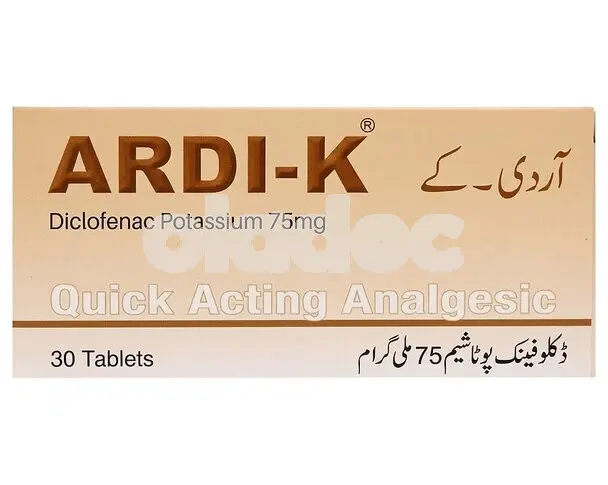
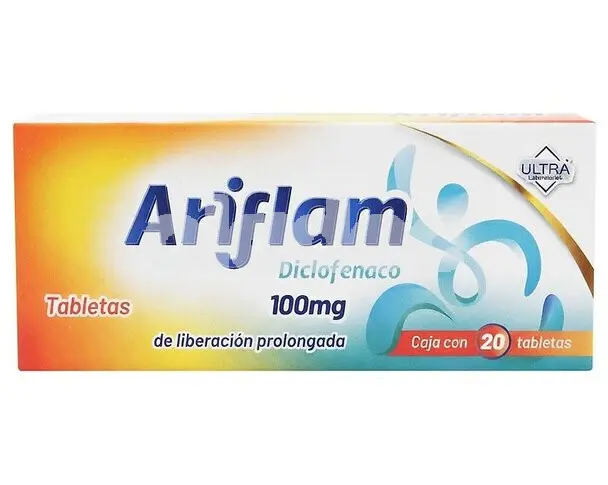
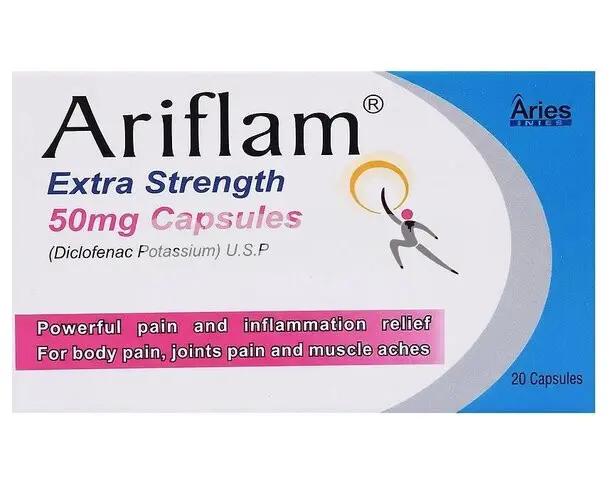
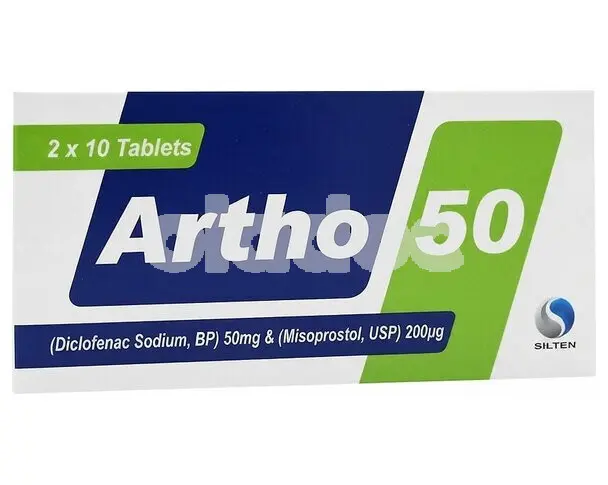
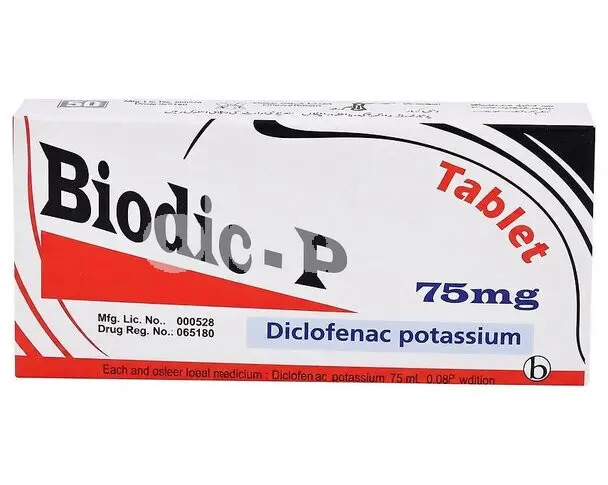
About Diclokam-K Tablet 75mg
Higher-strength tablet for moderate to severe pain and swelling.
Diclokam-K Tablet Uses
- Moderate to severe osteoarthritis and rheumatoid arthritis pain
- Ankylosing spondylitis and chronic joint disorders
- Acute muscle and soft tissue injuries
- Post-operative pain and swelling
- Severe menstrual cramps, when advised by a doctor
- Acute gout flare-ups
Diclokam-K Tablet Benefits
- Higher 75mg strength suited to moderate to severe pain that needs stronger relief
- Fast-dissolving potassium salt form for quicker action than sodium formulations
- Combined anti-inflammatory and pain-relieving effect in one tablet
- Useful for short courses following surgery or acute injury
What Experts Say
Diclofenac potassium works by reducing the body's production of prostaglandins, the substances responsible for pain, fever, and swelling in inflamed tissue. The 75mg strength is generally reserved for pain that does not respond well to lower doses, and it is usually prescribed under close medical supervision.
Orthopedic specialists point out that higher-strength NSAID tablets are useful for short, clearly defined periods, such as right after surgery, a fracture, or a significant soft tissue injury. They are typically not intended for months of continuous daily use without regular medical review and monitoring.
Safety guidelines from gastroenterology and cardiology bodies both recommend using the shortest effective course at this strength, along with the lowest dose that still controls the pain. Patients with a history of ulcers, heart disease, or kidney impairment are usually started on a lower dose or switched to a different pain medicine entirely.
Drug Class
- Nonsteroidal anti-inflammatory drug (NSAID)
- Phenylacetic acid derivative
- Non-selective COX-1 and COX-2 inhibitor
ڈیکلوکیم-کے ٹیبلٹ کے استعمالات
- شدید جوڑوں کے درد اور گٹھیا میں آرام کے لیے
- پٹھوں کی چوٹ اور نسوں کی سوجن کم کرنے کے لیے
- آپریشن کے بعد درد اور سوجن میں کمی کے لیے
- شدید ماہواری کے درد میں ڈاکٹر کے مشورے سے
- گنٹھیا (گاؤٹ) کے اچانک حملے میں آرام کے لیے
Diclokam-K Tablet 75mg formula
How to use Diclokam-K Tablet 75mg?
- This tablet is usually taken with food to help protect the stomach lining.
- The tablet is swallowed whole with a full glass of water, without crushing or splitting it.
- The lowest effective dose for the shortest possible time is generally recommended at this strength.
- Doses are spaced evenly through the day, exactly as advised by the prescribing doctor.
- Remaining upright for some time after the dose helps lower the risk of acid reflux.
- Missed doses are taken as soon as remembered, unless the next dose is already close.
Drug Interactions
- Aspirin and Other NSAIDs: Combined use increases the risk of stomach bleeding without added pain relief.
- Warfarin and Other Anticoagulants: This combination raises the risk of serious bleeding and needs close monitoring.
- ACE Inhibitors and ARBs: Diclofenac can blunt the blood-pressure-lowering effect of these medicines and add strain to the kidneys.
- Diuretics: Combined use can reduce the effect of water tablets and raise the risk of kidney injury.
- Lithium: This medicine can raise lithium blood levels, increasing the risk of toxicity.
- Methotrexate: Diclofenac can raise methotrexate levels, increasing the chance of side effects.
- Cyclosporine: Combined use may increase the risk of kidney damage.
Risks and warnings
- Cardiovascular Risk: The higher 75mg strength carries an increased risk of heart attack or stroke with prolonged use.
- Gastrointestinal Risk: Stomach ulcers and bleeding are more likely at higher NSAID doses, sometimes without warning signs.
- Kidney Function: This medicine is used cautiously in patients with reduced kidney function or those taking diuretics.
- Liver Function: Liver enzymes may rise during treatment, so monitoring is advised for longer courses.
- Pregnancy: This medicine is avoided in the third trimester due to risks to the baby's heart and circulation.
- Elderly Patients: Older adults are more prone to stomach bleeding and kidney issues and often need a lower starting dose.
Diclokam-K Tablet Side Effects
Most patients tolerate this tablet well when it is used exactly as prescribed.
- Stomach discomfort or indigestion
- Nausea
- Headache
- Dizziness
- Mild swelling in the legs or ankles
A few reactions are rare but need immediate medical attention.
- Vomiting blood or passing black, tarry stools
- Sudden chest pain, weakness, or difficulty speaking
- Yellowing of the skin or eyes
- Severe skin reaction with blistering or peeling
- A marked drop in urine output
Storage Conditions
- Store below 30°C in a cool, dry place, away from sunlight.
- Keep the tablets in their original blister strip until needed.
- Protect from moisture and humidity.
- Keep out of reach of children.
- Discard tablets after the printed expiry date.